For international fashion brands, garment accessories are more than small components attached to clothing. They help communicate brand identity, provide product information, improve garment functionality, and create a consistent presentation across different product collections. From woven labels and printed care labels to custom hang tags, drawcords, and zipper pullers, every accessory contributes to the overall quality and appearance of a finished garment.
Choosing the right China garment accessories manufacturer is therefore an important part of apparel sourcing. International buyers need a supplier that understands different accessory applications, offers suitable customization options, maintains clear product specifications, and can coordinate orders for different garment collections.
Based in Xiamen, China, Xiamen Homer Trimmings Co., Ltd. provides garment accessories and customized printing products for international customers. Its product range includes woven labels, heat transfer labels, hang tags, stickers, drawcords, ribbons, zipper pullers, buckles, and other apparel-related accessories.
This guide explains what international brands should know when sourcing garment accessories from China, how to evaluate a manufacturer, and which product details should be confirmed before placing an order.
What Are Garment Accessories and Why Do They Matter to Fashion Brands?
Garment accessories are components used to identify, decorate, fasten, adjust, or finish clothing products. Some are directly attached to garments, while others support product presentation, packaging, and retail identification.
For apparel brands, these components serve several important purposes:
- Brand identification: Woven labels, printed labels, and logo patches display the brand name or visual identity.
- Product information: Care labels and size labels provide essential garment information for consumers.
- Visual presentation: Hang tags, ribbons, and decorative patches help establish a recognizable product style.
- Garment functionality: Drawcords, buckles, zipper pullers, and elastic components support adjustment and fastening.
- Retail presentation: Paper tags, stickers, and packaging accessories contribute to product display and presentation.
Different garment categories require different accessory combinations. A sportswear brand may need heat transfer labels, reflective logo details, and adjustable drawcords. A premium fashion brand may prioritize woven main labels, customized hang tags, and decorative ribbons. Workwear and outdoor apparel may require functional fasteners and durable identification components.
Understanding these differences helps buyers select accessories based on the actual garment design instead of choosing products only by appearance or price.
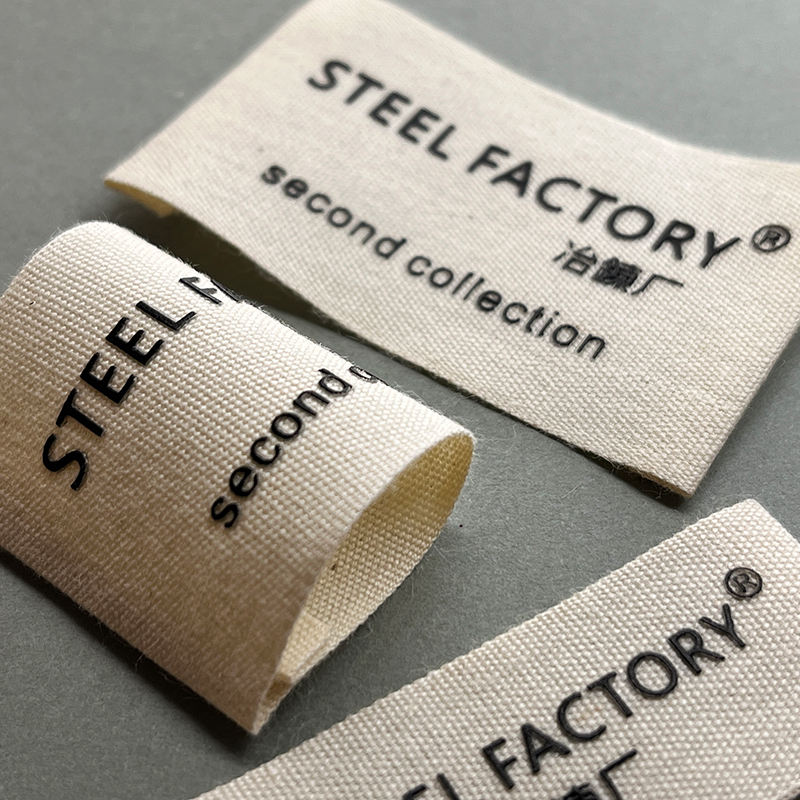
For brands developing their own clothing identity, custom woven labels for garments are commonly used for neck labels, main labels, size labels, and other sewn-in branding applications.
Main Types of Garment Accessories Offered by Chinese Manufacturers
China's garment accessories supply chain covers a wide range of products, from textile labels to plastic fasteners and printed paper tags. When evaluating a manufacturer, international brands should check whether its product range matches their sourcing requirements.
Homer Trimmings offers several garment accessory categories that support different apparel applications.
Woven Labels for Brand Identification
Woven labels are made by weaving yarns into a label structure to display brand names, logos, symbols, or other information. They are commonly sewn onto clothing such as T-shirts, jackets, dresses, sweaters, uniforms, and accessories.
Depending on the design, woven labels can be produced with different materials, colors, dimensions, and folding styles. Buyers should consider the label's intended position, desired texture, logo complexity, and sewing method when selecting a suitable option.
Homer's custom private garment damask soft woven labels support different materials, including polyester yarn, cotton yarn, satin, and damask. The product page also lists options for label borders, backing, colors, and folding styles.
Heat Transfer Labels for Tagless Branding
Heat transfer labels are applied directly to fabric using a heat press. They are often selected by sportswear, activewear, underwear, and casual apparel brands that prefer a clean finish without a traditional sewn-in neck label.
Compared with woven labels, heat transfer labels can create a flatter appearance on the garment surface. Depending on the material and printing process, they can also reproduce different logo shapes, colors, textures, and raised effects.
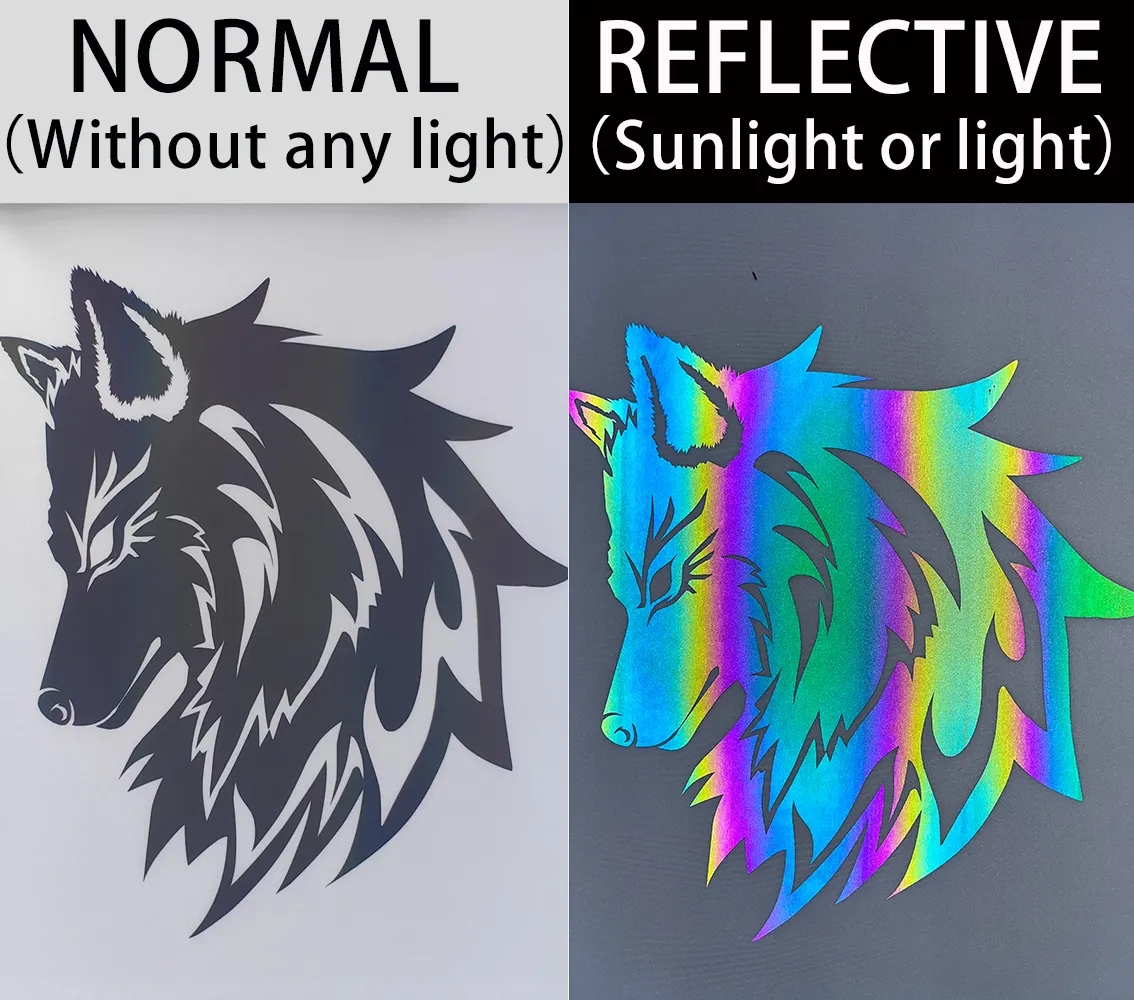
For apparel brands looking for distinctive visual details, custom heat transfer labels can be developed in different designs and effects. Homer also offers reflective heat transfer options for fashion, streetwear, and sportswear applications.
Hang Tags for Retail Branding and Product Information
Hang tags are attached to garments using strings, fasteners, or other connecting components. They usually display brand names, product information, prices, size details, promotional messages, or care instructions.
Paper hang tags remain a common choice for apparel retail because they offer flexibility in shape, printing, paper material, and finishing. Brands can also consider specialty designs such as foil stamping, textured paper, or customized shapes to create a more distinctive presentation.
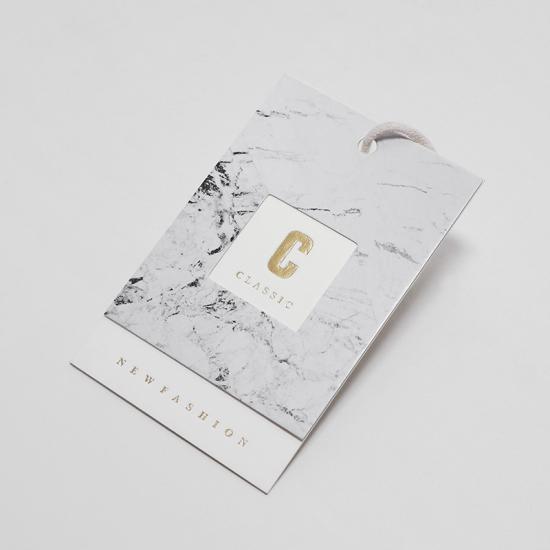
Homer provides custom printed hang tags and paper stickers for brands that need personalized product identification and retail presentation materials.
Drawcords and Ribbons for Garment Function and Decoration
Drawcords are widely used in hoodies, jackets, trousers, sportswear, and other garments that require adjustable openings or waistbands. Ribbons can serve decorative and functional purposes in clothing, bags, packaging, and accessories.
Depending on the application, drawcords can be made in different shapes, materials, sizes, and colors. End treatments are also important. Plastic tips, silicone-dipped ends, and other finishing options can affect both appearance and usability.
Homer's custom drawcords and ribbons include clothing drawstrings, elastic bands, string seals, and customized ribbons for different applications.
Zipper Pullers and Buckles for Functional Garments
Zipper pullers and buckles are functional accessories used in jackets, bags, outdoor apparel, luggage, and other products. They can also provide additional branding opportunities through customized shapes, colors, materials, and logo details.
When selecting these components, buyers should consider the product's intended use, mechanical requirements, dimensions, attachment method, and compatibility with the garment or bag structure.
Homer's zipper pullers and buckles category includes zipper pullers, buckles, cord stoppers, and related accessories for apparel and bag applications.
How to Choose the Right Garment Accessories Manufacturer in China
Not every supplier offers the same product capabilities or customization services. A manufacturer suitable for basic clothing labels may not necessarily be the right choice for complex heat transfer designs or functional garment components.
International buyers should evaluate several factors before selecting a long-term supplier.
Product Range and Relevant Manufacturing Experience
Start by checking whether the supplier has experience with the specific accessory category you need. Review its product range, product photos, material descriptions, and previous product examples.
If your brand needs woven labels, heat transfer logos, hang tags, and drawcords for one collection, working with a supplier that covers multiple categories may simplify communication and sourcing coordination.
However, a broad product range should not replace product-specific evaluation. Ask for details about the actual product model, production process, and customization options relevant to your order.
Customization and OEM or ODM Support
Custom garment accessories usually require more than adding a logo to a standard product. Buyers may need to specify dimensions, colors, materials, surface effects, backing types, folding methods, and application requirements.
Before placing an order, confirm whether the supplier can work with your original artwork and provide design adjustments where necessary. For more complex projects, request a sample or visual proof to check whether the proposed design can be achieved with the selected production method.
Homer Trimmings describes its services as including product research and development, production, technical support, and tailored design. Its company profile also highlights support from concept and design through production and delivery.
Material Specifications and Compliance Information
Material selection is particularly important for products that come into direct contact with skin or are attached to garments requiring repeated washing. Buyers should request specific material information rather than relying on general descriptions such as eco-friendly or premium quality.
For woven labels, confirm the yarn or fabric material. For heat transfer labels, check the film or transfer material and its compatibility with the garment fabric. For drawcords, review the cord material, construction, and end finishing.
If your target market or product category requires particular chemical, textile, or product safety standards, communicate those requirements before production. Ask the supplier to identify which materials or product models have relevant test reports or certifications. Do not assume that one certificate automatically covers every product in a supplier's range.
Sampling and Production Consistency
Samples help buyers check whether the final accessory matches the approved design. This is particularly important for woven labels, printed tags, and heat transfer logos, where small differences in color, size, or detail can affect brand presentation.
Before approving a sample, check:
- Logo accuracy, spelling, and artwork proportions.
- Color matching against the approved reference.
- Material texture, thickness, and overall appearance.
- Dimensions, folding methods, and edge finishing.
- Adhesion, washing performance, or other relevant functional requirements.
- Compatibility with the actual garment fabric and application process.
After sample approval, keep a reference sample and final artwork file. These records can help the supplier maintain consistency during repeat orders.
MOQ, Pricing, and Delivery Arrangements
Minimum order quantity varies according to the product type, materials, printing method, customization complexity, and production process. A woven label and a molded zipper puller may have very different production requirements.
When comparing quotations, provide the same specifications and quantities to each supplier. Ask whether the quotation includes sample costs, tooling or setup charges where applicable, individual packaging, and shipping arrangements.
Delivery schedules should also be confirmed for each product category. If your garment collection requires several accessory types, coordinate their production timelines to reduce the risk of delayed assembly or shipment.
Garment Accessories for Different Apparel Categories
The best accessory combination depends on the garment's design, target customer, retail positioning, and functional requirements. International brands should consider the complete product experience when selecting accessories.
Sportswear and Activewear
Sportswear brands often need lightweight and comfortable branding solutions. Heat transfer labels can provide a tagless appearance, while reflective transfers may add a distinctive visual element to selected designs. Drawcords and elastic components can support garment adjustment and fit.
For these applications, buyers should check fabric compatibility, wash durability, stretch performance, and the intended placement of each accessory.
Casualwear and Streetwear
Casualwear and streetwear collections often use woven labels, printed hang tags, silicone patches, and customized zipper pullers to reinforce brand identity. These accessories can help distinguish a collection through logo presentation, texture, color, and finishing details.
Brands should ensure that the accessory style is consistent with the overall garment design and does not interfere with comfort or usability.
Premium Fashion and Lifestyle Apparel
Premium clothing collections may place greater emphasis on material appearance, fine detailing, and coordinated branding. Damask woven labels, custom paper hang tags, specialty ribbons, and carefully selected finishing details can contribute to a more polished product presentation.
For these projects, sample approval is especially useful because the actual material texture and finishing effect may look different from a digital design preview.
Outdoor Apparel and Functional Clothing
Outdoor and functional garments may require drawcords, cord stoppers, buckles, zipper pullers, and labels that suit the product's intended conditions. Buyers should pay attention to component strength, attachment methods, material suitability, and ease of use.
Functional requirements should be confirmed with the supplier using the actual garment design and application conditions, rather than relying only on product appearance.
Why International Brands Work with Homer Trimmings
Homer Trimmings is a China-based supplier of garment accessories and printing products. The company, Xiamen Homer Trimmings Co., Ltd., was established in Xiamen and focuses on product research and development, production, technical support, and customized services.
Its product range includes printed labels, heat transfer labels, woven labels, hang tags, stickers, paper bags, paper boxes, drawcords, ribbons, zipper pullers, buckles, and other customized products.
This range is relevant to international apparel brands that need to source different types of branding and functional accessories for their clothing collections.
Homer also describes a tailored design service based on customers' original concepts. Its service approach covers product design, production, delivery coordination, and after-sales support.
For buyers, this means they can discuss different accessory requirements with one supplier and evaluate suitable options according to their garment designs, target markets, and order plans.
Rather than selecting accessories based only on catalog images, brands can share their artwork, material preferences, dimensions, and intended applications to clarify product feasibility before confirming an order.
To understand the company's background, product development focus, and service approach, visit Homer Trimmings' company profile.
What Should You Include in a Garment Accessories Inquiry?
A clear inquiry helps a manufacturer understand your requirements and prepare a more relevant quotation. Before contacting a China garment accessories supplier, organize the following information:
- Product category: Specify whether you need woven labels, heat transfer labels, hang tags, drawcords, ribbons, zipper pullers, or other accessories.
- Application: Explain the garment type and where the accessory will be attached or used.
- Material requirements: Provide preferred materials or any mandatory market-specific requirements.
- Dimensions: Share the required length, width, thickness, or other relevant measurements.
- Artwork and branding: Provide logo files, text, color references, and design examples.
- Production quantity: Indicate the estimated order quantity and whether repeat orders are expected.
- Sample requirements: Explain whether you need a physical sample or design confirmation before production.
- Delivery information: Provide the destination country and expected delivery schedule.
If you are developing several accessory types for the same clothing collection, it is useful to provide a product list and timeline. This allows the supplier to review the requirements together and coordinate the different items more efficiently.
Build a More Consistent Apparel Brand with the Right Accessories Partner
Choosing a China garment accessories manufacturer is not simply about finding a supplier with competitive prices. International brands should evaluate product capabilities, customization options, material transparency, sampling procedures, quality control, and communication before starting a cooperation.
Woven labels, heat transfer labels, hang tags, drawcords, ribbons, zipper pullers, and buckles all serve different purposes. Selecting the right combination can improve garment identification, functionality, and retail presentation while keeping the overall brand image consistent.
Homer Trimmings provides a range of garment accessories and customized printing products for international customers. Whether you are sourcing clothing labels for a new fashion collection, developing customized hang tags, or looking for functional garment components, the team can discuss product options according to your requirements.
Share your product specifications, artwork, estimated quantity, and application details with Homer Trimmings to explore suitable garment accessory solutions for your brand.
Frequently Asked Questions About China Garment Accessories Manufacturers
What products does a garment accessories manufacturer in China usually provide?
A garment accessories manufacturer may provide woven labels, printed labels, wash care labels, heat transfer labels, hang tags, stickers, patches, drawcords, ribbons, elastic bands, zipper pullers, buckles, and other apparel components. The available range depends on the supplier's production capabilities and product specialization.
What is the difference between woven labels and heat transfer labels?
Woven labels are produced by weaving yarns into a label structure and are generally sewn onto garments. Heat transfer labels are applied directly to fabric using heat and pressure, creating a tagless branding option. The suitable choice depends on garment fabric, design requirements, comfort preferences, and application conditions.
Can I customize garment accessories with my own brand logo?
Yes. Many garment accessories can be customized with brand logos, colors, dimensions, patterns, and other design details. Available options depend on the product and manufacturing process. Buyers should provide artwork and confirm the customization method with the supplier before production.
How do I choose the right clothing label for my brand?
Consider the garment type, label position, material, logo complexity, washing requirements, and desired appearance. Woven labels are suitable for sewn-in brand identification, while heat transfer labels are often selected for tagless applications such as sportswear and activewear.
What should international buyers check before ordering garment accessories from China?
Buyers should confirm product specifications, materials, customization capabilities, MOQ, sample arrangements, production lead time, quality inspection requirements, packaging, and shipping terms. Any market-specific testing or compliance requirements should be communicated before production.
Can one supplier provide different types of garment accessories?
Some suppliers offer multiple accessory categories, allowing buyers to coordinate labels, hang tags, ribbons, drawcords, and other components through one supplier. Homer Trimmings provides several of these product categories, with customization options depending on the selected product.
Why should I request a sample before bulk production?
A sample allows buyers to check material appearance, dimensions, logo accuracy, colors, finishing, and application suitability before confirming a larger order. An approved sample can also serve as a reference for quality consistency during repeat production.
What information is needed to get a quotation for custom garment accessories?
Prepare the product type, material preferences, dimensions, artwork, colors, estimated quantity, garment application, sample requirements, and delivery destination. Providing these details helps the supplier evaluate the project and prepare a more accurate quotation.