Tyvek ——A Great Innovation in Backpack Materials

Tyvek, commonly referred to as DuPont paper, is a unique and innovative material known for its incredible durability, lightweight properties, and eco-friendliness. Created from high-density polyethylene fibers, Tyvek offers a combination of strength and flexibility, making it resistant to water, tear, and puncture. This material is widely used across various industries due to its protective nature and sustainable attributes. Not only is Tyvek 100% recyclable, but its production also requires less energy compared to traditional materials, contributing to its appeal for environmentally conscious consumers

In the world of fashion and accessories, Tyvek has become a popular choice for designers and manufacturers looking to create lightweight yet durable products. Its paper-like texture offers a modern aesthetic while being robust enough to withstand daily wear and tear. Whether for packaging, construction, or clothing, Tyvek is valued for its versatility and minimal environmental impact.

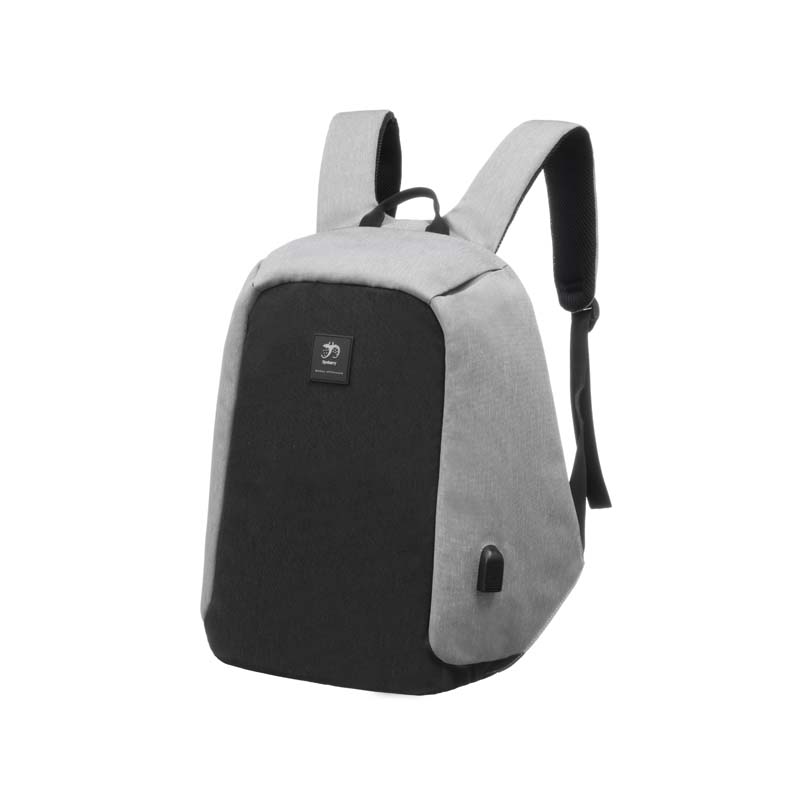
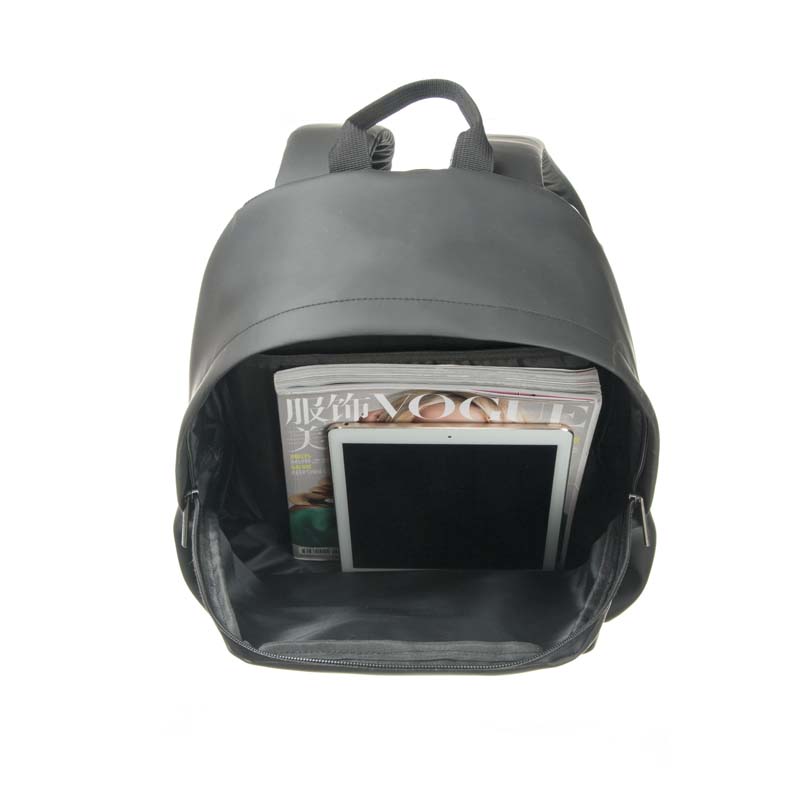
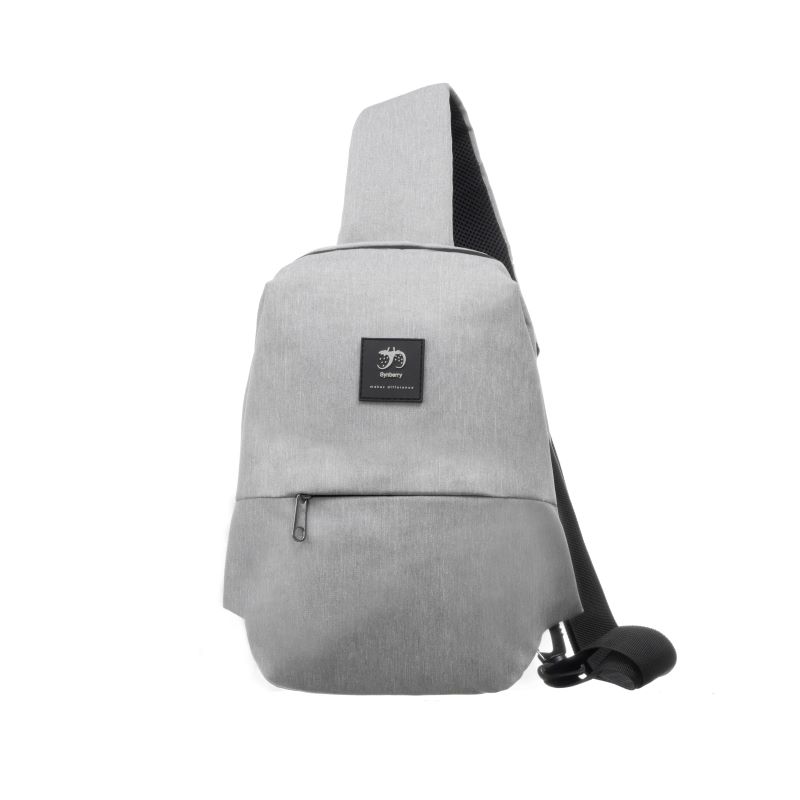
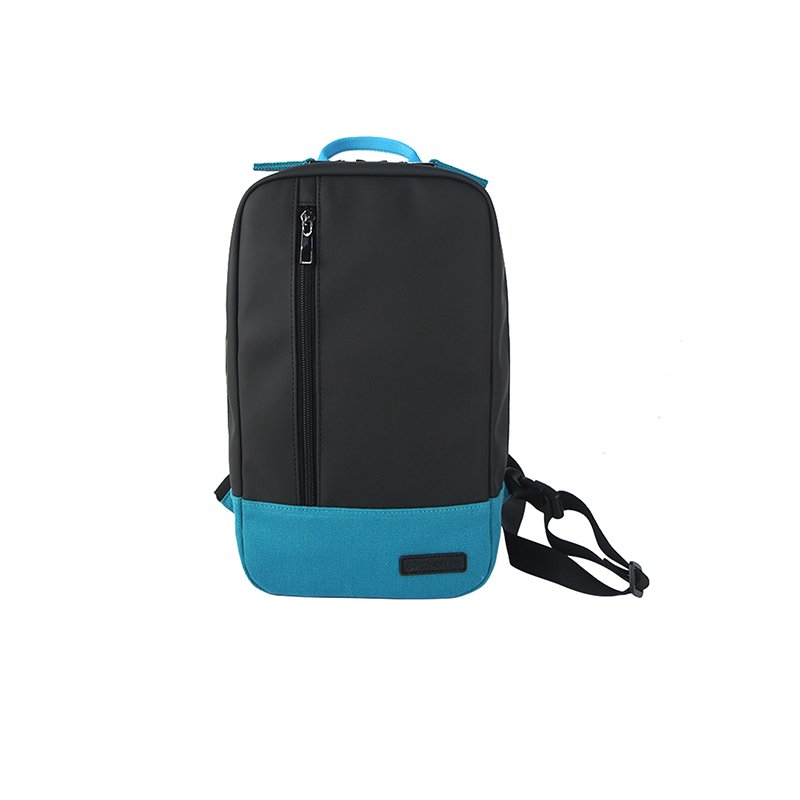
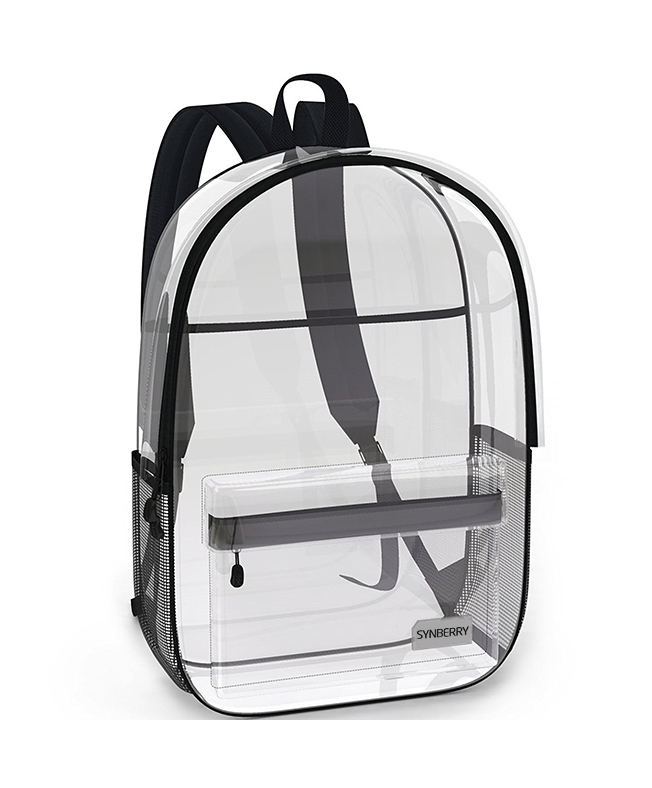
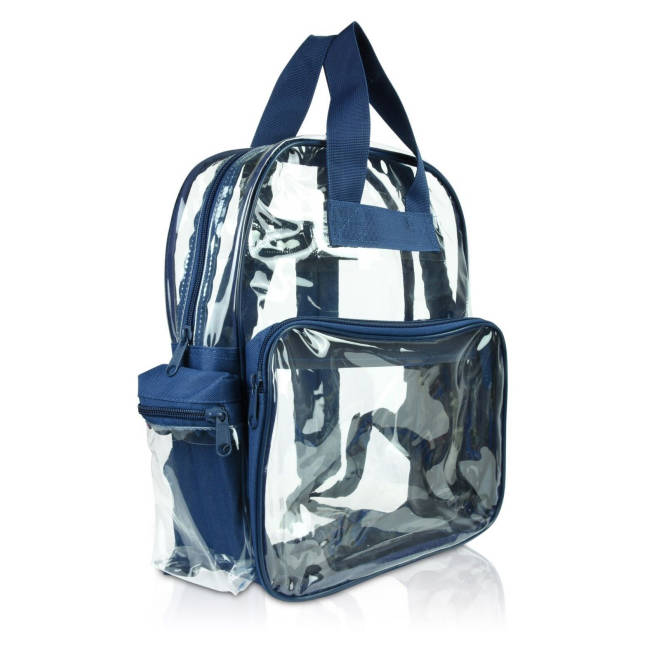
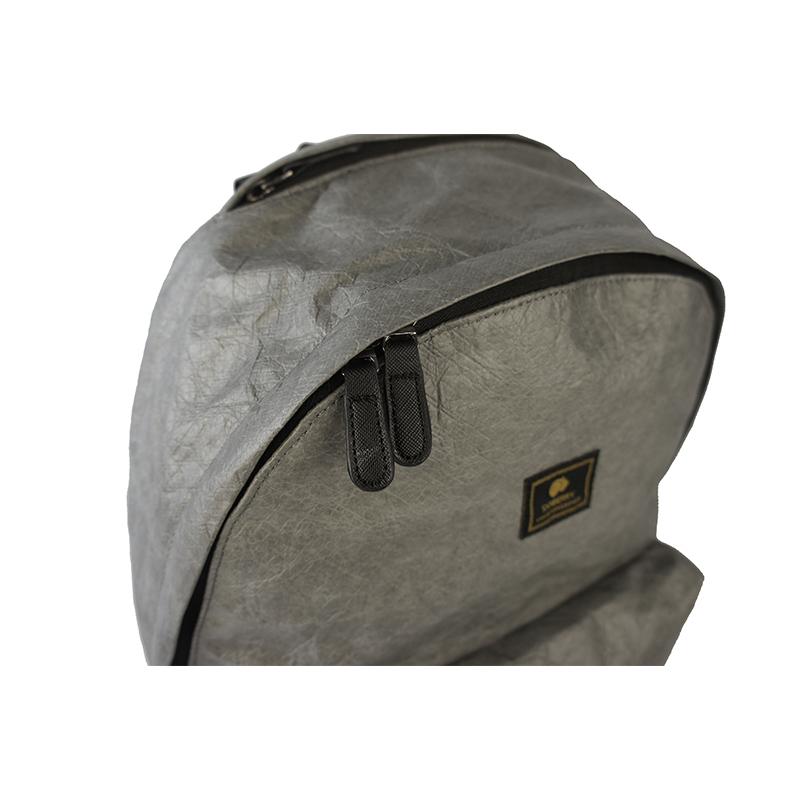
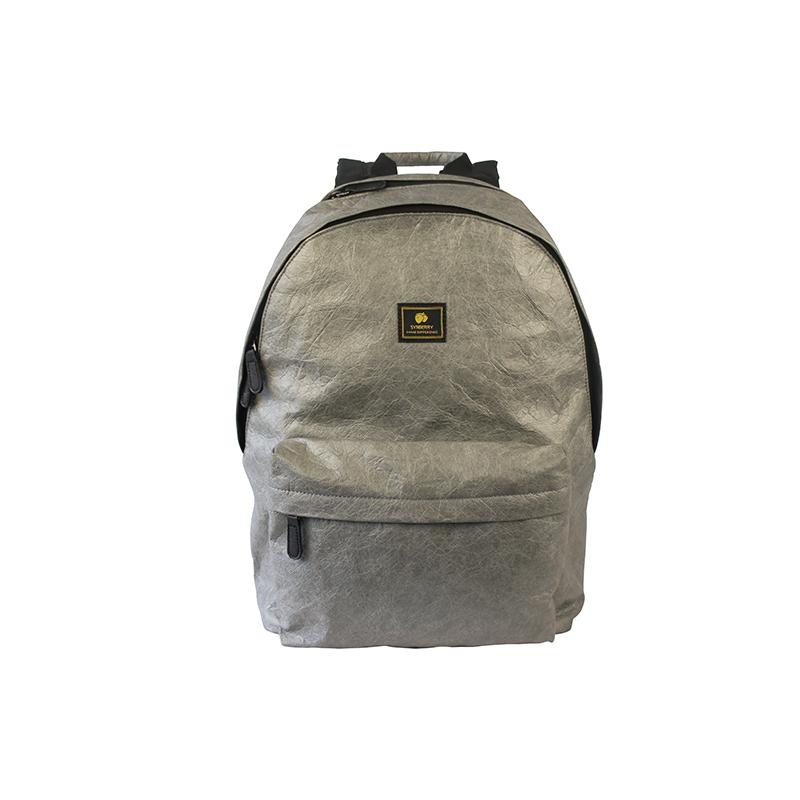
At our company, we’ve harnessed the power of Tyvek in our latest backpack design. This waterproof lightweight backpack made from Tyvek offers superior comfort, weighing significantly less than traditional materials without compromising on strength. Ideal for both everyday use and travel, this Tyvek backpack features a modern, sleek design and provides ample storage space. Its water-resistant properties make it perfect for all weather conditions, ensuring your belongings are always protected. By incorporating Tyvek into our product lineup, we aim to offer stylish, durable, and eco-friendly options for our customers.

 Tyvek Backpack  Tyvek Backpack

What are the cons of Tyvek

What are the cons of tyvek?Previously, we discussed the advantages of Tyvek. Now let's talk about some of the material's disadvantages.


The feel of wrinkles: You must be familiar with this sensation. Tyvek has a texture that feels like crumpled paper. If you want to know what this material feels like, just take a piece of A4 paper, crumple it up, and then smooth it out on your desk. Yes, it's that unique feeling. Of course, for some people, this may not be a disadvantage at all. What do you think?

Expensive price: Why is DuPont paper so expensive? This is probably a question that many people care about. As mentioned earlier, it is a great invention, and DuPont paper is a product with many unique features, combining the advantages of many other materials. I believe this is why it is more expensive than other traditional materials such as nylon or PU leather. Its high production cost and unique manufacturing process are also one of the factors contributing to its high price.


Service life: Unfortunately, I think this is the biggest disadvantage of Tyvek Backpack products. As a company dedicated to providing customers with satisfactory services, we must admit that the service life of Tyvek Backpack is not as long as products made from other traditional materials(such as webbing, PU Glitte, Nylon ). According to professional testing in our laboratory, the service life of this material is about 4-5 years, although this can also meet the life expectancy requirements of most people for backpacks.

 Tyvek Backpack  Tyvek Backpack

Which material is best for laptop bags?

For most people, a computer is much more expensive than a computer bag, and it contains a lot of data that we use daily, which may even exceed the value of the computer itself. Therefore, a suitable computer backpack is of utmost importance.

Regarding the materials for computer backpacks, the first thing that comes to mind is waterproof performance. The following are some materials suitable for computer backpacks. Of course, they are all waterproof.

Nylon Backpack: Lightweight, water-resistant, and durable. Ideal for daily use and travel.

Nylon

Polyester Backpack: Affordable and resistant to wear and tear, but less durable than nylon.

PU Leather Backpack: A synthetic material made from polyurethane, resembling real leather, durable, waterproof, and easy to clean.

Waterproof PU leather

Canvas Backpack: Rugged and durable, offering a casual look with decent water resistance if treated.

Canvas

Neoprene Backpack: Soft, stretchy, and water-resistant, providing cushioning and protection.

Tyvek Backpack: Lightweight, tear-resistant, and eco-friendly, suitable for those seeking sustainability.

Tyvek

  So, which material do you favor?

Introducing Green Cylinder Round PET Plastic Bottles Flush Cap Plastic Bottles with Screw Cap


CNPAX Packaging is delighted to introduce our latest addition to our diverse packaging range - Green Cylinder Round PET Plastic Bottles with Flush Cap and Screw Cap. These high-quality bottles combine functionality, durability, and an eco-friendly design, making them the perfect choice for a wide range of products.


Our Green Cylinder Round PET Plastic Bottles are available in various volume options, including 70ml, 100ml, 120ml, 150ml, and 180ml. This versatility allows you to find the ideal size to accommodate your product's requirements. Whether you're packaging cosmetics, personal care items, health supplements, or any other liquid-based products, these bottles offer a reliable and attractive solution.


Key Features and Benefits:

1. Eco-Friendly Design: The bottles are made from PET (Polyethylene Terephthalate), a recyclable plastic material that minimizes environmental impact. By choosing these bottles, you're actively contributing to sustainability and responsible packaging practices.


2. Flush Cap and Screw Cap: The Green Cylinder Round PET Plastic Bottles come with both a flush cap and a screw cap option. The flush cap provides a sleek and seamless appearance, while the screw cap offers secure and convenient closure. This versatility ensures compatibility with different product types and user preferences.


3. Excellent Clarity: The transparent PET material showcases the contents of the bottle, allowing your customers to clearly see the product within. This feature is particularly beneficial for showcasing the vibrant colors or appealing textures of your product.


4. Leak-Proof and Easy-to-Use: The bottles feature a reliable sealing mechanism that prevents leaks and spills, ensuring product integrity and customer satisfaction. The lightweight design and ergonomic shape make them easy to handle and dispense.


5. Customizable Options: At CNPAX Packaging, we understand the importance of brand identity. Therefore, we offer customization options for these bottles, including label placement, color choices, and logo printing. Tailor the packaging to reflect your unique brand image and enhance product recognition.


Our Green Cylinder Round PET Plastic Bottles with Flush Cap and Screw Cap are designed to meet the highest industry standards, providing you with superior packaging solutions that inspire confidence in your customers. With these bottles, you can showcase your products with style while maintaining optimal functionality and sustainability.


To explore the possibilities with our Green Cylinder Round PET Plastic Bottles, and to learn more about our complete range of packaging options, visit our website at www.cangnuopack.com. Experience excellence in packaging and let CNPAX Packaging be your trusted partner in meeting your packaging and formulation needs.


For further inquiries and assistance, please contact our sales team at [sales email] or call [sales phone number]. We look forward to serving you and assisting you in finding the perfect packaging solutions for your products.


What’s the Difference Between Pure Cotton and 100% Cotton Fabrics?

As a textile manufacturer with over 15 years of experience in producing high-quality fabrics, including uniform fabrics, workwear fabrics, camouflage fabrics, and pocket fabrics, we understand the importance of choosing the right material for your specific needs. Two terms that are often encountered in the textile industry are “Pure Cotton” and “100% Cotton Fabrics.” While these terms are sometimes used interchangeably, they have distinct meanings and implications in terms of fabric composition and performance. Let's dive deeper into the key differences from a professional textile perspective.


1. 100% Cotton Fabrics: The Purest Form of Cotton

When a fabric is labeled “100% Cotton,” it means that the fabric is made entirely from cotton fibers without the addition of any synthetic materials or other types of natural fibers. 100% Cotton Fabrics are the most natural form of cotton textiles and are highly valued for their breathability, softness, and comfort.


Key Features of 100% Cotton Fabrics:

Natural Composition: 100% Cotton Fabrics are made from cotton plants, providing all the inherent benefits of cotton, including excellent moisture absorption, breathability, and natural softness.

Softness and Comfort: One of the primary reasons 100% Cotton Fabrics are preferred for garments like t-shirts, shirts, and bedding is their gentle feel against the skin. These fabrics are naturally soft and comfortable for daily wear.

Eco-Friendly: As a natural fiber, cotton is biodegradable and renewable, making 100% Cotton Fabrics a more sustainable and environmentally friendly option compared to synthetic fibers.

Durability: While cotton is known for its softness, 100% Cotton Fabrics are also durable, especially when tightly woven. However, one consideration is that they may wrinkle more easily compared to fabrics with synthetic blends.


2. Pure Cotton Fabrics: A Broader Term

The term “Pure Cotton Fabrics” generally refers to fabrics that are predominantly made from cotton but may contain small amounts of other fibers, such as polyester or elastane, to enhance specific properties like elasticity or strength. Unlike 100% Cotton Fabrics, Pure Cotton Fabrics can be a blend, meaning they may not be entirely composed of cotton fibers.


Key Features of Pure Cotton Fabrics:

Mostly Cotton Content: Pure Cotton Fabrics are typically made from cotton fibers as the primary material, but they may contain a small percentage of other fibers, such as synthetic fibers, to improve performance. This small addition can make the fabric more versatile for specific applications.

Enhanced Performance: The blending of cotton with other fibers, such as polyester, can enhance the fabric’s durability, wrinkle resistance, or moisture-wicking properties. This makes Pure Cotton Fabrics ideal for items like uniforms, workwear, and activewear, where added strength or flexibility is needed.

Softness with Added Durability: While Pure Cotton Fabrics retain much of the natural softness of cotton, the addition of other fibers can also provide benefits like increased stretch or less frequent ironing.


The distinction between 100% Cotton Fabrics and Pure Cotton Fabrics is important for manufacturers and consumers alike. 100% Cotton Fabrics are entirely made from cotton and are prized for their comfort, softness, and eco-friendliness. On the other hand, Pure Cotton Fabrics may contain a small percentage of other fibers to enhance specific properties like durability, elasticity, or wrinkle resistance, making them suitable for a broader range of functional applications.


At BSCAM, we specialize in high-quality 100% cotton fabrics and Pure Cotton Fabrics for a variety of industries. Whether you need soft, breathable cotton fabrics for clothing or more durable, performance-enhanced fabrics for uniforms and workwear, we offer the right solutions to meet your needs.


High-quality camouflage fabrics the perfect blend of function and fashion

We have been committed to providing high-quality textiles to customers around the world. After 15 years of development, we have established an excellent professional level in the field of camouflage fabrics and have become a trusted partner in many industries. Our camouflage fabrics not only have excellent practicality, but also meet modern fashion needs and are suitable for a variety of occasions.
 
Our camouflage fabrics are widely used in many industries, including: Military and defense: In combat and training environments, camouflage fabrics can effectively provide concealment and ensure the safety of personnel. Outdoor activities: Whether hunting, fishing or hiking, our camouflage fabrics can provide good protection and comfort. Work clothes and uniforms: Work clothes suitable for heavy and light industries enable employees to maintain a professional image while enjoying a comfortable wearing experience when working.
 
Features of high-quality camouflage fabrics Abrasion resistance: Our camouflage fabrics are specially treated with excellent abrasion resistance and can withstand harsh use environments. Breathability: Designed with attention to breathability to ensure comfort in various weather conditions. Diverse designs: A variety of colors and patterns are available, and customers can customize them according to their needs to meet different market demands.
 
A reliable choice for the global market
Our camouflage fabrics are not only popular in the Middle East, Europe and Asia markets, but also have won the trust of customers with excellent quality and service. We are committed to establishing long-term cooperative relationships with our customers and providing full support from design to production.
 
Choose xmbscam high-quality camouflage fabrics, you will get textiles that are not only functional but also in line with fashion trends. No matter which industry you come from, we can provide you with tailor-made solutions. Welcome to contact us to discuss how to apply our camouflage fabrics to your project and achieve a win-win cooperation!
 
 
high quality camouflage fabrics


Aerosol Cans Versatile Applications You Need to Know

Aerosol cans have become an integral part of our daily lives and various industries due to their unique design and functionality. 

In this blog, we'll explore the diverse applications of empty aerosol cans.

In the Cosmetic and Personal Care Industry

Haircare Products

Hairsprays are one of the most common aerosol - based products.  They provide hold and volume to the hair.  The aerosol formulation allows for an even distribution of the product.  With a simple press of the nozzle, a fine mist of hairspray coats the hair strands, helping to keep the hairstyle in place throughout the day.  Styling mousses also come in aerosol cans.  These are great for adding texture and definition to the hair, making it easier to create different styles like curls or waves.

Skincare Products

Facial mists are popular among skincare enthusiasts.  Aerosol - delivered facial mists can provide instant hydration.  Ingredients such as hyaluronic acid, aloe vera, and various plant extracts are encapsulated in the mist.  When sprayed onto the face, it forms a light, refreshing layer that soothes and moisturizes the skin.  This application method ensures that the active ingredients are evenly spread across the face for maximum efficacy.

Deodorants and Antiperspirants

Aerosol deodorants and antiperspirants are widely used.  The spray mechanism allows for quick and easy application under the arms.  The formulation in the aerosol tin can contains substances that help control body odor and reduce sweating.  The fine spray covers a large area, providing long - lasting protection.

deodorant spray can

In the Household Cleaning Sector

Surface Cleaners

Aerosol surface cleaners are highly efficient.  They can be used on a variety of surfaces such as countertops, tables, and windows.  The pressurized system in the aerosol can enables the cleaner to be sprayed in a targeted manner.  The force of the spray helps to dislodge dirt and grime, making it easier to wipe away.  Different types of surface cleaners are available, including those for general cleaning and specialized ones for specific materials like wood or stainless steel.

Air Fresheners

Air freshener aerosol cans are essential for maintaining a pleasant indoor environment.  They come in a wide range of scents, from floral and fruity to fresh and clean.  The aerosol design allows the fragrance to be dispersed evenly throughout the room.  A quick spray can eliminate unpleasant odors and create a more inviting atmosphere in homes, offices, and public spaces.

Oven and Grill Cleaners

Cleaning ovens and grills can be a tough task, but aerosol oven and grill cleaners make it easier.  The strong cleaning agents in these aerosol cans are able to break down grease and food residues that accumulate over time.  The spray nozzle can be directed into hard - to - reach corners and crevices of the oven or grill, ensuring thorough cleaning.

In the Industrial and Automotive Fields

Paints and Coatings

Aerosol paint cans are widely used in DIY projects and small - scale industrial applications.  They are convenient for painting small objects, touch - ups, or creating decorative finishes.  The spray nozzle on the aerosol can be adjusted to control the paint flow and spray pattern, resulting in a smooth and even coat.  Industrial coatings in aerosol form are also used for protecting metal surfaces from corrosion.

aerosol cans aerosol cans

Lubricants

Aerosol lubricants are invaluable in the automotive and mechanical industries.  They can be easily sprayed onto hinges, gears, and other moving parts.  The aerosol formulation allows the lubricant to reach tight spaces and provide smooth operation.  This helps to reduce friction and wear, extending the life of the equipment.

aerosol cans aerosol can components

Adhesives

Aerosol adhesives are used in various applications.  In the packaging industry, they can be used to bond cardboard or paper.  In construction and DIY projects, aerosol adhesives can be used for quick and temporary fixes.  The spray - on adhesive provides a uniform layer, ensuring a strong bond between the surfaces.

Corrosion protection for aerosol tin can

Aerosol products, because of their ease of use and wide range of applications, are increasingly entering various industries and people's daily lives. Aerosol products are divided into tinplate cans, aluminum cans and plastic cans according to their packaging, among which tinplate cans are the most widely used and the phenomenon of corrosion inside the cans is also the most common. 

aerosol tinplate cans

Every year due to corrosion caused by the leakage of aerosol products through the cans of the phenomenon occurred from time to time, the loss is huge, because of the complexity of the cause, the empty can manufacturers, filling manufacturers, businesses, users can not clearly define the responsibility, often can not be concluded, each assessed part of the loss of the matter, in fact, the corrosion of the aerosol can be prevented through the standardization of formulations, processes, and do a good job of stability testing.

1. Types of corrosion

(1) Even corrosion

Such as alkaline detergent and no internal coating of tinplate cans inside the tin-plated layer in contact with the complete de-tinning terminated.

(2) Pit corrosion and perforation

Localized dissolution of the metal leads to perforation.

(3) Fracture corrosion

Top, bottom cover and can body connection, easy to form a stagnant area, the contents of the existence of electrolyte concentration effect, easy to cause crevice corrosion. 

(4) Electro-coupling corrosion 

Can body of copper welding weld, due to the destruction of the tin layer, copper and iron electrode potential difference, in the presence of electrolyte, contact and produce galvanic coupling corrosion, although the weld has a complementary protective layer, but the electrolyte can arrive at the surface of the metal layer through the protective layer, the formation of corrosion batteries, resulting in corrosion.

(5) Stress corrosion

Forming deformation of the stress exacerbates the distortion, causing corrosion at the cracks, such as aluminum cans.

(6) Sub-membrane corrosion

Under the organic film or in the surface treatment film under the metal surface of the horizontal direction of the expansion of corrosion.

Formulator in doing product stability testing, less concerned about the above classification, generally according to the gas-phase corrosion, liquid-phase corrosion, gas-liquid interface corrosion to describe, and according to these three phenomena to select the appropriate corrosion inhibitor, adjust the formula.

2. from the formulation design to prevent corrosion of aerosol products

(1) tinplate cans for oil-based (solvent-based) aerosol products

General pure solvent-based formulations, no need to add corrosion inhibitors, corrosion will rarely occur, but there are exceptions, if the oil-based LPG pesticide batch leakage may be the cause of kerosene or LPG raw materials mixed with a trace amount of water, filling into the product, moisture to make some insecticidal active ingredient hydrolysis or kerosene impurity reaction, the precipitation of acid substances leading to corrosion of the can.

Solution:

Measure the moisture content of the raw material, ensure that the moisture content is less than 100ppm.

Add some water-soluble solvents, such as isopropyl alcohol, ethanol, etc. to disperse the trace water in the oily solvents and LPG, to prevent gathering and settling at the bottom.

 (2) Alcohol-based aerosol products in tinplate cans

Early air freshener formulations consisted mainly of flavors, anhydrous ethanol or isopropanol, LPG or DME. General. There is no need to add corrosion inhibitors to these products, and if 95% ethanol is used, 0.1% sodium benzoate can be added.

(3) Water-based aerosol products for tinplate cans

For tinplate cans without internal coating, general water-based products, the best PH control in 7.0 ~ 9.0, according to the functional requirements of the product, choose to add 0.1-0.2% of the gas-phase and liquid-phase corrosion inhibitors, such as sodium benzoate, sodium nitrite, triethanolamine, ammonia, phosphoric acid dihydrogen amine, morpholine and so on. The use and dosage of sodium nitrite should be carefully selected, as it may be counterproductive if there are ingredients in the formulation that oxidize sodium nitrite to sodium nitrate.

For tinplate cans with internal coating, the product PH should be controlled above 5.5, but not to use DME as the ejection agent, because DME will dissolve the internal coating, causing it to flake off and not play a protective role, and the flaking of the internal coating may clog the suction tube, resulting in the product can not be sprayed.

When the PH of water-based products>10 or even PH 12 or above, strong alkali will make its tinplate cans without internal coating of the internal tin layer dissolved, the cans show a grayish-black, we call it passivation layer, this phenomenon is called de-tinning, is when the tin is dissolved, exposing a dark gray film. This phenomenon is called de-tinning, is when the tin dissolution, exposing a dark gray film of tin-iron alloy FeSn2, and strong alkali further reaction iron passivation into black, to prevent further corrosion. When a passivation layer exists, the product rarely corrodes through the can.


Selection of high-quality qualified aerosol cans, aerosol valves is an important factor in preventing product corrosion, because the regular manufacturers of tinplate cans selected by the raw materials are more compliant, the process of making cans will be more stringent control of stamping, slicing, internal coating, can body welding, two volume sealing and other process quality, the production of tinplate cans in terms of pressure resistance, airtightness and corrosion resistance will be more secure.In mgaerosolcan, we offer high quality aerosol tin cans. Tell us what you need and we are at your service!


Future Trends In Aerosol Cans The Convergence Of Sustainability And Intelligence

Aerosol cans, as a convenient form of packaging, are widely used in a variety of fields such as personal care, household cleaning, food and so on. With consumers increasingly concerned about environmental protection and convenience, the aerosol can industry is facing unprecedented opportunities for growth. This article explores future trends in the aerosol can industry, particularly in terms of sustainability, intelligence, and technological innovation.

empty aerosol can

-Sustainability: environmentally friendly materials and design

As the world becomes more aware of environmental protection, the aerosol can industry is progressively adopting more environmentally friendly materials and designs. Aluminum aerosol cans are preferred for environmentally friendly packaging due to their 100% recyclability. Manufacturers are working to increase the use of recycled aluminum and reduce the need for raw material extraction, thereby reducing energy use and greenhouse gas emissions. In addition, the application of lightweighting technology is also playing an important role in reducing material use and carbon emissions.

-Intelligent: integrating sensor and IoT technologies

Another notable trend in the aerosol can industry is intelligence. By integrating sensors and wireless communication technologies, smart aerosol tin cans are able to monitor the remaining amount, remind replacement, and integrate with smart home systems to provide a more convenient user experience. This intelligence not only enhances the user experience, but also helps in the effective management of resources.

-Market expansion: growth in emerging markets

Adoption of aerosol cans is on the rise as consumers in emerging markets continue to demand convenience and sustainability. Countries in Asia, Latin America and Africa are experiencing increased urbanization and the rise of the middle class, leading to increased consumption of personal care, household and pharmaceutical products. Aluminum aerosol cans are seen as a premium packaging option with durability, portability and environmental benefits that appeal to consumers in these regions.

-Environmental regulations: promoting green development of the industry

Increasingly stringent environmental regulations are placing higher demands on the aerosol can industry. Enterprises need to continue to develop environmentally friendly materials and processes to reduce the impact of products on the environment. At the same time, the government also through the development of relevant policies and standards to promote the green and sustainable development of the aerosol can industry.

-Conclusion

Future trends in the aerosol can industry suggest that sustainability, intelligence and technological innovation will be key drivers of industry growth. As consumer demand for environmentally friendly and convenient products continues to grow, the aerosol can industry must adapt to these changes to remain competitive in the market. By adopting environmentally friendly materials, smart technologies and continuous technological innovation, the aerosol can industry is expected to achieve sustainable growth while meeting consumer needs and expectations.


How to choose the appropriate valve for aerosol?

There are currently over 200 types of aerosol products used in personal, household, industrial, agricultural, construction, fire protection, safety, medical and other fields.

The aerosol valve may not seem eye-catching, but it is of utmost importance compared to the entire aerosol product. It not only affects the sealing performance of the product, but also the spraying effect, and of course, the stability of the entire aerosol product. Therefore, how to choose the appropriate valve is worth everyone's attention in the development process of aerosol products.

If we look at the types of valves, aerosols are mainly divided into two categories: one-component packaging and two-component packaging (BOV system). The main structure of one yuan aerosol includes: aerosol can body, aerosol valve, outer cover, actuator, propellant, and raw materials. The main results of binary aerosols include: aerosol can body, aerosol spray valve, extra layer of aluminum bag, outer cover, actuator, raw materials, and compressed gas.

Valves usually consist of seven parts: sealing cup, outer gasket, inner gasket, valve stem, spring, valve chamber, suction tube, etc. Considering different materials, sizes, and structures, theoretically, valves can exhibit billions of different variations.

One inch aerosol valve Bov valve

Therefore, how to choose the appropriate spray valve requires comprehensive consideration of the following factors:

Firstly, is it a one-component valve or a BOV valve?

The compatibility issue needs to be considered when mixing the material and propellant in a one-component aerosol formulation. When both the propellant and the contents are sprayed out simultaneously, it is easy to produce a situation where the propellant has already been sprayed out while the material remains, which affects the consumer experience. Cannot be used 360 degrees, can only be used upright or upside down. Volatile propellants (such as butane or dimethyl ether) have a geometric fold increase in pressure with temperature, and are classified as hazardous materials with strict requirements for transportation and storage conditions.

Without considering cost factors, BOV valves have many advantages, such as:

The contents do not directly come into contact with the aerosol can, providing protection for the raw materials;

Spray out in all directions to adapt to diverse consumption scenarios;

Before filling, the valve bag can be vacuumed or disinfected by cobalt 60 irradiation. The formula can reduce preservatives and allergens;

The pressure inside the tank is constant, the spraying is stable, and the residual material is low;

Using compressed air or nitrogen, the pressure remains almost constant with increasing temperature, and the requirements for transportation and storage are relatively low.

Secondly, the choice of material for the sealing cup?

The thickness of tinplate cups is usually 0.27mm, and the thickness of aluminum cups is usually 0.42mm. The application in the field of personal care products usually uses aluminum cups, which are more stable and less prone to rusting. The size stability of the tinplate cup is better, and it is not easily affected by the aerosol can body or sealing process;

Thirdly, the material of the gasket

Gaskets are usually divided into inner gaskets and outer gaskets, with various materials including butyl, chloroprene, butyl, chlorobutyl, nitrile, chloroprene, polyurethane, and so on. Shrinkage of the gasket will affect the fit between the valve stem and gasket, sometimes leading to leakage. If the gasket expands excessively, the valve stem hole of the gasket cannot be exposed when pressing the nozzle, which will affect the spraying efficiency. After repeated experiments, a mixture of 75% ethanol and 25% isopentane was used for gold testing, and the best choices were chloroprene rubber (NEOPRENE) and butadiene sodium rubber (BUNA), which were relatively stable.

Fourth: Valve stem orifice

Common sizes include 0.35, 0.4, 0.46, 0.51, and 0.61mm, and the number of valve stem holes is one of the determining factors for the ejection rate. There are also different series of valve stem air holes, including 1, 2, 4, 6, and even 8 holes.

Fifth: Valve side hole

The gas phase side hole is located on the valve housing and is located inside after the valve is sealed. It is mainly used to increase atomization effect, increase the stability of content spraying for some powder products, and increase the spraying of high viscosity products. There are both single hole and double hole designs.

Sixth: Dip tube length

At the initial setting, the valve length can be calculated as the total height of the aerosol can minus the set value. Then, through compatibility testing, confirm the degree of shrinkage of the dip tube in the product, and the final valve length should be such that the bottom of the dip tube is at the lower one-third of the half circle at the bottom of the can after soaking and stabilizing.

Considering that dip tube have a 3-6% expansion rate, it is crucial to confirm the length after compatibility testing. Of course, a straw design with oblique cuts can also be slightly helpful.

Paired with appropriate buttons, the selected aerosol valve can convey the characteristics of the aerosol to consumers. As a packaging solution for complex products, compatibility and stability testing are required to design stunning products!

aerosol valve