Why Food Brands Are Choosing Kraft Paper Bags for Packaging in 2026

You see food brands choosing Kraft paper bags in 2026 because you want a future where sustainability leads the way. Certifications and eco-friendly features matter to you as you look for packaging that aligns with both regulatory compliance and consumer values. Innovations from every leading Kraft Paper Bag Manufacturer shape the future of food packaging. You recognize that these choices create a future where your brand stands out and supports a healthier planet.

Choosing eco-certified solutions today ensures a brighter future for your brand and the environment.


Key Takeaways

  • Kraft paper bags are eco-friendly and recyclable, making them a sustainable choice for food packaging.

  • Choosing compostable and biodegradable options helps reduce landfill waste and supports a greener future.

  • Staying compliant with regulations against single-use plastics is crucial for maintaining your brand's reputation.

  • Customization of kraft paper bags enhances brand identity and attracts eco-conscious consumers.

  • Partnering with a reliable kraft paper bag manufacturer ensures a stable supply chain and cost-effective solutions.


Sustainability Benefits
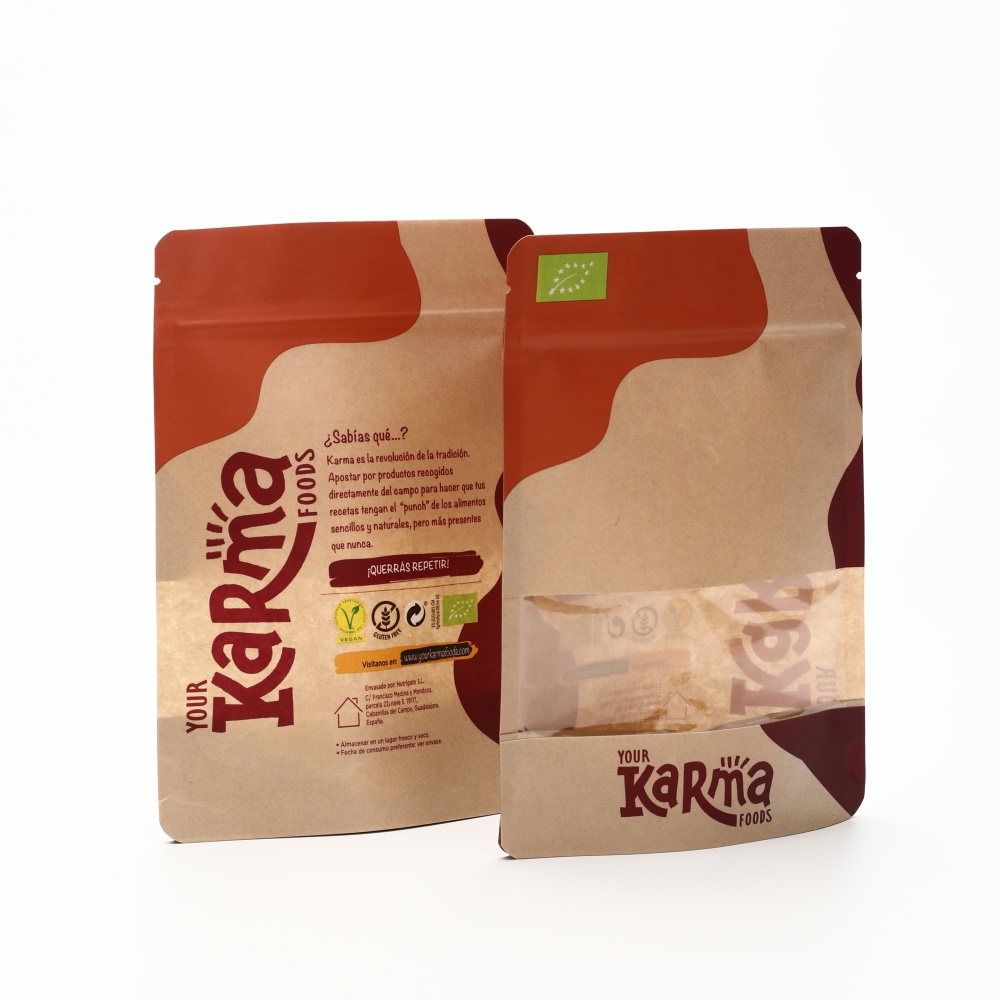
Stand Up Candy Packaging Bags

Eco-Friendly Materials

You see a clear shift in the packaging paper industry as food brands respond to environmental concerns and the rapid growth in packaging demand. You want packaging that supports your sustainability goals and meets the expectations of your customers. Kraft paper bags offer a recyclable alternative to plastic, making them a top choice for sustainable packaging. You can choose from a range of eco-friendly packaging options that use renewable resources and reduce your carbon footprint.

  • You benefit from innovative products like BioPouches’ Paper Pouch, which uses sustainable paper materials and advanced barrier layers.

  • These pouches carry certifications such as BRC, ISO, BPI, GRS, and DIN, so you know they meet strict standards for food safety and sustainability.

  • You can select packaging that is lightweight, strong, and designed to protect your products from moisture, oxygen, and light.

When you choose eco-friendly packaging, you show your commitment to sustainability and help drive the growth of sustainable packaging across the industry.

You notice that the demand for eco-friendly materials continues to rise. Brands like yours use these materials to align with sustainability efforts and meet the growing demand for responsible packaging. You also see that sustainable packaging supports your brand’s image and helps you stand out in a crowded market.


Compostable And Biodegradable Options

You want packaging that goes beyond being recyclable. Compostable and biodegradable packaging solutions give you the chance to make a bigger impact. You can select biodegradable options like the Natural Kraft Look Biodegradable Stand-Up Pouch from BioPouches. These pouches are home compostable, BPA-free, and designed to break down naturally, supporting your sustainability goals.

  • You help reduce landfill waste and support carbon reduction when you choose compostable packaging.

  • You meet the demand for sustainable packaging by offering products that appeal to eco-conscious consumers.

  • You can customize these pouches for different foods, such as coffee, tea, snacks, and dried fruits, while maintaining high-barrier protection.

By choosing biodegradable packaging, you take a strong step toward a greener future and show your customers that you care about the planet.

You see the growth in demand for compostable and biodegradable options as more brands look for ways to improve their sustainability efforts. You can trust that certified products from leading manufacturers will help you meet your packaging demand and support your brand’s commitment to eco-friendly practices.


Regulatory And Market Trends


Plastic Bans And Compliance

You see regulatory pressure against single-use plastics shaping the packaging industry in 2026. Governments around the world introduce strict rules that force brands to rethink their packaging choices. You must comply with these new standards to stay competitive. The industry responds by shifting toward paper-based solutions. You notice that the paper bag industry offers reliable alternatives that meet both safety and environmental requirements.

Many key players in the industry now prioritize compliance with global and local regulations. You benefit from this shift because it helps you avoid penalties and maintain your reputation. Certifications and eco-labels become essential tools for you to prove your commitment to responsible packaging.

You also see influential trends emerging as more countries ban plastic bags. These trends push you to adopt packaging that aligns with both consumer values and legal requirements. The industry adapts quickly, and you find more options that meet the highest standards.


Paper Bag Market Growth

You witness significant growth in the paper bag market as demand for sustainable packaging rises. The current market size continues to expand, driven by both regulatory changes and consumer preferences. You see the global packaging market outlook reflecting this shift, with forecasts showing steady increases in paper-based solutions.

  • The paper bag market attracts new players who want to capitalize on these influential trends.

  • Key players in the industry invest in innovation to offer better barrier properties and customizable designs.

  • You notice that the current market size supports a wide range of packaging needs, from food to retail.

You rely on the industry’s ability to scale production and maintain quality. The global packaging market outlook shows that the paper bag industry will remain strong. You can trust that the current market size and the presence of many players ensure stability and choice for your brand.

The industry’s significant growth means you have more opportunities to choose packaging that meets your goals and supports a sustainable future.


Consumer Preferences For The Future


Demand For Sustainable Packaging

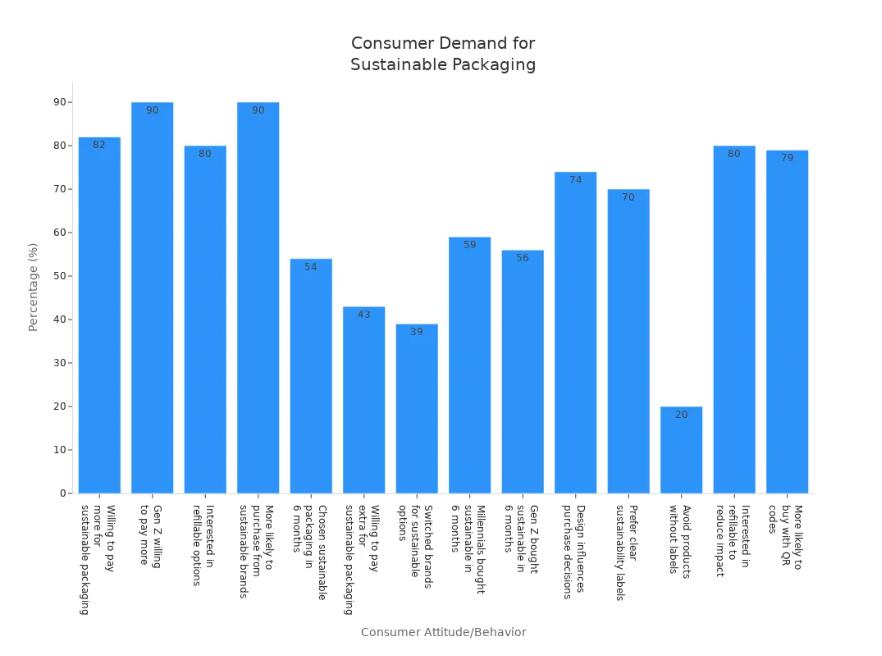
You notice that consumer preferences shape the future of packaging. People want packaging that supports sustainability and protects the environment. You see a growing demand for recyclable and compostable options. Many shoppers choose products with packaging that shows a clear commitment to eco-friendly practices. You understand that your customers value packaging that reduces waste and uses renewable materials.

You can respond to these preferences by selecting kraft paper bags. These bags meet the demand for sustainable packaging and help you build trust with your audience. You see that certifications and eco-labels make your packaging stand out. You know that your brand can use these features to highlight your dedication to responsible packaging. You recognize that the future of paper bags depends on meeting these preferences and staying ahead of market trends.

You make a positive impact when you choose packaging that aligns with consumer values and supports a greener future.


Visual Appeal And Customization

You realize that packaging must do more than protect products. It needs to attract attention and tell your brand’s story. You see that modern consumers prefer packaging with visual appeal and unique designs. Kraft paper bags offer a natural look that appeals to eco-conscious shoppers. You can customize these bags with your logo, colors, and messaging.

You use customization to connect with your audience and share your brand’s values. You know that packaging with creative designs increases shelf presence and encourages repeat purchases. You can select from various shapes and sizes to match your product and preferences. You see that packaging becomes a tool for storytelling and brand building.

Feature

Benefit

Custom printing

Show your brand identity

Unique shapes

Fit different product types

Natural look

Appeal to eco-conscious buyers

You understand that packaging with visual appeal and customization helps you meet consumer preferences and secure your place in the future market.


Packaging Performance And Innovation


Bag Durability And Barrier Properties

You want your packaging to protect your products and keep them fresh. You look for solutions that offer strong durability and advanced barrier properties. You choose a high-barrier paper bag because it shields your food from moisture, oxygen, and light. You see that a high-barrier paper bag prevents spoilage and extends shelf life. You trust that a high-barrier paper bag keeps flavors and aromas locked in.

You notice that kraft paper bag manufacturers invest in packaging innovations. You benefit from these improvements because you get a high-barrier paper bag that meets strict food safety standards. You select a high-barrier paper bag for beef jerky, seeds, grains, and dried fruits. You rely on the sealing strength of a high-barrier paper bag to keep your products secure. You see that a high-barrier paper bag offers heat sealability, which helps you maintain product integrity.

You compare different packaging options and find that a high-barrier paper bag stands out. You choose a high-barrier paper bag because it is lightweight and easy to handle. You appreciate that a high-barrier paper bag supports your sustainability goals. You see that a high-barrier paper bag reduces your carbon footprint and aligns with eco-friendly practices.

You make a smart choice when you select a high-barrier paper bag for your packaging needs. You protect your products and show your commitment to quality.

You trust that a high-barrier paper bag from a reliable kraft paper bag manufacturer will meet your expectations. You know that certifications like BRC, ISO, BPI, GRS, and DIN guarantee the safety and performance of your packaging. You see that a high-barrier paper bag is suitable for coffee, tea, spices, snacks, and many other foods.


Customization By Kraft Paper Bag Manufacturer

You want your packaging to reflect your brand identity. You work with a kraft paper bag manufacturer to create a high-barrier paper bag that fits your product. You choose from different sizes, shapes, and printing options. You customize your high-barrier paper bag with your logo, colors, and messaging.

You see that a kraft paper bag manufacturer offers flexible solutions for your packaging needs. You select a high-barrier paper bag for specialty foods and premium products. You use customization to attract customers and build brand loyalty. You rely on a kraft paper bag manufacturer to deliver consistent quality and fast lead times.

You notice that a kraft paper bag manufacturer supports your supply chain with efficient production. You order a high-barrier paper bag in quantities that match your business size. You trust that a kraft paper bag manufacturer will help you scale your packaging as your brand grows.

You compare the benefits of working with a kraft paper bag manufacturer:

Feature

Benefit

Custom sizes

Fit your product perfectly

Unique printing

Show your brand identity

Fast lead times

Meet market demand quickly

Certified materials

Ensure food safety

You see that a kraft paper bag manufacturer helps you stand out in the market. You use a high-barrier paper bag to enhance your brand image and support your sustainability goals. You choose packaging that combines performance, customization, and eco-friendly features.

You lead the way in packaging by partnering with a kraft paper bag manufacturer. You select a high-barrier paper bag that protects your products and tells your brand story.

You recognize that packaging innovations drive the industry forward. You rely on a kraft paper bag manufacturer to provide a high-barrier paper bag that meets your needs today and prepares you for the future.


Brand Image And Marketing
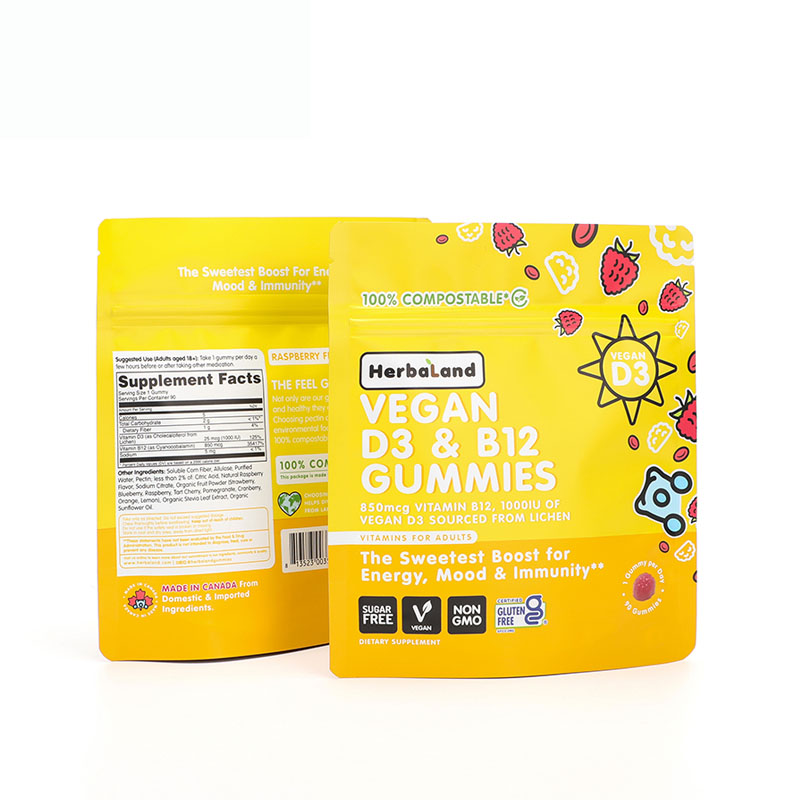
Wholesale Compostable Candy Bags

Enhancing Brand Perception

You want your brand to stand out in a competitive market. Kraft paper bags help you achieve a premium image while showing your commitment to eco-conscious values. When you choose kraft paper bags for your packaging, you send a clear message to your customers. You care about the environment and you value quality. This choice builds trust and loyalty.

You can use kraft paper bags to create a natural and rustic look. For example, the Natural Kraft Look Biodegradable Stand-Up Pouch gives your products a handcrafted feel. This style appeals to customers who appreciate authenticity and sustainability. You show that your brand supports responsible practices. You also benefit from certifications that reinforce your reputation for safe and sustainable packaging.

Tip: Use kraft paper bags with visible textures and earthy tones to highlight your brand’s eco-friendly story.


Design Flexibility

You have many options when you design your packaging with kraft paper bags. You can select different shapes, sizes, and finishes to match your product and brand identity. Custom printing lets you add your logo, colors, and unique artwork. This flexibility helps you create packaging that attracts attention and communicates your message.

You can choose stand-up pouches for snacks or flat pouches for coffee and tea. You can add windows to showcase your product or use matte finishes for a modern look. The design possibilities help you adapt your packaging for seasonal promotions or limited editions.

Design Feature

Benefit

Custom printing

Show your brand’s personality

Window options

Display your product clearly

Matte or glossy finish

Match your brand’s style

You use kraft paper bags to tell your brand story. You connect with customers who value both style and sustainability. You make your packaging a key part of your marketing strategy.

Note: Creative packaging design can increase brand recall and encourage repeat purchases.


Cost And Supply Chain Factors


Cost-Effectiveness

You want to make smart choices for your business. Kraft paper bags offer you a cost-effective solution for your packaging needs. You can lower your expenses by choosing packaging that uses renewable materials and efficient production methods. Many kraft paper bag manufacturers set minimum order quantities that help you manage your budget. For example, you can start with as few as 10,000 pieces, which gives you flexibility as you test new products or launch seasonal packaging.

You also benefit from short lead times. Most manufacturers deliver your packaging within 25 to 30 days. This quick turnaround helps you respond to market changes and keep your shelves stocked. You avoid the high costs that come with last-minute orders or supply shortages. When you choose kraft paper bags, you get reliable packaging that fits your budget and supports your sustainability goals.

Tip: Compare the total cost of ownership for different packaging options. Kraft paper bags often provide savings over time because they reduce waste and support efficient logistics.


Supply Chain Stability With Kraft Paper Bag Manufacturer

You need a stable supply chain to keep your business running smoothly. Working with a reliable kraft paper bag manufacturer ensures you always have the packaging you need. These manufacturers use advanced systems to track orders and manage inventory. You can scale your packaging orders as your business grows, which helps you avoid delays and shortages.

A strong partnership with your manufacturer gives you peace of mind. You know your packaging will arrive on time and meet your quality standards. Certified manufacturers also guarantee that your packaging meets food safety and sustainability requirements. This reliability supports your brand reputation and helps you build trust with your customers.

Supply Chain Benefit

How It Helps You

Fast lead times

Respond quickly to demand

Scalable orders

Grow your business with ease

Certified quality

Meet safety and eco standards

You see that choosing the right packaging partner makes your supply chain more efficient and your business more competitive.


You see food brands choosing Kraft paper bags because you want packaging that supports sustainability, regulatory compliance, and consumer appeal. You benefit from innovative packaging that offers durability, customization, and cost-effectiveness. You improve your brand image with packaging that meets strict certifications. You prepare for the future by selecting packaging that adapts to market trends and consumer needs.

Consider certified, customizable packaging solutions to lead your brand into a sustainable future.


FAQ

What certifications should you look for in Kraft paper bags?

You should check for certifications like BRC, ISO, BPI, GRS, and DIN. These show that your packaging meets food safety and sustainability standards.


Can you customize Kraft paper bags for different food products?

You can customize sizes, shapes, and printing. This helps you match your packaging to snacks, coffee, tea, or dried fruits.

Tip: Custom designs help your brand stand out and connect with eco-conscious customers.


Are Kraft paper bags suitable for composting?

Many Kraft paper bags offer home compostable options. You can choose biodegradable pouches that break down naturally and support your sustainability goals.


How do Kraft paper bags protect your food?

Barrier Type

Protection Provided

Moisture

Keeps food dry

Oxygen

Preserves freshness

Light

Maintains flavor

You get strong barrier properties that keep your products safe and fresh.
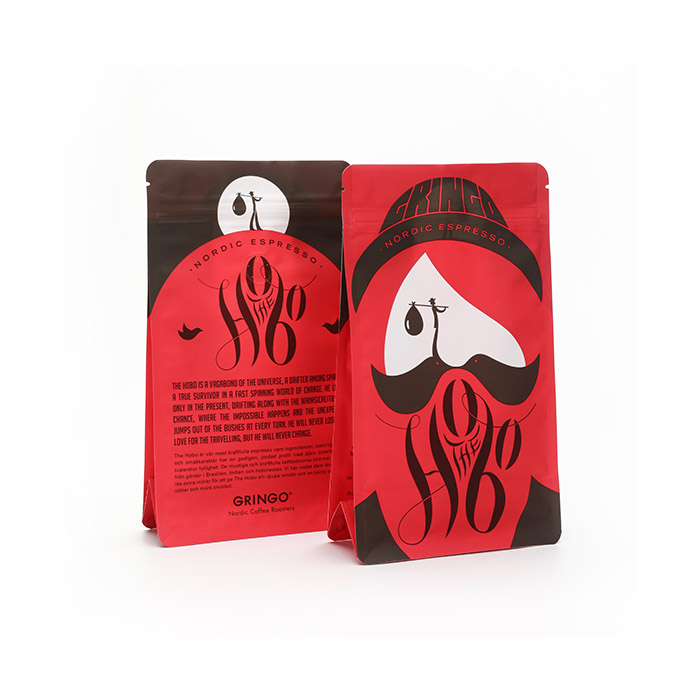
Designing the Perfect Flat Bottom Coffee Pouch Valves, Zippers, and Barrier Layers

The perfect flat bottom coffee pouch combines valves, zippers, and barrier layers to lock in freshness and make your product easy to use. You gain a stable base that stands out on shelves and offers more capacity for high-volume orders. Specialty coffee roasters often choose this pouch for its aesthetic appeal and larger printable surface, which helps showcase your brand. You can also select from customization options and eco-friendly materials to align your packaging with your business values.


Key Takeaways

  • Flat bottom coffee pouches provide maximum stability, allowing them to stand upright on shelves and enhance product visibility.

  • One-way valves in pouches preserve coffee freshness by allowing gases to escape while blocking oxygen, extending shelf life.

  • Zipper closures offer resealability, making it easy for customers to maintain freshness after opening the pouch.

  • Choosing the right barrier materials, like aluminum foil, protects coffee from moisture and oxygen, ensuring quality and flavor.

  • Customizable designs on flat bottom pouches help showcase your brand and attract eco-conscious consumers with sustainable options.


Flat Bottom Coffee Pouch Features

Custom Premium Soft-Touch Flat Bottom Coffee Pouches with Valve

Stability and Shelf Presence

You want your coffee packaging to stand out and stay upright on crowded retail shelves. Flat-bottom pouches deliver maximum stability because of their sturdy bottom construction and broad footprint. The flat base allows each coffee pouch to stand upright on any surface, minimizing the risk of tipping. This design also provides enhanced structural support, which improves presentation and signals premium quality to your customers.

Tip: Flat-bottom pouches offer five printable panels, giving you more space to showcase your brand and product information.

Feature

Flat Bottom Pouches

Stand-Up Pouches

Gusseted Bags

Stability

Maximum stability

Moderate stability

Lower stability

Appearance

Premium appearance

Standard appearance

Basic appearance

Branding Space

Five printable panels

Limited panels

Limited panels


Capacity and Storage

You need packaging that adapts to both small and large coffee orders. Flat-bottom pouches excel in this area. The side gussets expand when filled, providing ample space for whole beans or ground coffee. This feature helps maintain freshness by reducing exposure to air and moisture. Retailers benefit from the upright stability, which maximizes shelf space and improves product discoverability. The compact design allows for efficient stacking and shipping, making storage easier for both you and your customers.

Size Category

Dimensions (inches)

Capacity (grams)

Small

4 to 6

50 to 250

Medium

5 x 9.25 x 2.875

250 to 500

Large

8 to 12

1000 to 5000


Visual Appeal and Branding

You can elevate your brand with the right combination of shape, materials, and printing techniques. Flat-bottom pouches provide a box-like structure that attracts attention and communicates quality. You have access to advanced printing options such as Spot UV, glossy varnishing, matte finishing, and hot stamping. These techniques enhance visual appeal and help your coffee pouch stand out.

Material selection also plays a crucial role in brand recognition. Gold aluminum foil signals luxury and sophistication. Kraft paper with a window balances sustainable packaging with an artisanal look, appealing to eco-conscious consumers. High-resolution printable surfaces allow for vibrant colors and detailed imagery, ensuring your coffee packaging leaves a lasting impression.


Valves and Freshness

One-Way Valve Function

You need a packaging solution that protects your coffee from staling and preserves its freshness and flavor. One-way valves play a critical role in the flat bottom coffee pouch by allowing carbon dioxide to escape while blocking oxygen from entering. Freshly roasted coffee beans release CO₂ for several weeks after roasting. If you trap this gas inside a sealed pouch, the bag can swell or burst. The one-way valve solves this problem by managing internal pressure and maintaining the structural integrity of your packaging.

Mechanism

Description

Pressure Difference

The valve operates based on the pressure difference between the inside and outside of the bag.

CO2 Release

Freshly roasted coffee beans release CO2, creating pressure inside the bag.

Valve Opening

The valve opens when internal pressure exceeds external pressure, allowing CO2 to escape.

Valve Closing

The valve closes when internal pressure decreases, preventing oxygen from entering.

Components

Includes a cap, disc/diaphragm, seal, and sometimes a filter to prevent clogging.

Functionality

The valve maintains freshness by allowing CO2 to escape while blocking oxygen ingress.

Note: The quad seal box bottom pouch often features a one-way degassing valve, which preserves the quality and flavor of your coffee by releasing built-up CO₂ and preventing external air from entering.

You benefit from a valve that prevents bag damage caused by pressure and enhances the consumer experience by ensuring freshness and flavor. The valve also helps maintain the shelf life of your coffee by blocking oxygen, which degrades flavor and aroma.

  • One-way valves allow gases to escape from the bag without letting any air in, which is essential for preserving coffee quality.

  • The valve prevents the bag from swelling or bursting due to CO₂ buildup.

  • It maintains the structural integrity of the packaging, preventing damage from pressure.

  • The valve enhances the shelf life of coffee by blocking oxygen, which degrades flavor and aroma.


Preserving Coffee Quality

You want your coffee to taste as fresh as possible, even weeks after roasting. Exposure to air leads to oxidation, which dulls the taste and aroma of coffee. One-way valves provide a protective barrier against this, ensuring your coffee retains its freshness and flavor. Proper packaging is vital in the specialty coffee market, as it protects against oxygen, moisture, and other factors that can degrade flavor and aroma. The presence of a valve is a key feature that enhances the overall quality and shelf life of the coffee.

Benefit

Description

Freshness Preservation

One-way valves allow CO₂ to escape while preventing air from entering, maintaining product quality.

Extended Shelf Life

Valve-equipped bags can keep coffee fresh for up to 30% longer than those without valves.

Reduced Waste

Improved longevity leads to less spoilage and waste, benefiting both businesses and consumers.

Studies indicate that freshly roasted coffee retains significant amounts of CO₂, which can continue to be released for several weeks post-roasting. This ongoing degassing must be managed effectively to preserve flavor and aroma. You gain a longer shelf life and reduced waste, which benefits both your business and your customers.

Tip: One-way coffee valves help maintain coffee freshness by preventing air from entering, which is crucial in avoiding oxidation.

You ensure that your flat bottom coffee pouch delivers the highest freshness and flavor possible. The valve mechanism preserves the quality of your coffee, making your product stand out in a competitive market.


Zippers and Usability

Types of Zipper Closures

You want your coffee packaging to offer both convenience and protection. Zipper seals have become a top choice for flat bottom coffee pouch designs because they provide exceptional resealability and user-friendly access. When you select a zipper closure, you give your customers the ability to open and close the pouch multiple times without losing freshness. This feature is especially important for specialty coffee brands that want to promote proper storage and enhance the consumer experience.

A well-constructed zipper, such as a pocket zipper, creates a strong barrier against oxygen and moisture. This helps maintain the coffee’s flavor and aroma after opening. Zipper closures also slow down the staling process compared to non-airtight options. You can find these closures on many premium pouches, including the quad seal box bottom style, which combines durability with a modern look.

Tip: Choose a zipper style that matches your brand’s focus on quality and customer satisfaction. Pocket zippers and press-to-close zippers are both popular for their reliability and ease of use.


Resealability and User Experience

You want your customers to enjoy every cup of coffee as fresh as the first. Resealable zippers play a key role in achieving this goal. They create a near-airtight seal that protects your coffee from oxygen, which helps preserve both flavor and aroma.

  • Resealable zippers are easy to use, which increases customer satisfaction and strengthens your brand’s reputation.

  • These closures provide superior seal integrity, extending the shelf life of your coffee after the pouch is opened.

  • Customers appreciate the convenience of resealing the pouch, which encourages repeat purchases and positive reviews.

When you invest in a flat bottom coffee pouch with a high-quality zipper, you show your commitment to both product quality and user experience. This small detail can set your coffee apart on the shelf and build lasting loyalty with your customers.


Barrier Layers and Protection

Material Choices

You need to select the right materials for your coffee pouch to ensure maximum protection and shelf life. Each layer in a flat bottom coffee pouch serves a specific function. The outer layer, often made from polyethylene terephthalate (PET) or kraft paper, gives strength and printability. The barrier layer, which can be aluminum foil or metallized film, blocks oxygen, moisture, and light. The sealing layer, usually food-grade polyethylene (PE), enables airtight closure and heat sealing.

Layer

Material

Function

Outer Layer

Polyethylene terephthalate (PET), Kraft paper

Provides printability, strength, and resistance to tearing.

Barrier Layer

Aluminum foil, metallized film

Blocks oxygen, moisture, and light to preserve freshness.

Sealing Layer

Food-grade polyethylene (PE)

Enables heat sealing and ensures airtight closure.

You can choose from several material options. Kraft paper offers a natural look and eco-friendly appeal, but it needs lamination for better barrier performance. Plastic films like LDPE, BOPP, and PET provide durability and flexibility. PLA and other bioplastics are compostable, though they require reinforcement for strong barriers. Aluminum foil laminates deliver the highest level of protection, making them ideal for premium or quad seal box bottom packaging. Rice paper and other alternatives are biodegradable but need extra support for effective preservation.


Moisture and Oxygen Defense

You want your coffee to stay fresh and flavorful for as long as possible. Oxygen and moisture are the main threats to coffee quality. Multi-layer laminates in flat bottom coffee pouches reduce the transmission of these elements, helping you maintain the unique flavors and aromas of your product. Laboratory tests, such as Oxygen Transmission Rate (OTR) and Moisture Vapor Transmission Rate (MVTR), measure how well your pouch blocks these threats.

Test Type

Measurement Method

Standard Conditions

Result Units

OTR

Oxygen chambers, coulometric sensor

73°F (23°C), 0% RH

cc/100in²/24hr (US), cc/m²/24hr (metric)

MVTR

Wet/dry chambers, pressure sensor

100°F (37.8°C), 90% RH

g/100in²/24hr (US), g/m²/24hr (metric)

Low oxygen and moisture transmission rates are essential for preservation. When you use high-barrier materials like aluminum foil or metallized PET, you extend shelf life and ensure your coffee delivers the best possible experience to your customers. These choices help your brand stand out for quality and reliability.

Tip: Always ask your packaging supplier for barrier test results to guarantee your pouch meets industry standards.


Customizing Your Coffee Pouch

Integrating Valves, Zippers, and Barriers

You can achieve optimal performance and brand identity by thoughtfully combining valves, zippers, and barrier layers in your flat bottom coffee pouch. Each feature serves a distinct purpose, but their integration requires careful planning. You should prioritize freshness by selecting closures and barrier materials that preserve flavor and aroma. Balance aesthetics with usability, ensuring your graphics remain clear and your pouch easy to open and reseal. Reflect your brand identity through colors, fonts, and finishes that match your story, whether rustic or modern. Sustainable packaging options help you communicate environmental responsibility. Test your pouch with real users to identify any pain points in the design or user experience.

Best Practice

Description

Prioritize Freshness First

Choose materials and closures that actively preserve flavor and aroma.

Balance Aesthetics with Usability

Ensure eye-catching graphics do not compromise readability or functionality.

Reflect Brand Identity

Align colors, fonts, and finishes with your brand’s story, whether rustic, modern, or sustainable.

Design for Sustainability

Use recyclable, compostable, or reusable materials and communicate environmental efforts clearly.

Test with Real Users

Conduct tests for ease of opening, resealing, and pouring to identify potential pain points.

  • The cost of custom coffee pouches depends on size, material, design complexity, and order quantity.

  • Specialized features such as degassing valves or eco-friendly materials may increase costs.

  • Larger orders often reduce the price per pouch.


Eco-Friendly Options

You can meet growing consumer demand for sustainable packaging by choosing eco-friendly materials and printing techniques. Home compostable materials, recyclable mono-PE, bio-PE, and kraft paper PE lining offer alternatives to traditional plastics. Each option provides unique benefits and limitations. For example, home compostable pouches break down quickly but may not suit all landfill environments. Recyclable mono-PE pouches offer clear and matte finishes, though their barrier properties may differ from conventional materials. Bio-PE uses sugarcane and supports carbon-negative production. Kraft paper PE lining combines natural aesthetics with product protection.

Eco-Friendly Material

Description

Performance Comparison

Home Compostable

Made from plant-based materials including PLA and PBAT.

Breaks down in home compost within 180 days, but not suitable for traditional landfills.

Recyclable Mono-PE

Single-material polyethylene pouches, fully recyclable in PE recycling streams.

Offers a clear and matte finish, but may not provide the same barrier as traditional materials.

Bio-PE (I'm Green)

Sugarcane-based bio-polyethylene, carbon-negative production.

Fully recyclable in existing PE streams, but performance may vary compared to conventional plastics.

Kraft Paper PE Lining

Natural kraft paper exterior with PE barrier lining.

Combines natural aesthetics with product protection, but may not match the durability of synthetic options.

  • PLA and rice paper are compostable but may lack the barrier properties of synthetic materials.

  • Traditional materials provide superior protection but are less environmentally friendly.

  • Many specialty coffee brands now prefer sustainable packaging, and consumers are willing to pay more for eco-conscious options.


Brand Customization

You can enhance your brand identity through custom printing and design of coffee pouches. Flat bottom pouches offer multiple printable panels, allowing you to communicate your brand narrative and product details. High-quality printing techniques create vibrant colors and detailed imagery, making your packaging visually appealing and memorable. You should match the design to your customer profile, such as eco-conscious buyers who prefer kraft finishes. Align your pouch design with your logo and brand story. Consider sustainable materials and maximize brand visibility with full-surface printing. Advanced functional features further improve performance and consumer experience. Partner with packaging suppliers to tailor solutions that fit your needs and elevate your brand.

Tip: Use the large surface area of flat bottom coffee pouches to showcase your brand and highlight your sustainability commitments.


You gain the ultimate coffee experience when you choose a flat bottom coffee pouch with integrated valves, zippers, and advanced barrier layers. These features:

  • Maintain freshness by letting gases escape while blocking oxygen.

  • Extend shelf life and protect against moisture and contaminants.

  • Enhance user experience with resealable and convenient designs.

You can boost your brand’s visibility and quality by focusing on stability, capacity, and customization. For tailored solutions, consult packaging experts who can guide you from design to delivery.


FAQ

What makes flat bottom coffee pouches better than traditional bags?

Flat bottom coffee pouches offer superior stability and shelf presence. You get more branding space and improved storage efficiency. This design helps your product stand out and ensures a premium look.

How does a one-way valve work in coffee packaging?

A one-way valve lets carbon dioxide escape from the pouch while blocking oxygen from entering. You protect your coffee from oxidation and preserve its flavor and aroma for a longer period.

Can I customize my coffee pouch with eco-friendly materials?

Yes, you can choose from recyclable, compostable, or bio-based materials. These options help you meet sustainability goals and appeal to environmentally conscious customers.

Why should I choose a pouch with a zipper closure?

A zipper closure allows you to reseal the pouch after each use. You maintain freshness and improve the overall experience for your customers by making storage easy and convenient.

What barrier materials provide the best protection for coffee?

Aluminum foil and metallized films offer the highest protection against moisture, oxygen, and light. You ensure your coffee stays fresh and maintains its quality throughout its shelf life.

Flat Bottom Pouch Food Packaging Trends for 2026

You’re probably noticing a shift in how brands present food on store shelves. Flat bottom pouch packaging is leading the way into 2026, blending premium quality with eye-catching shelf appeal. Take a look at what’s driving this change:

Trend Description

Projected Growth

Additional Insights

Market CAGR

5.29%

Expected to rise from USD 15.27 billion in 2026 to USD 19.76 billion by 2031.

Cost Reduction

15-20% savings

Flat-bottom pouches replacing secondary corrugated shippers in e-commerce.

Lightweight Demand

Increasing

Adoption of single-serve and resealable pouches replacing traditional formats.

Sustainability

Accelerating

Regulations pushing for mono-material recyclable pouches.

Regional Growth

6.23% in MEA

Supported by new aseptic dairy lines and agribusiness exports.

You can see how innovation in materials boosts durability and extends shelf life, while sustainable options make a real impact for both brands and consumers. Customization lets you stand out, whether you’re looking for block bottom pouch styles, box bottom coffee bags, or even square bottom bags wholesale. If you want custom printed food bags that reflect your values, flat-bottom pouch solutions give you that flexibility.


Key Takeaways

  • Flat bottom pouches are gaining popularity due to their eye-catching design and stability on shelves.

  • These pouches offer significant cost savings, reducing packaging expenses by 15-20%.

  • Sustainability is a key trend, with brands moving towards recyclable and eco-friendly materials.

  • Customization options allow brands to create unique packaging that enhances visibility and appeal.

  • Smart features like resealable zippers and interactive labels improve user experience and product freshness.


Flat Bottom Pouch Food Uses

Flat bottom pouches have become a popular packaging choice for a wide range of food products. You’ll see them everywhere, from snack aisles to the frozen section. Their versatility makes them a go-to for brands that want both style and substance. Take a look at how these pouches fit into different food categories:

Food Category

Market Share (%)

Food & Beverage

54.9


Snacks and Confectionery

If you love grabbing a quick snack or a sweet treat, you’ve probably noticed the shift to flat bottom pouch packaging. Brands choose this style because it gives you:

  • 360° billboard branding for more eye-catching designs

  • High-barrier protection that keeps snacks fresh for over a year

  • Eco-friendly options that meet retailer demands

  • Block-bottom stability for easy filling and less mess

You also get features like a high-clarity window to see what’s inside and a resealable design that stands up to repeated use. That’s why snacks and confectionery brands keep picking this pouch for their gourmet food packaging.


Coffee and Tea

Coffee and tea deserve packaging that matches their premium quality. Flat-bottom pouch designs, including box bottom coffee bags, offer maximum shelf stability and a rigid structure that stands out. You get more storage capacity, so you can fit more beans or leaves in each bag. With five printable panels, your brand gets noticed from every angle. The multi-layer construction keeps out moisture and oxygen, which is key for packaging perishable products like coffee and tea.

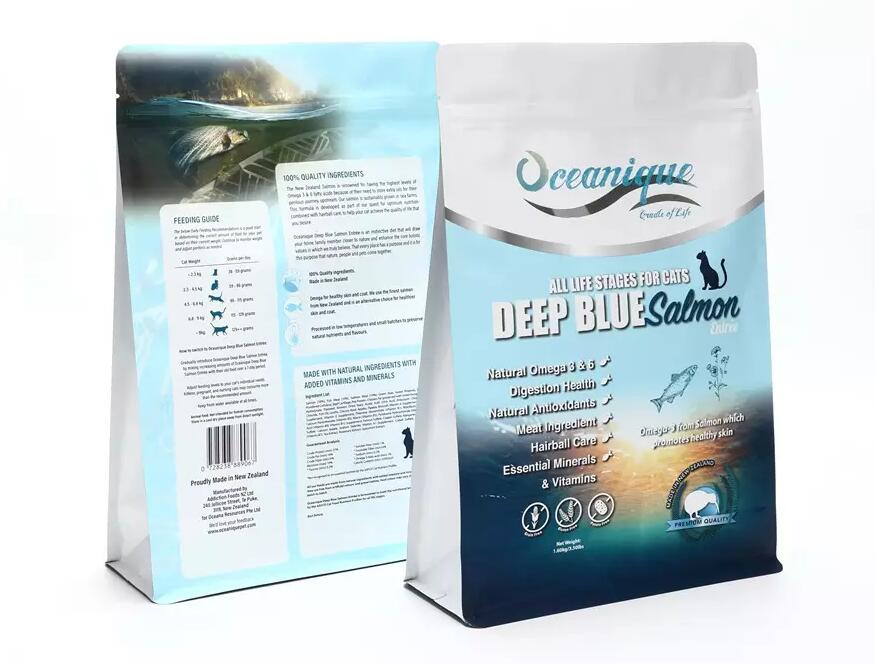
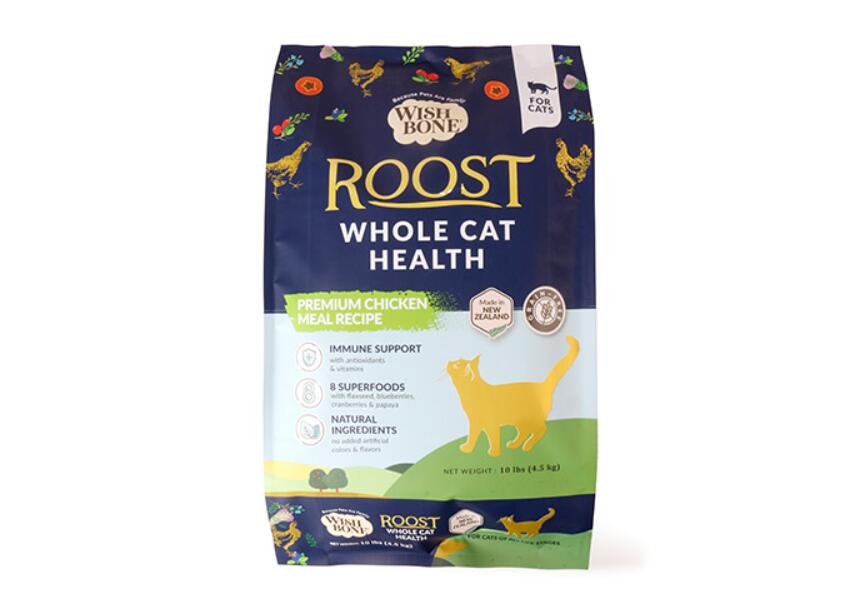
Flat Bottom Pet Food Bag with Zipper

Pet Food

Pet owners want freshness and convenience. Flat bottom pouches deliver both. You’ll find:

  • Enhanced standability for better display

  • More space for bigger portions

  • Superior sealing to lock in freshness

  • Custom options for unique branding

  • Sustainable materials that help the planet

This makes them a smart choice for pet food brands looking to stand out.


Dry Goods

Dry goods like grains, pasta, and dried fruit need protection from air and moisture. Flat bottom pouches use heat-sealed seams and multi-layer barriers to keep everything fresh. You get long shelf life and a sturdy package that won’t tip over easily.


Frozen Foods

Frozen foods need packaging that can handle cold temperatures and rough handling. Flat bottom pouches shine here, too. They offer:

  • Enhanced shelf presence

  • Increased product protection

  • Easy storage and resealing

  • Superior preservation thanks to strong materials

You can trust these pouches to keep your frozen favorites safe and tasty.

With their combination of shelf stability, product protection, and visual appeal, flat bottom pouches are leading the way in modern food packaging.


Advantages of Flat Bottom Pouch Packaging

Shelf Appeal and Stability

When you walk down a grocery aisle, you notice products that stand tall and look sharp. That’s the magic of a flat bottom pouch. This packaging stands upright, giving your brand a strong presence and making it easy for shoppers to spot your product. The five-panel design creates a box-like shape, similar to a block bottom pouch, which means your product won’t tip over or get lost on crowded shelves. You get increased shelf stability, so your items always look organized and appealing. Plus, the multiple flat surfaces let you show off your branding from every angle, helping you stand out in a busy market.

Tip: If you want to maximize shelf space and make your product pop, this style of packaging is a smart choice.


Barrier Protection and Freshness

You want your food to stay fresh, right? Flat-bottom pouch packaging uses multi-layer construction to keep out moisture, oxygen, and light. This means your snacks, coffee, or pet food stay tasty and safe for longer. Features like resealable zippers and transparent windows add even more value, letting you check the product and reseal it after each use. Maintaining freshness is easy with this design, and you’ll notice improved product freshness every time you open the pouch. The advanced barrier protection helps prevent spoilage, so you can trust your food will taste just as good as the day it was packed.

Feature

Benefit

Multi-layer construction

Extends shelf life and preserves flavor

Barrier films

Prevent spoilage and keep products safe

Resealable zippers

Boost convenience and usability

Transparent windows

Let you see the product and increase shelf appeal


Lightweight and Efficient Design

Flat bottom pouches are lighter than many traditional packaging options. You save on shipping costs because these pouches require less material and take up less space during transport. The efficient use of space means you can fit more products in each shipment and on every shelf. This design also makes storage easier for both retailers and consumers. If you care about sustainability, you’ll appreciate that these pouches use fewer resources and help reduce your environmental footprint. With customizable options from BioPouches, you can choose food-grade materials that fit your brand’s needs while keeping things light and efficient.

Note: Lightweight packaging isn’t just good for your wallet—it’s better for the planet, too.

By choosing flat bottom pouch packaging, you get the best of both worlds: a package that looks great and works even better. These advantages of flat bottom pouch packaging help you deliver quality, freshness, and convenience to your customers every time.


Packaging Trends 2026

Custom Printed Flat Bottom Coffee Bags

Sustainability and Eco Materials

You care about the planet, and so do today’s food brands. In 2026, sustainability leads the way in packaging. Companies focus on reducing material usage while keeping strength and protection high. You see more recyclable structures, especially single-material pouches that make recycling easy. Interactive eco-labels, like QR codes, let you track the environmental journey of your product and learn about its impact.

Trend Description

Key Features

Environmental Protection

Focus on reducing material usage while maintaining strength and protection.

Recyclable Structures

Use of easily recyclable single-material structures.

Interactive Eco-Labels

Implementation of QR code tracking systems for better consumer engagement.

BioPouches offers eco-friendly packaging options, including compostable and recyclable flat bottom pouch designs. You can choose materials that match your brand’s values and help you stand out in the growing market for sustainable products.


Smart and Interactive Features

You want more than just a bag—you want an experience. Smart packaging is changing how you interact with your food. Brands now add AR and NFC technology to pouches, so you can scan and unlock recipes, product stories, or even loyalty rewards. Smart sealing keeps your food fresh and safe. You get end-to-end traceability, which means you know exactly where your food comes from. This reduces fraud and builds trust.

  • AR, NFC, and smart sealing enhance your experience.

  • You get real-time data on your preferences and habits.

  • Subscription services and refill programs become easier with interactive features.

  • Active packaging extends freshness and reduces waste.

BioPouches stays ahead by offering advanced features that make your packaging smarter and more engaging.


Customization and Branding

You want your product to look unique. Customization is a top trend for 2026. Brands use resealable zippers, different sizes, and unique designs to set themselves apart. Digital printing lets you create on-demand packaging, so you can target special events or limited editions without wasting inventory. This approach also supports sustainability, since you only print what you need.

Customization Feature

Application

Resealable zippers

Beverages, candies

Various sizes

General use

Unique designs

Brand differentiation

  • Enhanced visibility gives your product a better shelf presence.

  • Eco-friendly materials meet the demand for responsible packaging.

  • Personalized options help you reach specific groups of customers.

You can source square bottom bags wholesale for large runs or choose custom printed food bags for smaller batches. BioPouches makes it easy to create gourmet food packaging that matches your vision.


Shelf Life Innovations

You want your food to stay fresh as long as possible. New technologies help extend shelf life in flat bottom pouch packaging. Multi-layer barrier films protect against air and moisture better than standard plastic bags. Some brands use retort packaging, which seals and sterilizes food for up to 18 months without refrigeration. Clean-label ingredients, like new shortenings for tortillas, also help keep food fresh longer.

  • Multi-layer barrier films provide better protection.

  • Retort packaging allows for longer shelf life without refrigeration.

  • Clean-label practices support both health and freshness.

BioPouches uses advanced barrier materials and sealing options to help your products last longer and taste better.


Consumer Convenience

You want packaging that fits your lifestyle. In 2026, convenience drives design. Flat bottom pouches feature resealable closures, making them easy to open and close. Single-serve packs fit busy routines, so you can grab and go. These pouches are lightweight, easy to store, and help keep your food fresh with every use.

Brands focus on usability, so you get packaging that works for you. Features like zippers and valves make snacks and specialty foods easier to enjoy. BioPouches offers flexible options that match your needs, whether you want eco-friendly materials or custom features.

Tip: Choose packaging that makes life easier and keeps your food tasting great.

With these trends, you get packaging that’s smarter, greener, and more convenient than ever before.


Brand and Consumer Impact

Differentiation and Visibility

You want your product to stand out. Flat bottom pouch packaging gives you that edge. The five-panel design creates a large canvas for your brand story. You can use the front and back for your main message. The side gussets let you add more details or even a fun fact about your product. This structure helps your product stand upright, making it easy for shoppers to spot. You get enhanced brand visibility because your pouch looks sharp from every angle. Customization options, like matte finishes or clear windows, let you create custom printed food bags that match your brand’s personality. When your packaging pops, customers remember you.

  • Stand-up design grabs attention on crowded shelves.

  • Multiple panels let you share your story and product info.

  • Custom features help you create a unique look.


Cost Efficiency

You want to save money without cutting corners. Flat bottom pouch packaging uses less material than rigid containers. This means you spend less on production. The compact shape also lowers your shipping and storage costs. You can fit more products in each box and on each pallet. The design maximizes space, so you get more volume without making the package bigger. If you run a small or medium brand, minimum order flexibility lets you start with smaller batches. You can test new flavors or seasonal items without a huge investment. This approach helps you manage cash flow and stay agile in a fast-changing market.

  • Less material means lower production costs.

  • Compact design reduces shipping and storage expenses.

  • Flexible order sizes support innovation and growth.


Freshness and User Experience

You want your food to stay fresh and easy to use. Flat bottom pouch packaging delivers both. The zipper closure makes it simple to open and close the pouch. You keep your snacks, coffee, or pet food fresh between uses. Studies show that most shoppers prefer packaging that offers convenience. Resealable features help maintain freshness and make life easier for you. The sturdy base keeps the pouch upright, so you don’t have to worry about spills. You get a package that fits your lifestyle and keeps your food tasting great.

  • Zipper closures preserve freshness and make access easy.

  • Resealable features keep food safe between uses.

  • Upright design prevents messes and adds convenience.

By choosing flat bottom pouch packaging, you boost your brand’s presence, cut costs, and deliver a better experience for your customers.


Flat-Bottom Pouch Future Outlook

Material Innovations

You can expect some exciting changes in the materials used for flat-bottom pouches. Brands are moving toward eco-friendly solutions, especially biodegradable options that break down faster and help the environment. You’ll also see improvements in barrier coatings, which means your food stays fresher for longer. Smart packaging technologies are on the rise, too. These innovations make it easier for you to enjoy products like block bottom pouch snacks or box bottom coffee bags with less worry about freshness or waste.

  • Biodegradable materials for a greener future

  • Advanced barrier coatings for better food preservation

  • Smart features that add value and convenience


Digital Integration

You’re going to notice more digital features in your packaging. Companies use advanced AI to boost efficiency and cut down on waste during production. This shift helps brands meet your demand for sustainable and innovative options. AI also predicts when machines need maintenance, so there’s less downtime and fewer delays. You get your favorite products, like square bottom bags wholesale, faster and fresher. Digital packaging solutions, such as smart labels and QR codes, let you scan for recipes, product info, or even loyalty rewards. This makes your experience with custom printed food bags more interactive and personal.

Tip: Try scanning the next pouch you buy—you might unlock a new recipe or a special offer!


Regulatory Trends

You’ll see new rules shaping the future of packaging. Governments want brands to use more recycled materials and limit certain types of packaging, just like California’s plastic bag ban. There’s a bigger focus on making sure all materials are safe for food and the planet. Producers must take responsibility for their packaging from start to finish. Global initiatives, like the EU’s rule that all packaging must be recyclable by 2030, set the standard for everyone.

Regulatory Trend

Description

Increased use of recycled materials

More recycled content in packaging materials

Bans on certain packaging formats

Restrictions like California’s plastic bag ban

Material health restrictions

Safer chemicals for food and sustainability

Extended producer responsibility (EPR)

Brands must manage the lifecycle of their packaging

Global initiatives

EU requires all packaging to be recyclable by 2030

You can count on the future of flat-bottom pouches to be smarter, safer, and more sustainable.


You’ve seen how flat bottom pouch packaging is set to dominate food shelves in 2026. Here’s what stands out:

  • Food applications will lead the market, driven by demand for efficient and appealing packaging.

  • Plastic remains popular for its lightweight and cost-effective design.

  • Standard pouch types, like block bottom pouch, offer versatility for mass-market needs.

  • The market is expected to reach USD 84.0 billion by 2035.

If you want your brand to grow, consider innovative solutions like box bottom coffee bags or custom printed food bags. These options boost product protection, enhance branding, and align with sustainability goals. Brands that use square bottom bags wholesale enjoy efficient storage and transport, while features like resealable zippers improve consumer satisfaction—up to 95% in recent surveys.

Tip: Start by exploring customizable, eco-friendly packaging that fits your product and story. Stay ahead by making your packaging smarter, greener, and more engaging.


FAQ

What makes flat bottom pouches different from other food packaging?

You get a sturdy, upright design that stands out on shelves. Flat bottom pouches, like block bottom pouch styles, offer more space for branding and keep your food fresh longer.


Can I customize my flat bottom pouch for my brand?

Absolutely! You can create custom printed food bags with your logo, colors, and special features. BioPouches lets you choose resealable zippers, windows, and sizes to match your product.


Are flat bottom pouches eco-friendly?

Yes, many flat bottom pouches use compostable or recyclable materials. You can select options that fit your sustainability goals. BioPouches offers eco choices for brands that care about the planet.


Do flat bottom pouches work for coffee packaging?

They work great! Box bottom coffee bags provide extra stability and barrier protection. You keep your beans fresh and your brand visible from every angle.


Where can I buy flat bottom pouches in bulk?

You can order square bottom bags wholesale from BioPouches. Minimum orders start at 10,000 pieces. You get fast lead times and flexible options for different food products.


How Side Gusset Pouches Compare with Flat Pouches in Packaging Solutions

Choosing between a side gusset pouch and a flat pouch shapes your flexible packaging strategy. You gain more branding space and volume with a side gusset pouch, making it ideal for snacks and lightweight goods. Flat pouches offer superior stability and stronger seals, perfect for sauces or heavier products. Consider this comparison:

Feature

Side Gusset Pouches

Flat Bottom Pouches

Product Protection

More flexible, holds more volume, ideal for lightweight products

Superior stability, stronger seals for heavy/liquid products

Branding Opportunities

More space for colorful branding and logos, eye-catching designs

Simpler look, suits luxury brands

Cost

10-15% more to produce, but can reduce shipping costs

Cheaper to produce, may require larger orders for best pricing

Smart pouch selection ensures your product stands out, stays fresh, and fits your budget.


Key Takeaways

  • Side gusset pouches offer more branding space and volume, making them ideal for snacks and lightweight goods.

  • Flat bottom pouches provide superior stability and stronger seals, perfect for sauces and heavier products.

  • Choose side gusset pouches for bulk items to maximize shelf presence and reduce shipping costs.

  • Flat pouches create a premium look and are great for high-value products that need strong shelf appeal.

  • Consider your product's weight and moisture sensitivity when selecting between pouch types for optimal protection.


Pouch Types Overview

Custom Recyclable Side Gusset Coffee Bags

When you evaluate flexible packaging options, you encounter a range of pouch types. Each pouch type offers unique advantages for different products and industries. Understanding the structure and function of side gusset pouches and flat bottom pouches helps you make informed decisions for your packaging needs.


Side Gusset Pouch Features

A side gusset pouch expands at the sides, creating extra space for bulkier or heavier items. You often see side gusset pouches in coffee, pet food, and powdered mixes. This pouch type stands out for its ability to maximize shelf space and hold larger volumes without sacrificing stability. The design allows the pouch to sit upright or lay flat, depending on how you fill and seal it.

Tip: If you need to package bulk products or want to reduce shipping costs, side gusset bags provide a cost-effective solution.

You can use side gusset pouches for products that require efficient storage and strong shelf presence. The expanded sides give you more room for branding and product information. Many businesses choose gusset pouches for their versatility in flexible packaging.


Flat Pouch Features

Flat bottom pouches, also known as stand up pouches, feature a stable base that keeps the package upright on shelves. You find these pouches in the coffee, granola, and pet food industries, especially for high-value foodstuffs where presentation matters. The flat base creates a premium look and makes the pouch easy to stack and display.

Flat pouches offer excellent product protection and work well for items that need a strong seal, such as sauces or liquids. You can also consider center seal pouches and side seal pouches for products that require extra durability. Flat bottom pouches help you save shelf space and enhance your product’s visual appeal.

When you compare these pouch types, think about your product’s volume, shelf presence, and the image you want to project. The right packaging choice supports your brand and protects your product from production to point of sale.


Design & Structure

Custom Printing Side Gusset Coffee Bag with Valve and Tin Tie

Shape and Construction

You need to understand the physical differences between side gusset pouches and flat pouches. Side gusset pouches expand at the sides, which allows you to pack more product without increasing the footprint on the shelf. This design works well for products that require flexibility in volume, such as coffee beans or pet food. The gussets provide extra support, so the pouch stands upright or lays flat, depending on your filling method.

Flat pouches, often called stand-up pouches, feature a stable base. This base keeps your product upright and creates a premium look on retail shelves. You see this structure in packaging for granola, snacks, and high-value foods. The flat bottom makes stacking and display easy, which helps you maximize shelf presence. You can choose from different seal types, such as three-side seals or center seals, to match your product’s needs.

Tip: If you want your product to stand out on crowded shelves, focus on the pouch’s shape and construction. A well-designed pouch attracts attention and supports your brand image.


Material Choices

Selecting the right material impacts both your product’s shelf life and your sustainability goals. You have several options, each with unique benefits:

Material Type

Impact on Shelf Life and Sustainability

Plastic (Polyethylene, PP, PET)

Excellent moisture and puncture resistance, ideal for dry goods and moisture-sensitive items.

Paper-based gusset bags

Natural, recyclable appearance, often lined for moisture resistance, suitable for eco-conscious brands.

Biodegradable films

Break down in composting facilities, offering plastic-like performance while supporting sustainability.

Laminated films

Enhanced barrier properties against oxygen and light, ideal for perishables like coffee and spices.

Recyclable materials

PE or PP films accepted in recycling programs; paper-based bags are recyclable if uncoated.

Compostable certifications

Bags certified by BPI, OK Compost, or TÜV ensure proper breakdown under composting conditions.

Reduced plastic use

Thinner gauges or hybrid designs lower environmental impact.

Carbon footprint

Some suppliers offer carbon-neutral production or renewable energy use in manufacturing.

You often see side gusset pouches made from mono-materials like mono PE or mono PP. These materials simplify recycling and support circular economy goals. Compostable options use bio-based materials, such as corn-based films, which break down in industrial composting facilities. Biodegradable combinations, like Kraft/PLA, offer a natural look and eco-friendly disposal.

  • Mono-materials improve recyclability.

  • Compostable pouches provide a green alternative but need special composting.

  • Laminated films protect sensitive products but may limit recyclability.

You should match your material choice to your product’s shelf life, branding, and sustainability targets.


Capacity & Shelf Space

Product Volume

You need to consider how much product each pouch type can hold. Side gusset bags give you more flexibility with volume. The sides expand, so you can pack more product without increasing the footprint. This feature works well for bulk items like coffee, pet food, or grains. You can also use gusset pouches for products that need efficient storage and shipping. Flat bottom pouches offer a stable base, which helps you fill them with heavier or denser products. You see these used for premium snacks, granola, or specialty foods. Stand up pouches, including center seal pouches and side seal pouches, provide good options for smaller quantities or single-serve items. When you choose a pouch type, think about your product’s density and how much you want to display on the shelf.

Tip: If you want to maximize shelf life and reduce waste, match your packaging size to your product volume. Oversized packaging can lead to higher costs and less efficient storage.


Shelf Presence

Shelf presence matters in retail environments. You want your product to stand out and attract buyers. Flat bottom pouches create a premium look because they stand upright and stack easily. This design gives you a clean, organized appearance on the shelf. Side gusset bags also offer strong shelf presence, especially for larger products. The expanded sides allow for more branding space, which helps your product catch the eye. Flexible packaging lets you customize the shape and size to fit your brand’s needs. When you compare different packaging options, consider how much space your product will take up and how it will look next to competitors. The right pouch type can boost your brand’s visibility and drive sales.

Note: Retailers often prefer packaging that maximizes shelf space and minimizes clutter. Choose a design that balances volume, appearance, and ease of handling.


Branding & Appeal

Print Area

You want your product to stand out on the shelf. The print area of your packaging plays a major role in how customers perceive your brand. Side gusset pouches give you a significant advantage because they offer a large printable area on all sides. This design lets you display bold graphics, detailed product information, and eye-catching logos. You can use every surface to tell your brand story and attract attention.

  • Side gusset bags provide more space for branding elements than flat bottom pouches.

  • You can add colorful designs, product windows, and promotional messages on the expanded sides.

  • This pouch type helps you maximize shelf space and visibility in busy retail environments.

Flat bottom pouches, including stand up pouches, offer a clean and premium look. You get adequate print space on the front and back, which works well for minimalist or luxury branding. However, you have less room for detailed graphics compared to gusset pouches. If you want a simple, elegant appearance, flat bottom pouches deliver that style.

Note: The right print area supports your marketing goals and helps your packaging compete on crowded shelves.


Consumer Perception

Your choice of packaging influences how customers view your product. Side gusset pouches often signal value and practicality. Shoppers associate these with bulk items or products that offer more for the price. The larger print area also allows you to highlight features like shelf life, sustainability, or special ingredients.

Flat bottom pouches create a sense of quality and sophistication. Many brands use these for premium snacks, specialty foods, or products that need a strong shelf presence. The upright shape and stable base make your product look organized and easy to handle.

Flexible packaging, such as center seal pouches and side seal pouches, gives you options to match your brand image. You can choose materials and finishes that reinforce your message. When you select the right pouch type, you build trust and encourage repeat purchases.

Tip: Use your packaging to communicate value, quality, and brand personality. The right design can turn first-time buyers into loyal customers.


Sealing & Closure

Seal Types

You must select the right seal type to protect your product and maintain freshness. Side gusset pouches often feature a single zipper seal at the top. This seal lets you open and reseal the pouch easily, which works well for snacks or products you use multiple times. Flat bottom pouches use stronger seals, such as K-seal or plow bottom closures. These seals create an airtight barrier, which is essential for liquids or items that spoil quickly. You see flat bottom pouches in high-value foodstuffs like coffee, granola, and pet food. These products require both strong presentation and reliable performance.

  • Side gusset pouches: Single zipper seal for easy access and resealing.

  • Flat bottom pouches: K-seal or plow bottom closures for airtight protection.

Note: Choosing the right seal type ensures your packaging keeps products fresh and safe from contamination.


Resealability

Resealability adds convenience for your customers. Both side gusset pouches and flat bottom pouches can include features like zippers or spouts. These options allow you to reseal the pouch after opening, which helps maintain product freshness. You do not see a significant difference in resealability between the two pouch types. Both offer similar options that enhance consumer satisfaction.

  • Zipper seals: Easy to open and close, ideal for snacks and dry goods.

  • Spouts: Useful for liquids, allowing controlled pouring and resealing.

When you choose packaging with resealable features, you improve the user experience. Customers appreciate the ability to keep products fresh and reduce waste. Resealability also supports your brand by showing attention to consumer needs.

Tip: Always consider resealability when selecting packaging for products that require multiple uses or extended shelf life.


Cost Factors

Manufacturing Efficiency

You need to consider manufacturing efficiency when choosing between side gusset pouches and flat pouches. Side gusset pouches often require more steps during production. The expanded sides and additional seals add complexity. This can increase your lead time and raise your costs. Flat pouches use a simpler structure. Manufacturers can produce these pouches faster and with less waste. You benefit from lower minimum order quantities and shorter turnaround times.

Tip: If you want to streamline your packaging process, flat pouches offer a cost-effective solution for many products.

You should also evaluate the type of machinery your supplier uses. Some machines handle both pouch types, but others specialize in one. Ask your supplier about their capabilities before you make a decision.


Shipping & Storage

Shipping and storage costs impact your bottom line. Side gusset pouches hold more product in a smaller footprint. You can fit more units per box or pallet. This reduces your shipping expenses and helps you optimize warehouse space. Flat pouches, while efficient, may not pack as tightly for bulk items. You might need more boxes or pallets for the same volume.

Here is a quick comparison:

Factor

Side Gusset Pouch

Flat Pouch

Units per carton

Higher

Lower

Pallet efficiency

Excellent

Good

Storage flexibility

High

Moderate

You should analyze your distribution model. If you ship large quantities or need to save on freight, side gusset pouches provide a strong advantage. For smaller runs or premium products, flat pouches may still meet your packaging goals.


Product Suitability

Best Uses for Side Gusset Pouch

You should consider a side gusset pouch when you need to package products that demand both capacity and presentation. This pouch type features expandable side panels that allow the bag to stand upright when filled. You gain a significant advantage in shelf presence compared to flat alternatives. The design maximizes storage capacity and maintains shape, which benefits you when packaging coffee, pet food, or bulk dry goods.

  • You can use side gusset pouches for coffee because they preserve freshness with high-barrier protection against moisture, oxygen, and light. Many suppliers offer customization options like degassing valves, which are essential for roasted coffee.

  • Pet food brands often choose side gusset bags. The structural stability and ample storage make them ideal for large quantities. You can display more product information and branding on the expanded sides.

  • Bulk dry goods, such as grains, rice, or powdered mixes, fit well in this packaging. The pouch stands upright, supports better presentation, and optimizes storage in warehouses and on retail shelves.

Tip: If you want to reduce shipping costs and maximize warehouse efficiency, side gusset pouches provide excellent structural stability and packaging capacity for large volumes.

You also benefit from the versatility of gusset pouches in flexible packaging. The design supports a wide range of fill weights and product types. You can enhance shelf life and maintain product quality with the right material selection.


Best Uses for Flat Pouch

You should select flat bottom pouches when you need packaging that offers excellent shelf stability and a premium look. This pouch type works well for products that require strong barrier protection and a clean, organized appearance on the shelf. You can use flat bottom pouches for pet food, coffee, tea, cereals, and grains. The structure accommodates a wide range of fill weights, from small single-serve packs to larger bulk formats.

  • Lay-flat pouches excel for smaller and single-serve products. You can package liquids, powders, and solids efficiently. Examples include ketchup, sauces, and ready-to-eat snacks in the food industry.

  • In cosmetics, you can use flat pouches for beauty masks, lotions, and travel-sized products. The three-side seal design with elegant finishes appeals to consumers seeking convenience and style.

  • Pharmaceutical companies rely on flat pouches to protect sensitive items like powders, capsules, and tablets. High-barrier materials ensure product integrity and extend shelf life.

Note: If you want to showcase your product with expanded branding space and strong shelf presence, flat bottom pouches and stand up pouches deliver a premium effect.

You can also consider center seal pouches and side seal pouches for products that need extra durability or unique presentation. Flexible packaging options allow you to match your pouch type to your product’s requirements and your brand’s image.


Choosing Your Pouch

Key Considerations

You face many factors when making pouch selection decisions for your products. Start by evaluating the design and structure. Side gusset bags give you more space for branding and product information. Flat bottom pouches offer stability and a premium look. Consider the product type and weight. Gusset pouches work well for lightweight, bulky items. Flat bottom pouches suit heavier or liquid products.

Think about capacity. Side gusset bags can hold up to 30% more product than flat bottom pouches of the same height. Shipping and shelf display needs also matter. Side gusset bags reduce shipping costs due to their compact nature. Flat bottom pouches maintain a neat appearance on shelves.

Branding and visual appeal play a role in flexible packaging. Side gusset bags allow for more branding opportunities. Sealing methods differ. Side gusset bags often feature resealable zippers. Flat bottom pouches typically use stronger airtight seals. Cost implications and minimum order quantities can influence your pouch selection. Material suitability is important. Both pouch types can be made from eco-friendly and FDA-approved materials.

Tip: Review your packaging requirements, production needs, and financial considerations. Assess pouch size, material, sealing type, and compatibility with recyclable films.


Matching Product Needs

You must match your pouch type to your product’s characteristics. Consider weight, moisture sensitivity, and shelf life. The table below helps you compare options:

Product Characteristic

Side Gusset Bags

Flat Bottom Pouches

Weight

Suitable for heavier products

More suitable for lighter products

Moisture Sensitivity

Excellent barrier properties for moisture

Less protection against moisture

Shelf Life

Extends shelf life for moisture-sensitive items

Limited shelf life for sensitive items

Side gusset bags use materials like PET, PE, or PP that provide excellent moisture and oxygen barriers. These materials help you protect sensitive products and extend shelf life. Flat bottom pouches may use Kraft paper, which offers moderate protection and works well for dry goods.

You should also consider stand up pouches, center seal pouches, and side seal pouches for specific needs. Flexible packaging gives you options for branding, capacity, and product protection. Review your production requirements, such as pouch size, changeover frequency, and factory space. Analyze financial factors like labor savings, product waste reduction, and long-term maintenance costs.

Note: Consult packaging experts if you need guidance. Assess your product’s needs, branding goals, and operational requirements to make the best pouch selection.


You gain distinct advantages by choosing the right pouch type for your packaging. Side gusset bags excel for bulk and heavy products, offering higher capacity and efficient transport. Flat bottom pouches provide premium shelf appeal and stability, making them ideal for high-value items. Consider the table below to compare pouch strengths:

Pouch Type

Best For

Key Advantages

Gusset pouches

Bulk, heavy products

High capacity, better weight distribution

Flat bottom pouches

Premium, high-value products

Stability, enhanced branding, shelf presence

Stand up pouches

Snacks, convenience items

Easy display, resealability

Center seal pouches

Durable, compact packaging

Strong seams, efficient for small items

Side seal pouches

Liquids, leak-sensitive items

Leak resistance, secure seams

Evaluate your packaging needs, shelf life requirements, and branding goals. Consult with experts to optimize your packaging strategy and ensure your products stand out.


FAQ

What products work best with side gusset pouches?

You should use side gusset pouches for coffee, pet food, grains, and bulk dry goods. These pouches handle large volumes and provide strong shelf presence. You can also choose them for products that require efficient shipping and storage.

Are flat pouches suitable for liquids?

Yes, you can package liquids in flat pouches. Choose high-barrier materials and strong seals for sauces, soups, or beverages. Flat pouches with spouts offer easy pouring and resealing.

How do I choose between side gusset and flat pouches?

Consider your product’s weight, volume, and branding needs. Side gusset pouches suit bulk items and maximize capacity. Flat pouches provide a premium look and work well for smaller or high-value products.

Can I use eco-friendly materials for both pouch types?

Pouch Type

Recyclable

Compostable

Paper-Based

Side Gusset

✅

✅

✅

Flat Pouch

✅

✅

✅

You can select sustainable materials for either pouch type. Ask your supplier about available options.


What printing options do I have for branding?

You can choose digital, flexographic, or rotogravure printing. Each method supports vibrant colors and detailed graphics. Discuss your branding goals with your packaging provider for the best results.

Pet Food Packaging Ensuring Freshness and Durability for Bulk Sizes

You count on pet food packaging to keep big bags of pet food fresh and safe for your pets. Good pet food needs strong packaging that keeps the food healthy and stops it from going bad. New packaging, like flexible pouch designs and hermetic seals, helps food last longer and stay fresh. Only 1.4% of pet owners buy big bags of pet food, and most of them have cats, so you need really good packaging that can handle being stored and moved. Packaging with strong oxygen and moisture barriers keeps pet food healthy and makes sure it lasts. You can trust pet food packaging from brands like Bioflexi to give you good quality and keep your pet’s food safe every time.
  • Modern flexible pouches, flat bottom pouch, stand up pouch, and side gusset pouch choices give better protection.
  • More people want sustainable materials and custom pet food packaging because they care about health and the environment.


Key Takeaways

  • Pick good pet food packaging to keep food fresh and safe for pets.
  • Find resealable closures and airtight seals to keep food fresh after opening.
  • Choose eco-friendly materials to help the planet and make less waste.
  • Think about how strong the packaging is to protect food when moving and storing it.
  • Change packaging sizes and designs to fit what customers want and help people notice your brand.


Custom Eco-Friendly Stand-Up Pouches for Pet Food

Bulk Pet Food Packaging: Core Functions

Preserving Freshness and Shelf Life

You want your pet’s food to stay fresh and safe. Bulk pet food packaging helps keep food good for a long time. When you buy high quality pet food, you want it to taste good and be healthy until the last meal. Pet food bags use special materials and smart designs to stop air, moisture, and dirt from getting in.

  • Pet food bags with multi-layer films or foil laminates are strong barriers. These layers block oxygen and moisture. This keeps food fresh and keeps its nutrition.
  • Proper sealing methods, like heat-sealing, make bags airtight and leak-proof. This stops food from spoiling and keeps out bad bacteria.
  • Resealable closures let you open and close the bag many times. You can serve meals easily and store leftovers without losing quality.
  • High quality pet food packaging stops harmful substances from getting into the food. This keeps your pet healthy.

Many pet owners use the same pet food bags to store kibble again. This shows that packaging is important for keeping food safe and fresh. Studies show that making shelf life longer from 6 to 15 days in a PET tray can cut food waste from 47% to 15%. This saves money and helps the environment by lowering waste and climate impact.

Tip: Always close resealable pet food bags tightly after each use. This easy step keeps food fresh and cuts down on waste.


Ensuring Durability in Storage and Transport

Durability is important when you buy bulk pet food. You need packaging that can handle heavy weight and rough handling. Pet food bags for bulk sizes use tough materials and smart features to protect the food inside.

Here is a table showing common materials and features that help durability:

Material/Feature Benefit
Woven polypropylene Moisture resistance and tear resistance
Multi-wall paper Durable and good for bulk storage
Polyethylene Extra moisture protection
Resealable closures Keeps product fresh
Vacuum sealing Makes shelf life longer and keeps nutrients
High-barrier materials Protects against moisture and contaminants

You can find pet food bags with strong seams and handles. These features make it easier to carry and store big packages. Flexible pouch designs, like stand up pouch, flat bottom pouch, and side gusset pouch, give extra strength and stability. Custom pet food packaging from trusted brands like Bioflexi uses these advanced materials and designs to keep your pet’s food safe during transport and storage.

When you pick the right pet food packaging, you protect your bulk pet food. You also make sure your pet always gets food that is fresh, safe, and high quality.


Challenges in Bulk Pet Food Packaging

Extended Shelf Life Needs

You want your pet’s food to stay fresh longer. Bulk pet food packaging has tough jobs. It must keep food safe and tasty for a long time. Moisture, oxygen, and light are big problems. Too much moisture can spoil the food. Oxygen makes fats go bad and takes away flavor and nutrition. To fix these issues, packaging uses strong seals and special layers. Heat sealing and ultrasonic sealing make bags tight and leak-proof. These seals block air and water from getting inside. Some packages use oxygen scavengers to keep food fresh and stop it from going bad. Picking the right packaging format, like flexible pouch or flat bottom pouch, helps control moisture and keeps food safe.

Here is a table that shows what good packaging should do:

Requirement Description
Protection against moisture, oxygen, and light Keeps food safe and fresh
Maintenance of sensory and nutritional properties Makes sure food tastes good and stays healthy
User-friendly packaging Easy to open, close, and store
Clear labeling Shows important safety and product information
Contamination prevention Stops germs and dirt from getting in during filling and storage
Chemical migration control Prevents harmful chemicals from entering the food


Handling, Storage, and Pest Protection

You need packaging that can handle rough storage and moving. Bulk bags get stacked, moved, and sometimes dropped. Strong materials in custom pet food packaging from Bioflexi help stop tears and leaks. Resealable closures and tough seams keep food safe after you open the bag. Stand up pouch, side gusset pouch, and rigid containers give extra protection for heavy loads.

Pests like insects and rodents can cause trouble. Good packaging acts as a barrier and stops pests from getting to the food. Many brands use several layers or air cushions for fragile items. Sometimes, rigid containers are needed for more safety. People care about sustainability too. Many now pick packaging that is better for the environment, even if it costs more. This choice can build brand loyalty and help protect the planet.

Tip: Always keep bulk pet food in a cool, dry place and seal the bag after each use. This easy step keeps your pet’s food fresh and safe.

Flat Bottom Pet Food Bag


Types of Pet Food Bags for Bulk Sizes

Block Bottom and Flat Bottom Bags

Block bottom and flat bottom bags give strong support. They help you store pet food neatly. These bags have five corners and a flat bottom. This shape makes them strong and gives more space. You can put a lot of pet food inside. Flat bottom bags stand up straight when filled. This makes them easy to stack on shelves. You also get more room for logos and product details. This helps your bag look special.

Brands like Bioflexi use custom packaging with flat bottom pouch choices. These bags hold a lot and stay steady. They are good for premium dog food and other big bags. You can trust these bags to keep your pet’s food safe and fresh.

Tip: Flat bottom bags are simple to open and close. This makes them easy to use every day.


Side Gusset Bags and Large Pouches

Side gusset bags have sides that open wider. This lets you fit more food in one bag. These bags are popular because they cost less and hold a lot. You can find them made from many materials. These materials help keep food safe from water and dirt.

Large pouches, like side gusset pouch or stand up pouch, save space and are easy to store. They help keep pet food fresh and easy to see. Flexible pouch designs from Bioflexi give you more choices. You can pick the size and style you want.

Here is a table to compare bag types:

Bag Type Best For Key Advantages
Stand-Up Pouches Retail-ready products Great for shelves, resealable
Flat Bottom Bags Premium dog food Holds a lot, very stable
Side Gusset Bags Bulk packaging Saves money, holds more food


Side gusset bags for food packaging

Rigid Containers and Hybrid Solutions

You might need rigid containers for very big amounts of pet food. These containers, like Intermediate Bulk Containers (IBCs), can hold 500 to 1,000 kg. They make it easier to load and unload food. You do not need to move many small bags. Rigid containers protect food well when moving and storing it.

Hybrid solutions use different materials together. This makes bags work better and helps the planet. Some hybrid bags use both soft and hard parts. These bags are good for people who care about the environment. Bioflexi makes new hybrid and rigid packaging for bulk pet food.

Note: Picking the right pet food packaging keeps food fresh, safe, and easy to use.


High-Barrier Materials for Freshness

Advanced Barrier Films and Laminates

You want your pet’s food to stay fresh and safe. High barrier materials are very important in pet food packaging. These materials stop moisture, oxygen, and light. This helps keep food fresh and tasty. Custom pet food packaging gives extra protection for your pet’s meals.

Here is a table showing some high barrier materials and what they do:

Material Barrier Type Description
Polyethylene (PE) Moisture Barrier Stops moisture, keeps pet food dry and fresh.
Polypropylene (PP) Moisture Barrier Strong moisture barrier, used in flexible pouch and stand up pouch.
Ethylene Vinyl Alcohol (EVOH) Oxygen Barrier Blocks oxygen, keeps food from going bad, keeps nutrients.
Polyvinylidene Chloride (PVDC) Oxygen Barrier Stops oxygen from getting in, protects freshness and flavor.
Aluminum Foil Light Barrier Blocks light, keeps sensitive nutrients safe.
Metallized Films Light Barrier Stops UV light, helps keep quality.

New high barrier materials are changing how you store bulk pet food. Biodegradable films from plants, like crystallized PLA and cellulose nanocomposites, give strong oxygen and moisture barriers. These materials break down in compost, so they are better for the planet. Cellulose-based films from wood pulp or seaweed also slow down oxygen and moisture. They can be recycled or composted. Some packages use moisture absorbers, oxygen scavengers, or antimicrobial coatings for extra safety.

Tip: Pick packaging with mono-material structures and additives like EVOH. These choices give you high barrier materials and help with recycling.


Airtight Seals and Resealable Closures

Airtight seals and closure solutions are important for keeping bulk pet food fresh. When you open a hermetically sealed package, you want to keep the food safe until the last serving. Resealable zippers and reclosable flexible packaging help you do this. They keep air, moisture, and light out. Food stays crunchy and tasty.

If air gets in, oxygen can break down fats and nutrients. This makes food spoil faster. Moisture can cause mold or bacteria, which is unsafe for pets. Light can damage sensitive nutrients and lower food quality. With high barrier materials and strong closure solutions, you protect your pet’s food every time you open and close the bag.

Note: Always close the resealable zipper tightly after each use. This easy step helps keep freshness and flavor locked in.


Durability and Protection Features

Tear and Puncture Resistance

You want your pet food to stay safe from rips and holes. Strong packaging keeps food fresh and stops spills. Stand up pouches, flat bottom pouches, and three-side seal bags are made to stop sharp things from poking through. These bags work well for big sizes like 5kg or 10kg. They have strong seals and can handle being dropped.

Many custom pet food packaging choices use special materials to make them tougher. For example, paper-poly bags have a thick paper outside and a woven polypropylene inside. This makes the bag stronger and protects food from sharp things. Some bags use NY/PE or co-extruded PE. These materials help stop holes and keep foods with bones or sharp edges safe.

Material Characteristic Applications
NY/PE Puncture-resistant, Excellent oxygen barrier properties Products with bones, sharp-shaped foods
co-extruded PE Puncture-resistant Wet Pet Food

Tip: Pick flexible pouch designs with extra strong seams for more safety when moving bags.


Structural Integrity and Stackability

You need packaging that keeps its shape and stacks easily. Good structural integrity means the bag does not crush or get holes during shipping or storage. Flat bottom bags and strong corners help the bag stay steady. Thicker layers and tough seams also make the bag stronger.

Bulk pet food packaging with a flat, steady base lets you stack bags safely in trucks or storage rooms. This design helps you use space better and keeps bags from falling over. When you choose packaging with these features, you keep your pet food safe and make storage simple.

  • Flat bottoms and strong corners help bags stack well.
  • Good stacking saves space and keeps bags safe when moving.
  • Packaging that does not bulge or bend keeps your storage neat.

Bioflexi has packaging that is strong and easy to stack, so you know your pet food will stay safe and fresh.


Sustainable Bulk Pet Food Packaging

Eco-Friendly Materials and Designs

You can pick eco-friendly materials to help the Earth. Many brands use recyclable, compostable, and lightweight packaging for bulk pet food. These choices help cut down on waste and support green goals. You might see recyclable materials like PET and Bio-PET. These help lower pollution and meet green rules. Compostable packaging is good for fresh and frozen foods. You must follow the right steps to throw away compostable bags so they break down. Buying in bulk or multi-packs means you use less packaging and save money. New barrier technologies keep food fresh and help the environment.

  • Recyclable materials make brands look better and follow rules.
  • Compostable packaging is good for shoppers who care about the planet.
  • Bulk formats help cut waste and make shopping simple.
  • Barrier technologies keep food fresh and help green efforts.

Tip: Pick packaging with clear recycling or composting labels. This helps you choose what is best for the planet.


Balancing Sustainability and Performance

You want packaging that keeps your pet’s food safe and helps the planet. Green options like PET and Bio-PET are strong and can be recycled. These materials protect food and keep it good. Regular materials cost less at first but may cost more later because of waste fees and new rules. Eco-friendly packaging can cost more to buy, but you save money by making less waste. Most people like green products and will pay a little more for compostable packaging.

Here is a table showing how different materials affect the environment:

Material Advantages Limitations
Polyethylene (PE) Keeps out water, Strong, Cheap Not biodegradable, Made from oil
Polypropylene (PP) Strong, Safe for food, Clear Not biodegradable, Not very flexible
Aluminum Foil Laminates Blocks oxygen, Keeps food fresh Not recyclable, Costs more
Biodegradable & Compostable Smaller footprint, Breaks down Shorter shelf life, Needs special places
Paper & Paperboard Can be recycled, Looks natural Not good with water, Heavier
Vinyl-Coated Paper Keeps out water, Tough Not biodegradable, Bigger impact

You can get custom pet food packaging in flexible pouch, stand up pouch, flat bottom pouch, and side gusset pouch styles from brands like Bioflexi. These choices help you keep your pet’s food safe and fresh while being good for the planet.


Customization and Branding in Pet Food Packaging

Custom Sizes and Labeling

You want your pet food packaging to work for you. Custom pet food packaging lets you pick the size you need. You can get small pouches for treats or big bags for lots of food. This helps you sell to people with one pet or to breeders and shelters. Picking the right size also helps you give the right amount and waste less.

Labeling is important too. You can use bright colors and cool designs to make your bag stand out. Custom pouches let you put your brand all around the bag. You can add things like feeding tips or nutrition facts right on the package. This helps people trust your brand and know your food is good.

  • Custom sizes help match your product to what people want.
  • Special labels get attention and help people remember your brand.
  • You can use the whole bag for fun pictures and clear info.


Enhancing Shelf Appeal

You want your pet food to look good and be easy to use. Good design helps your product get noticed. Handles make it simple to carry big bags. Lightweight and flexible pouch choices are easy to move and store. Resealable closures keep food fresh after you open the bag, so people will buy again.

You can add things that make feeding pets easier. Some bags have easy-open tops or pumps for quick serving. Freezer-friendly bags let you keep food longer. Bright colors and big logos help your bag stand out on the shelf. Using eco-friendly materials shows you care about the Earth, and many shoppers like that.

  • Easy-open bags stop problems and make people happy.
  • Handles and light bags are easy to carry.
  • Resealable and freezer bags keep food fresh.
  • Bright colors and logos help people remember your brand.
  • Green materials are good for buyers who care about the planet.

When you pick the best custom pet food packaging, you show you care about quality and your customers. Brands like Bioflexi have flexible pouch, stand up pouch, flat bottom pouch, and side gusset pouch choices to help your product look great.


Choosing the Right Bulk Pet Food Packaging

Assessing Product and Distribution Needs

You need to look at your product and how you plan to get it to customers. Start by thinking about your supply chain. Ask yourself if your network can support the markets you want to reach. Sometimes, you may need new packaging to meet rules in different places. You should also check if your packaging will keep your pet food safe and fresh during long trips.

Here are some important points to consider:

  • Use food-grade materials to stop contamination.
  • Make sure your packaging protects the food and keeps it fresh longer.
  • Check if your packaging follows FDA rules for safety and labeling.

You should also look at your distribution network. If you place your centers in the right spots, you can save money and deliver faster. Analyze your customer data to find the best locations for your warehouses. This helps you cut down on transport costs and get your product to stores on time.

Tip: Always make sure your packaging has clear labels with ingredients, nutrition facts, and expiration dates. This builds trust with your customers.


Cost, Supplier, and Regulatory Considerations

You must think about costs, your suppliers, and the rules you need to follow. The FDA, FTC, and state agencies all have rules for pet food packaging. You need to register your products with state authorities before you sell them. The Fair Packaging and Labeling Act (FPLA) and state laws tell you what must go on your labels.

AAFCO gives advice and model laws for animal feed, including pet food. The FDA checks that your packaging meets the Food, Drug, and Cosmetic Act. This means you may see more uniform rules in the future.

Here is a table to help you remember the main points:

Consideration What to Check
Cost Packaging price, transport, and storage fees
Supplier Reliable partners, quality, and lead times
Regulatory FDA, FPLA, state registration, AAFCO guidance

When you choose custom pet food packaging, look for suppliers like Bioflexi who know these rules. You can pick flexible pouch, stand up pouch, flat bottom pouch, or side gusset pouch styles to match your needs and stay compliant.


You can make pet food packaging work well by keeping food fresh and safe. Pick materials that stop water and sunlight from getting in. Use strong seals to keep the bag closed tight. The table below shows what is important:

Factor Why It Matters
Material Selection Keeps food healthy and full of nutrients
Sealing Methods Helps food stay fresh for longer
Moisture Control Stops food from going bad

Watch for new ideas like eco-friendly and smart packaging. Check your packaging every few years so it fits what people want.


FAQ

What makes flexible pouch packaging a good choice for bulk pet food?

Flexible pouch packaging keeps pet food fresh and safe. You get strong barriers against moisture and oxygen. These pouches are lightweight and easy to store. You can choose stand up pouch, flat bottom pouch, or side gusset pouch styles for your needs.

How does custom pet food packaging help my brand?

Custom pet food packaging lets you pick the right size, shape, and design. You can add your logo and product details. This helps your product stand out on the shelf and builds trust with your customers.

Why should I choose Bioflexi for bulk pet food packaging?

You get high-quality materials and advanced designs with Bioflexi. Their packaging protects your pet food from air, moisture, and pests. You can choose from flexible pouch, stand up pouch, flat bottom pouch, and side gusset pouch options.

Can I recycle bulk pet food packaging?

Many bulk pet food packaging options use recyclable materials. Look for clear recycling symbols on the bag. Some custom pet food packaging, like those from Bioflexi, also offer eco-friendly choices to help you reduce waste.


2026 Buying Guide How to Get Wholesale Prices for Custom Magnets

2026 Buying Guide: How to Get Wholesale Prices for Custom Magnets

Introduction

Wholesale Custom Magnet Gifts are powerful promotional tools and everyday essentials, but many buyers struggle with high retail markups, inconsistent quality, and hidden fees when sourcing. In 2026, over 70% of small businesses still purchase from middlemen, paying 15–35% more than factory-direct prices. This guide reveals how to bypass intermediaries, secure wholesale pricing, and get high-quality Bulk Custom Magnet Orders for less.


Neodymium magnet


The Pain Points of Buying Custom Magnets Retail

●   Sky-High Markups: Retailers add 20–40% profit margins, inflating costs for bulk orders.

●   Minimum Order Rip-Offs: Many retail suppliers set high MOQs (500+ pieces) with no discount, forcing over-purchasing.

●   Quality Inconsistency: Mass-produced retail magnets often fade, crack, or lose magnetism quickly.

●   Limited Customization: Retail options restrict shapes, sizes, and materials, limiting brand creativity.


The Benefits of Wholesale Custom Magnets

●   Cost Savings Up to 35%: Factory-direct wholesale eliminates middlemen, cutting costs significantly.

●   Flexible MOQs: Reputable wholesalers offer low minimums (50–100 pieces) with tiered pricing for larger orders.

●   Premium Quality Control: Direct manufacturers use durable materials (neodymium, PVC, rubber) and strict quality checks.

●   Full Customization: Unlimited shapes, sizes, colors, and branding options (logos, artwork, text).

●   Faster Lead Times: Direct communication with factories speeds up sampling and production (7–14 days).


How to Get Wholesale Prices for Custom Magnets in 2026

1. Choose the Right Magnet Type (Cost vs. Performance)

Selecting the right material balances cost and functionality. Below is a quick comparison:

Comparison table of cost and performance of different types of magnets


2. Source Directly from Manufacturers

Platforms like Alibaba, Made-in-China, and industry directories connect you with verified custom magnet factories. Look for suppliers with:

●   5+ years of experience in custom magnet production.

●   Positive reviews (4.5+ stars) and client testimonials.

●   Free sampling options to test quality before bulk orders.


3. Negotiate Tiered Pricing

Wholesale prices drop as order quantity increases. For example:

●   50–100 pieces: $0.50–$1.00 each.

●   500–1,000 pieces: $0.30–$0.60 each.

●   5,000+ pieces: $0.15–$0.40 each.


4. Optimize Your Design for Cost Efficiency

●   Simplify Shapes: Standard shapes (circles, squares, rectangles) cost less than custom die-cuts.

●   Limit Colors: 1–2 color prints are cheaper than full-color designs.

●   Bulk Up Orders: Combine multiple designs into one order to qualify for lower tiered pricing—this is a simple yet effective way to maximize savings on wholesale custom magnets.


Final Thoughts

In 2026, the core of getting the wholesale price of customized magnets is to bypass the middlemen and directly connect with the factory. Choose the right material, negotiate the step price, optimize the design, bulk purchase can save 35% cost, and at the same time get high-quality, fully customized magnet products.


Xiamen kings magnet Co., Ltd. has been deeply engaged in the magnet industry for more than ten years. It is a high-tech enterprise integrating the research and development, production and sales of neodymium magnet, alnico magnet, permanent magnet ferrite, rubber magnet and magnetic components.

We are committed to the research and production of high-performance, high-precision, and high-difficulty products, truly meeting customers' maximum needs for product applicability, economy, and reliability!


FAQ

Q1: What is the typical MOQ for wholesale custom magnets?

A: Most factories offer low MOQs of 50–100 pieces for flexible/PVC magnets and 10–50 pieces for neodymium magnets.

Q2: How long does production take for bulk custom magnets?

A: Lead times are usually 7–14 days for sampling and 15–25 days for mass production, depending on order size and complexity.

Q3: Can I get a free sample before placing a bulk order?

A: Yes, most verified manufacturers provide free digital samples and low-cost physical samples ($5–$20) to confirm design and quality.

Q4: What customization options are available?

A: You can customize shape (circle, square, die-cut), size (1”–12”), color (1–4 colors or full-color), and add logos, artwork, text, or photos.


Will the magnetism of the magnetic wheel decrease after long-term use?

Will the magnetism of the magnetic wheel decrease after long-term use?

In the field of automation equipment and industrial transmission,magnetic wheels are widely used for their frictionless, quiet, and low-maintenance performance. But many engineers and buyers share the same concern: Will the magnetism of the magnetic wheel decrease after long-term use?


In this article, we explain the truth about magnetic decay, what causes it, and how to keep your magnetic wheels performing reliably for years.

magnetic wheels supplier

Normal Operation: Almost No Magnetic Decay

Magnetic wheels rely on high-performance permanent magnets such as neodymium magnet or SmCo magnet. Their magnetism comes from the internal alignment of magnetic domains, not from a consumable energy source.

Under standard conditions of normal temperature, no corrosion, no strong external force, and no strong magnetic field in the opposite direction, the high-quality magnetic wheels show almost no noticeable magnetic loss, even after years of continuous use. The natural decay rate is so small that it can be ignored for most industrial applications.


What Actually Causes Magnetism to Fade?

Magnetic loss in magnetic wheels is almost never caused by “natural aging.” It typically comes from four external factors:

1.High temperature superheating: Exceeding the rated operating temperature disrupts magnetic domains and causes irreversible demagnetization.

2.Mechanical damage and severe vibration:long-term overload operation, severe impact, and high-frequency vibration can cause microcracks and structural damage in magnets, directly leading to a decrease in magnetism.

3.Corrosion & oxidation: Moisture and acid-base environments will destroy the protective coating on the surface of the magnet, causing the magnet to oxidize and rust, indirectly weakening the magnetic properties.

4.Strong reverse magnetic field interference: Long-term exposure to strong reverse magnetic fields will neutralize the original magnetic field, and when it exceeds the coercivity of the magnet, complete demagnetization will occur.


How to Maintain Stable Magnetism Longer


To prevent magnetic decay and extend the service life of your magnetic wheels:

1. Choose the right magnet material for your temperature environment.

2. Avoid overloading, severe impact, and continuous high-temperature operation.

3. Use properly coated or encapsulated magnetic wheels for humid or harsh conditions.

4. Install with reasonable clearance and reduce unnecessary vibration,and regularly inspect and
maintain it.

magnetic wheels supplier Neodymium magnet wheel magnetic

Epilogue

In short, the magnetic wheel itself will not naturally lose its magnetic strength over time, as long as the product is selected, proper use is made, and protection is done, it can always maintain stable magnetic performance and ensure the continuous and efficient operation of the equipment. Choosing high-quality and well-protected magnetic wheels is the core to avoid magnetic decay and reduce equipment failure rate.


Xiamen Kings Magnet Co., Ltd. specializes in customizing and producing magnetic wheels,  Halbach Array, climbing robot components, magnetic rolls, and other non-standard magnetic components! With precise customization and stable performance, we serve diverse needs, and we are willing to cooperate with our customers to explore new market opportunities.


How to Choose Magnetic Wheel for Wall Climbing Robot

How to Choose Magnetic Wheel for Wall Climbing Robot

The Right Magnetic Wheel Determines Robot Performance

Choosing the right Magnetic Wheel for Wall Climbing Robot is make-or-break for stable adhesion, safe operation, and long service life—but far too many engineers and manufacturers fall into costly pitfalls: weak adsorption force that makes robots slip mid-climb, poor surface adaptability that fails to grip curved steel walls, or excessive weight that drains power and shortens runtime. These issues don’t just delay projects—they hike maintenance costs, create safety hazards, and derail your robot’s performance. The solution? Focus on three core elements: High Adhesion Magnetic Wheel, Curved Surface Magnetic Wheel, and Lightweight Magnetic Wheel. These targeted solutions balance adhesion, adaptability, and portability, helping you avoid costly mistakes and unlock your wall climbing robot’s full potential.

Magnetic Wheel Performance Comparison Table

Wondering how different magnetic wheels stack up in real-world use? We’ve put together a data comparison table that breaks down key performance metrics for four common Magnetic Wheel for Wall Climbing Robot types. Use it to quickly pick the perfect fit for your scenario (test conditions: 10mm thick polished steel wall, room temperature, robot load 50kg).

Magnetic Wheel Type

Adhesion Force (N)

Curved Surface Adaptability (Curvature Radius ≥0.22m)

Weight (kg/unit)

Service Life (Hours)

Applicable Scenarios

Standard Magnetic Wheel (Ordinary Material)

120

Poor (Slippage Occurs)

0.8

2000

Flat Steel Walls, Light Load

High Adhesion Magnetic Wheel (NdFeB Material)

250

General (No Slippage)

1.1

3500

Heavy Load Inspection, High-Rise Steel Structures

Curved Surface Magnetic Wheel (Optimized Structure)

210

Excellent (Smooth Movement)

0.9

3000

Curved Tanks, Wind Turbine Towers

Lightweight Magnetic Wheel (Aluminum Alloy Frame)

180

Good (Minor Adjustment Needed)

0.5

2800

Portable Robots, Long-Duration Operations

Tip 1: Prioritize High Adhesion Magnetic Wheel for Heavy Loads & Safety

First rule of Magnetic Wheel for Wall Climbing Robot selection: Prioritize a High Adhesion Magnetic Wheel for heavy-load or high-risk jobs. Weak adhesion is the #1 safety risk—if your magnetic wheel can’t deliver at least 1.5 times the robot’s total weight in adsorption force, it will slip, fall, and destroy equipment (or worse). A High Adhesion Magnetic Wheel, built with high-grade neodymium magnets and optimized magnetic circuits, delivers 200-300N of grip—enough to keep your robot stable even when fully loaded with inspection or repair tools. This fixes the “unreliable adhesion” pain point and gives you a critical benefit: safe, worry-free operation in high-altitude, heavy-load scenarios like petrochemical tank inspections or nuclear industry thickness measurements.


Tip 2: Choose Curved Surface Magnetic Wheel for Curved Structures

Second: Match your magnetic wheel to your working surface. If your robot operates on curved structures (think cylindrical tanks or wind turbine towers), a Curved Surface Magnetic Wheel is non-negotiable. Standard flat magnetic wheels fail here—they make poor contact, lose adhesion, and move erratically on curved walls. A Curved Surface Magnetic Wheel features an optimized arc design and adaptive magnetic circuit, ensuring full contact with curved surfaces and consistent grip even when the curvature radius is as small as 0.22m. This solves the “poor surface adaptability” headache and saves you money: one magnetic wheel for both flat and curved steel walls, no need to buy multiple types.


Tip 3: Opt for Lightweight Magnetic Wheel for Long Runtime & Portability

Finally, don’t sleep on a Lightweight Magnetic Wheel—especially if your robot needs long runtimes or portability. Overly heavy magnetic wheels add unnecessary weight, jacking up power consumption and cutting battery life (a top complaint for long-duration inspection robots). A Lightweight Magnetic Wheel uses a high-strength aluminum alloy frame and optimized magnet layout, slashing weight by 30-40% compared to standard wheels—without sacrificing adhesion. This fixes the “high power consumption, short runtime” pain point and delivers big benefits: longer battery life, lower energy costs, and easier installation and maintenance.

Xiamen kings magnet Co., Ltd. has been deeply engaged in the magnetic industry for more than ten years, providing you with professional magnetic solutions. Professional customized production of magnetic wheel,  Halbach magnetic components, climbing wall robot components, magnetic roller and other non-standard magnetic components! We are committed to the research and production of high-performance, high-precision, and high-difficulty products, truly meeting customers' maximum needs for product applicability, economy, and reliability!


FAQ (Frequently Asked Questions)

Q1: What’s the minimum adhesion force required for a Magnetic Wheel for Wall Climbing Robot?
A1: The minimum adhesion force should be 1.5-2 times the robot’s total weight (including load). For example, if your robot weighs 50kg (total weight with load), the magnetic wheel’s adhesion force should be at least 750N (4 units × 187.5N per unit) to ensure safe climbing without slipping, which is achievable with a High Adhesion Magnetic Wheel.

Q2: Can a Curved Surface Magnetic Wheel be used on flat walls?
A2: Yes—Curved Surface Magnetic Wheels are designed with adaptive structures that can also work on flat steel walls. They maintain good contact and adhesion, making them versatile for both flat and curved surfaces. This eliminates the need to purchase separate magnetic wheels for different surface types, saving costs.

Q3: Will a Lightweight Magnetic Wheel compromise adhesion force?
A3: No—high-quality Lightweight Magnetic Wheels use high-grade neodymium magnets and optimized magnetic circuit design to balance weight and adhesion. They are 30-40% lighter than standard magnetic wheels but still provide sufficient adhesion (180-200N per unit), meeting the needs of most portable and long-duration operation scenarios.

Q4: How to extend the service life of a Magnetic Wheel for Wall Climbing Robot?
A4: Choose magnetic wheels with corrosion-resistant surface treatment (e.g., nickel coating) to avoid rust in harsh environments; regularly clean the wheel surface to remove dust and debris that reduce adhesion; and avoid excessive load beyond the magnetic wheel’s rated adhesion force. High Adhesion and Curved Surface Magnetic Wheels typically have a longer service life (3000+ hours) due to their high-quality materials and optimized structure.


How to Increase Magnetic Pull Force Without Increasing Magnet Size?

How to Increase Magnetic Pull Force Without Increasing Magnet Size?

Introduction

In many industrial, automotive, and consumer electronics applications, magnetic pull force is a critical factor—but increasing magnet size to boost strength is often not an option. Whether you’re designing a compact wearable device, a space-constrained industrial component, or a sleek consumer product, bulky magnets can ruin product aesthetics, increase production costs, and fail to fit into tight assemblies. This blog will answer these pain points for you.

Neodymium pin magnet

Stronger Pull Force, No Size Increase

This is the core pain point for engineers, product designers, and manufacturers: needing stronger magnetic pull without sacrificing size, portability, or cost-efficiency. The good news? You don’t have to choose between size and strength—with the right strategies, you can achieve effective Magnetic Pull Force Boost while keeping your magnet’s footprint unchanged, unlocking better performance and competitive advantages for your products. A key solution lies in using High Grade Neodymium Magnet and an Optimized Magnetic Circuit to avoid size increases.


3 Core Strategies for Magnetic Pull Force Boost (No Size Increase)

The key to boosting magnetic pull force without increasing size lies in three core elements: High Grade Neodymium Magnet, Optimized Magnetic Circuit, and surface treatment. These strategies target the root of magnetic strength—maximizing flux density and reducing magnetic leakage—rather than simply increasing the magnet’s physical volume. Let’s break down the most effective methods, supported by real-world data to prove their impact, especially how each element contributes to Magnetic Pull Force Boost. Below is a comparative table showing how these strategies improve pull force for a standard 10mm x 3mm disc magnet (a common size for compact applications), without changing its dimensions.

Strategy

Magnet Specification (Size Unchanged)

Pull Force (Vertical, Against Steel Plate)

Performance Improvement

Standard N35 Magnet (No Optimization)

10mm x 3mm Disc, Uncoated, Open Magnetic Circuit

~1.6 kg (3.5 lbs)

Base Level

High-Grade Material (N52)

10mm x 3mm Disc, Uncoated, Open Magnetic Circuit

~2.3 kg (5.1 lbs)

~40% Increase

N35 + Optimized Magnetic Circuit (With Yoke)

10mm x 3mm Disc, Uncoated, Semi-Closed Circuit

~2.0 kg (4.4 lbs)

~25% Increase

N52 + Magnetic Circuit + Nickel Coating

10mm x 3mm Disc, Nickel-Coated, Semi-Closed Circuit

~2.5 kg (5.5 lbs)

~56% Increase


Strategy 1: Upgrade to High Grade Neodymium Magnet

The first and most impactful strategy is upgrading to a High Grade Neodymium Magnet. As the golden rule of magnets goes: grade × size = force—but when size is fixed, increasing grade becomes the most direct way to achieve Magnetic Pull Force Boost. For example, replacing a standard N35 magnet with an N52 magnet (the highest grade of neodymium magnets) delivers a ~40% pull force increase without changing size, as shown in the table above. This addresses the pain point of “weak strength in small magnets” by leveraging higher magnetic energy density—N52 magnets (a top High Grade Neodymium Magnet) have a maximum magnetic energy product ((BH)max) that is significantly higher than N35, meaning they can store and release more magnetic energy in the same volume. The benefit? Your compact product gets the strength it needs without becoming bulky, making it more competitive in markets where size and performance are both critical.


Strategy 2: Adopt an Optimized Magnetic Circuit

The second strategy is adopting an Optimized Magnetic Circuit to reduce flux leakage. Most small magnets use an open magnetic circuit, where magnetic flux escapes into the air, wasting strength—but a semi-closed, Optimized Magnetic Circuit (adding a magnetic yoke or steel cup) redirects flux to the working surface, concentrating it for stronger pull force. This is especially valuable for applications where the magnet can’t be made larger, like medical devices or precision sensors. The yoke acts as a “flux guide,” ensuring more magnetic energy is directed toward the object being attracted, which directly contributes to Magnetic Pull Force Boost. The benefit here is twofold: you get stronger pull force without size increases, and the magnet’s performance becomes more consistent, even in tight spaces—solving the pain of “unreliable strength in compact assemblies.”


Strategy 3: Surface Treatment & Air Gap Minimization

Finally, surface treatment and minimizing air gaps can further enhance pull force, complementing the effects of High Grade Neodymium Magnet and Optimized Magnetic Circuit for a comprehensive Magnetic Pull Force Boost. A smooth, corrosion-resistant coating (like nickel or zinc) ensures maximum contact between the magnet and the attracted surface, reducing tiny air gaps that cause exponential flux loss. Even a 0.1mm air gap can reduce pull force by 10–15%, so eliminating these gaps is crucial for maximizing the benefits of your High Grade Neodymium Magnet and Optimized Magnetic Circuit. This addresses the pain point of “inconsistent performance due to surface wear or gaps” and delivers the benefit of longer-lasting, more reliable magnetic strength—critical for products that need to perform consistently over time, such as magnetic latches or charging connectors.


Combine All 3 Strategies for Maximum Magnetic Pull Force Boost

By combining these three strategies—High Grade Neodymium Magnet, Optimized Magnetic Circuit, and surface treatment—you can achieve significant Magnetic Pull Force Boost without increasing magnet size. This not only solves the core pain points of size constraints and weak strength but also delivers tangible benefits: better product performance, sleeker design, lower production costs, and a competitive edge in crowded markets. Each element works in tandem: the High Grade Neodymium Magnet provides the base strength, the Optimized Magnetic Circuit maximizes flux usage, and surface treatment ensures consistent performance—all working together to avoid size increases while boosting pull force. Whether you’re designing consumer electronics, industrial components, or medical devices, these strategies let you prioritize both size and strength—without compromise.


Xiamen kings magnet Co., Ltd. has been deeply engaged in the magnetic industry for more than ten years, providing you with professional magnetic solutions. We are committed to the research and production of high-performance, high-precision, and high-difficulty products, truly meeting customers' maximum needs for product applicability, economy, and reliability!


FAQ (Frequently Asked Questions)

Q1: Will upgrading to a high-grade magnet (like N52) increase my production costs significantly?
A1: While N52 magnets are slightly more expensive than standard N35 magnets, the cost increase is minimal compared to the value of improved performance. In most cases, the cost per unit only increases by 10–15%, but you get a ~40% pull force boost—making it a cost-effective solution for applications where strength is critical. Additionally, you avoid the higher costs of resizing your product to fit a larger magnet.

Q2: Can these strategies work for all types of magnets (e.g., neodymium, ferrite)?
A2: These strategies are most effective for neodymium magnets, especially High Grade Neodymium Magnet, which have the highest magnetic energy density and are commonly used in compact, high-performance applications. An Optimized Magnetic Circuit and surface treatment can also benefit ferrite magnets, but their grade range is more limited, so the Magnetic Pull Force Boost will be smaller (typically 10–20% instead of 40+%).

Q3: Will optimizing the magnetic circuit add extra bulk to my product?
A4: No—magnetic yokes and steel cups are extremely thin (often 0.5–1mm thick) and can be integrated into your product’s existing design without increasing overall size. In many cases, the yoke can double as a structural component, so it doesn’t add unnecessary bulk or weight.


2026 Trends in Food Packaging Smart Packaging and Sustainable Materials


You will notice two big changes in food packaging by 2026. These are smart packaging and sustainable materials. These trends make you think about how you use food packaging pouches, Food packaging bag, Stand up pouches, and Flat bottom pouches. The smart packaging market might be worth over $42 billion by 2034. This shows it is growing fast.

  • Smart packaging is getting better because of new technology and people wanting eco-friendly choices.

New rules and younger shoppers make companies use less plastic and more paper-based solutions.

Change Impact
EPR rules Companies use more sustainable materials
Gen Z & Millennials Want more paper-based packaging
Innovation Brands make shelf-life longer with eco-friendly designs


Key Takeaways

  • Smart packaging uses technology to keep food fresh. It helps keep food safe. It gives real-time information about food. This helps you make good choices.
  • Sustainable materials help reduce waste. Compostable and recyclable options protect the environment. Look for eco-friendly labels when you shop.
  • Younger people like brands with smart technology. They also like sustainable packaging. Picking these products helps companies that care about the planet.
  • Automation in packaging makes production faster. It helps reduce waste. This means better products for people.
  • Stay ahead by using new materials. Add smart features to your packaging. This helps your business get ready for new rules. It also meets what customers want.


Smart Packaging Evolution

Defining Smart Packaging

Smart packaging is changing how food stays fresh and safe. It uses technology to give you more information about your food. There are two main types of smart packaging. Active packaging works with the food and its surroundings to keep it good. Intelligent packaging gathers and shares facts about things like temperature and freshness. Here is a table to help you understand:

Type of Smart Packaging Description
Active Packaging Interacts with the product environment to maintain quality.
Intelligent Packaging Gathers and transmits data about product conditions like temperature, moisture, or freshness.

Smart packaging is growing quickly. In 2024, the market is about $22.5 billion. By 2033, it could reach $39.6 billion. You will see more smart packaging in stores each year.


Smart Labels and Sensors

You can find smart labels and sensors on many food packages. These tools help you know if your food is safe and fresh. They can track temperature and show where food comes from. Some even tell you if food is spoiled. Here is a table with the main types:

Type of Smart Label/Sensor Description
Temperature Tracking Indicates if food stayed at safe temperatures during storage and transport.
QR Codes Provides traceability from farm to table, allowing consumers to see the source of ingredients.
Spoil Detection Mechanisms Detects spoilage and provides information on product integrity through smartphone-accessible data.
Sensing Labels Equipped with sensors to detect environmental factors like temperature and humidity.
RFID Uses radio frequency identification for tracking and inventory management.
Dynamic Display Provides real-time information about the product's status.
Smart Food Labels Incorporate advanced technologies to provide detailed product information.

Tip: Scan QR codes on packages to learn where your food comes from and how it was made.


Food Safety and Shelf Life

Smart packaging helps keep food safe and fresh for longer. Labels and sensors watch for changes in temperature and humidity. They warn you if food is not safe to eat. Studies show smart packaging can make food last longer. For example, oxygen sensors and ethanol emitters in bread packaging keep bread fresh. Here is a summary of what smart labels do:

  • Smart labels make food safer and easier to track.
  • They give real-time information, which helps cut down on food waste.
  • Smart labels let you talk directly with producers, so you trust your food more.

You can trust your food more when you see these smart features on packaging.


Consumer Experience

Smart packaging makes shopping and eating easier and better. You get more facts about your food, like where it came from and how it was made. QR codes show you details about the product, such as certifications and expiration dates. Some packages have labels that change color if food is not safe. Humidity indicators help keep food fresh and stop waste. Here are some ways smart packaging helps you:

  1. Temperature-sensitive labels change color to show when food is unsafe.
  2. Humidity indicators help keep perishable goods fresh.
  3. Digital links allow for quick recalls, keeping you safe.

You can use your phone to scan codes and get tips on storage or nutrition. This helps you make smart choices and trust brands more.

Note: Smart packaging helps you make good choices by giving you lots of information about your food.

Smart packaging is showing up more often. Companies like the benefits, but they also think about costs. New materials and technology can cost more. Automation and compliance software help lower costs. You will see more smart packaging as companies find ways to balance quality and price.


Sustainable Materials Trends

Compostable and Recyclable Solutions

Every year, you see more compostable and recyclable packaging. These materials help cut down on waste and protect nature. Companies use biodegradable choices for boxes, mailers, wraps, and food containers. You find these materials in things like tea bags, coffee pods, and fruit labels.

  • Cornstarch, sugarcane bagasse, bamboo, and paper are common biodegradable picks.
  • Starch-based bioplastics and cellulose films are good for compostable packaging.
  • PHA is made by bacteria using vegetable oils and starches.
  • PLA comes from corn or other sugars and works for cold food packaging.

You can pick packaging that breaks down faster and makes less trash. Recyclable packaging also helps the planet. Many people like eco-friendly products, so you help nature and support caring brands.

Tip: Check for compostable or recyclable labels on packaging. This helps you make smart choices for the earth.


Lighter Plastics and Paper

You see lighter plastics and paper in stores now. These use less material and weigh less, so there is less waste. You help nature when you choose packaging that uses fewer resources.

  1. Paper cups need more energy to make than plastic containers.
  2. Plastic containers cause pollution that lasts a long time.
  3. You can learn about these problems and pick better packaging.

Green packaging includes reusable, recyclable, and biodegradable types. You might see glass containers you can wash and use again. Paper packaging can be recycled. Cotton sacks break down without harm. Better waste management, especially in some countries, helps cut plastic waste.

Benefit Description
Waste Reduction Sustainable packaging can lower the amount of trash in landfills.
Carbon Footprint Reduction Biodegradable materials help cut down on carbon emissions from plastics.
Enhanced Brand Loyalty Companies can connect with eco-friendly shoppers and build loyalty through green choices.

You support brands that use lighter materials and help stop pollution. You also see more food packaging pouches made from these green options.


Circular Economy in Packaging

You help the circular economy when you pick sustainable packaging. This idea means you reuse, recycle, and compost packaging. Companies make packaging from plants, so you can compost it and return it to the earth. This helps lower food waste and greenhouse gases.

  • You can pick packaging that you use many times.
  • You support organics recycling by joining programs that handle organic waste.
  • You help keep food waste out of landfills.
Benefit Description
Greenhouse Gas Emissions Sustainable packaging lowers greenhouse gases during production.
Resource Consumption Using green practices cuts down on the resources needed for packaging.
Positive Public Perception Businesses using eco-friendly materials look better to the public and meet what shoppers want.

Sustainable packaging shows companies care about the earth. You notice brands using these materials stand out in stores. You help the planet and push more companies to use green solutions.

Note: When you pick packaging that fits the circular economy, you help make a cleaner world for everyone.


Food Packaging Pouches and Innovation

Pouch Materials and Sustainability

Many new materials are used in food packaging pouches now. Companies pick recyclable and bio-based materials instead of hard-to-recycle ones. Mono-material pouches like polyethylene or polypropylene are easier to recycle. Special barrier films keep food safe from air, water, and light. Some brands use mushroom packaging made from mycelium. This material breaks down easily and saves energy. Bioplastics from cornstarch and sugarcane can be composted. Edible packaging made from seaweed or starch can be eaten, so there is less trash. New compostable films work as well as plastic.

  • Recyclable mono-material pouches
  • Mushroom-based compostable packaging
  • Bioplastics from renewable sources
  • Edible seaweed or starch pouches

Tip: Choose pouches with compostable or recyclable labels to help nature.


Low-Waste and Mini Sizes

You help cut waste when you pick small and low-waste packaging. Small pouches help control portions and keep food fresh. Re-sealable pouches let you use only what you need. You throw away less food this way. Clear packaging lets you see the food, so you use it before it goes bad. Designs that help you get all the food out also lower waste. Active packaging keeps food fresh for longer.

Aspect Impact on Food Waste (%) Implication on Sustainability
Service Style 10–47% Service style changes how much food gets wasted.
Packaging Characteristics 3–11% Good design makes it easier to eat all the food.
Consumer Wastefulness 5–37% People waste more food when they have more money.

Note: Small sizes and smart designs in food pouches help you waste less and save money.


Automation and Smart Rotary Systems

Automation changes how companies make food packaging pouches. Fast rotary machines make lots of pouches quickly. Automation helps use less material during making. New technology checks each pouch to make sure it is good. Smart sensors watch the machines and help stop problems. IoT lets companies watch machines all the time and fix things fast.

Evidence Description Key Points
High-speed operations Rotary machines make pouches fast for large orders.
Material waste reduction Automation cuts down on waste during production.
Quality assurance Technology checks each pouch for uniformity and accuracy.
Smart sensors Sensors watch the process and improve reliability.
IoT integration Continuous monitoring helps fix problems before they stop production.

Tip: Automation in making pouches means better quality and less waste.

Food packaging pouches now have zippers and spouts that are easy to use. Recyclable films and mono-material pouches help the environment. Special printing and cool shapes make products look different. QR codes and augmented reality give you more facts and fun.


Compliance and Consumer Drivers

Regulatory Pressures

Every year, there are new rules for food packaging. In 2026, governments make stricter rules for materials and design. You have to follow laws about recycling, labels, and safety. Many states do not allow PFAS chemicals in packaging. The EU says you must use packaging that can be recycled or used again. You also need to sign up and tell how much packaging you use for recycling programs. Here is a table with the main rules:

Regulation Type Description
EU Packaging and Packaging Waste Packaging must follow EU rules about recycling, reuse, and labels.
U.S. State PFAS Restrictions States are banning PFAS in packaging, which changes what companies can use.
Extended Producer Responsibility (EPR) Companies must sign up, report packaging amounts, and pay fees for recycling programs.

You also have to keep track of materials and report ESG data. You must show where your materials come from and prove they do not hurt forests. You need to keep records and share them every year.


Changing Consumer Demands

Shoppers want greener packaging now. Most people like packaging that can be recycled or composted. Many will pick a new brand if it is better for the earth. Younger people, like Millennials and Gen Z, are leading this change. They want brands to use smart technology and clear labels. Here is a table with important numbers:

Statistic Value
Likelihood of choosing brands with sustainable packaging 90%
Consumers who bought eco-conscious packaging recently 54%
Millennials adopting sustainability 59%
Gen Z adopting sustainability 56%
Willingness to pay more for sustainable packaging 43%
Consumers switching brands for eco-friendly options 39%


  • Most shoppers like eco-friendly packaging, especially younger people.
  • Brands use smart labels and new materials to meet these needs.
  • You help the earth when you pick products with green packaging.


Plan B Strategies

You need backup plans for new rules and changing markets. Companies use different ideas to stay ready:

  • Be open about where materials come from to build trust.
  • Use lifecycle checks to lower harm to the environment.
  • Reuse and recycle materials to help the circular economy.
  • Teach workers about new rules.
  • Work with groups to learn about rule changes.
  • Be ready to use new technology.

You can get ready for the future by learning about these ideas and picking brands that care about rules and the planet.


Business Strategy and Future Outlook

Competitive Advantage

You can get ahead by using smart packaging and sustainable materials. These trends help you stand out and get more customers. Smart packaging helps you check if food is fresh and safe. Nanotechnology makes packaging lighter and stronger. Compostable plastics come from things that grow back, which helps the planet. Automation lets you make packaging faster and with less waste.

Trend/Innovation Description
Smart Packaging Embedded sensors for freshness monitoring
Nanotechnology Improves barrier properties without adding weight
Compostable Plastics Derived from renewable resources
Automation Enhances precision and reduces waste

More companies are moving from small tests to using smart packaging everywhere. IoT and analytics in packaging help protect your brand and work better. Most companies plan to use smart packaging soon because it is important for success.


Implementation Challenges

You face some problems when you try new packaging ideas. Many smart packaging parts are hard to recycle. You have to follow lots of rules, which takes time and money. Smart packaging collects data, so you need strong security. Green materials often cost more, which is hard for small businesses. It is tough to find enough eco-friendly materials for big orders. You must teach customers how to throw away packaging the right way. Packaging has to keep food safe when it ships, especially foods that spoil fast. Rules are different in each place, so you need flexible plans.

Challenge Description
Sustainability Concerns Some smart packaging is not fully recyclable
Legal Complexities More rules mean more work for compliance
Privacy Issues Data collection needs strong security
Cost Implications Sustainable materials cost more
Supply Chain Limitations Hard to find enough green materials
Consumer Behavior Customers need education on disposal
Durability Concerns Packaging must protect food during transit
Regulatory Variances Rules differ by region


Preparing for 2026

You can get ready for the future by making packaging a big part of your business. Pick solutions that keep food safe and help you follow the rules. Make packaging look nice, even for small sizes. Support grab-and-go options without extra work. Focus on green choices that fit your daily work.

  1. Change your packaging to follow California’s SB 343 rules.
  2. Choose materials that fit new Extended Producer Responsibility (EPR) laws.
  3. Get ready for stricter rules about what goes into packaging and how you label it.

As technology gets better, packaging will help you track inventory and waste less food. Digital tools can study orders and help you plan for what you need. Watch for new trends like bold designs and packaging that shows social identity. Many companies use food packaging pouches that meet these new rules and attract younger shoppers. Experts say green choices will stay important, with more focus on energy, water, and waste. You can invest in flexible systems that use renewable energy and smart tools to stay ahead.

Tip: Start planning now so you can be a leader in food packaging innovation.


You see smart packaging and sustainable materials changing food packaging in 2026. New bio-based and compostable options help you use less plastic. Smart packaging with AI and IoT makes food safer and cuts waste. You can take action by:

  1. Invest in new materials like bioplastics and better paper.
  2. Add smart features such as QR codes for more information.
  3. Test new designs with digital printing and reusable systems.

You should review your packaging now to stay ahead and meet new rules and customer needs.


FAQ

What is smart packaging?

Smart packaging uses sensors and labels with technology. You can see if food is fresh or safe. It also shows where food comes from. This helps you pick good food and waste less.

How do sustainable materials help the environment?

Sustainable materials break down quickly or get recycled. You help stop pollution and trash when you pick plant, paper, or bioplastic packaging.

Can you recycle food packaging pouches?

Many new pouches can be recycled if made from one material like polyethylene. Always look for recycling symbols before you throw a pouch away.

Why do companies use automation in packaging?

Automation makes packaging fast and correct. You get better products and less waste. Machines help companies follow rules and save money.

What should you look for on eco-friendly packaging?

Tip: Find compostable, recyclable, or bio-based labels. These mean the packaging is better for nature.