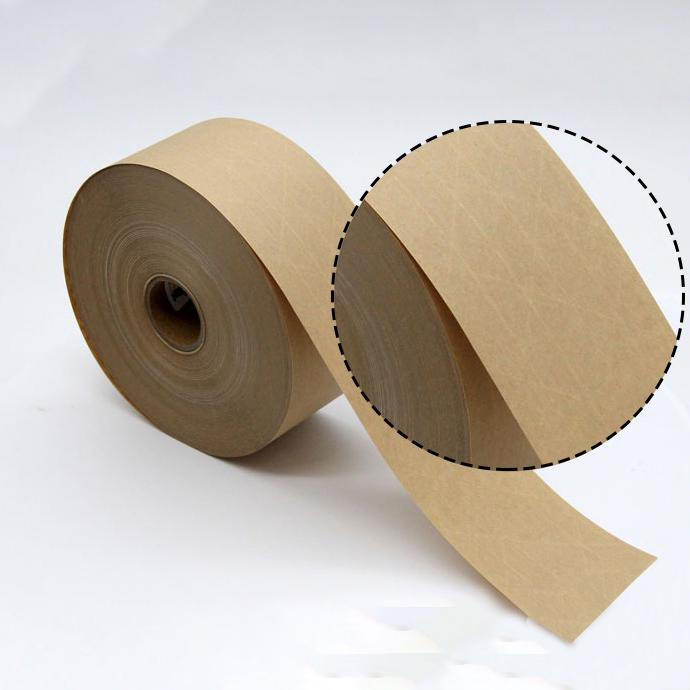
Paper tape may be the best packaging tape
When it comes to sealing cartons, choosing the right tape is essential. The two most commonly used options are acrylic packing tape and water-activated kraft paper tape (also known as WAT, kraft tape, gummed tape, or paper tape). Although both types of tape can effectively seal cartons, water-activated kraft paper tape offers three significant advantages for shipping packages.
1. Enhanced Security
Water-activated kraft paper tape forms a strong bond with the carton surface, providing better adhesion than acrylic tape. Once applied, it is difficult to remove without leaving clear signs of tampering, making it ideal for securing valuable or sensitive shipments.
2. Environmental Benefits
Made from natural kraft paper and a biodegradable adhesive, water-activated paper tape is eco-friendly. It can be fully recycled along with the carton, reducing environmental impact and supporting sustainability goals. In contrast, acrylic tape is made from plastic materials that contribute to waste and pollution.
3. Superior Performance in Various Conditions
Water-activated paper tape performs exceptionally well in a wide range of temperatures and humidity levels. Unlike acrylic tape, which can lose adhesion in extreme conditions, WAT maintains its bond, ensuring that packages stay securely sealed during transit regardless of environmental factors.
Conclusion
While both acrylic packing tape and water-activated kraft paper tape can seal cartons effectively, the latter stands out due to its enhanced security, environmental benefits, and superior performance in diverse conditions. For those looking to improve package integrity, reduce environmental footprint, and ensure reliable performance, water-activated paper tape is the best choice.
Kraft paper tape and fiber-reinforced kraft paper tape are both recyclable! During the recycling process the fiberglass strands are able to be removed from the paper component. Recycling centers have an advanced process to recover the greatest percentage of reusable materials. They are efficiently able to filter out acrylic tape, paper tape, fiberglass strands, shipping labels, staples, stickers and much more that is regularly found on used packages.
While all these additional components found on boxes can be filtered out, only paper based components are recycled. Metals, fiberglass, and acrylic tapes are removed from the process and properly disposed of. Don't fret if you're still using acrylic tapes the boxes are still recyclable, the materials are getting reused, and recycling centers dispose of additional components in a responsible manner.