Your garment accessories supplier decides whether your garments ship on time, pass compliance checks, and meet customer expectations. One weak link—late trims, failing zippers, missing certifications—can stall your entire production run. HOMER delivers certified, quality-tested accessories with dependable lead times. Evaluate every garment accessories supplier with confidence using the factors below.
Key Takeaways
-
Check supplier certifications to ensure your garments meet safety and quality standards.
-
Evaluate production capacity and lead times to keep your orders on schedule.
-
Compare total costs and ethical practices to avoid hidden expenses and protect your brand.
Compliance and Certifications

Why Compliance Matters
Compliance protects your brand from recalls, customs holds, and legal penalties. International buyers now demand proof that accessories meet quality, environmental, and safety standards. HOMER maintains ISO-aligned management systems and holds verified certifications, so your orders clear audits and enter major markets without friction.
Certifications to Look For
ISO certifications give accessories and trims producers clear commercial advantages. ISO 9001 covers quality management and serves as a baseline for export business. ISO 14001 supports environmental compliance for EU-facing orders. ISO 45001 addresses occupational health and safety, and ISO 50001:2018 sets measurable energy-reduction targets. Beyond ISO, check for these scheme-specific credentials:
|
Certification |
What It Verifies |
|---|---|
|
OEKO-TEX Standard 100 |
Every component tested for harmful substances |
|
GRS / RCS |
Recycled content and chain of custody |
|
GOTS / OCS |
Organic fiber content through the supply chain |
|
amfori BSCI / SMETA |
Social and ethical compliance at the production site |
|
WRAP |
Responsible labor and safe working conditions |
HOMER provides OEKO-TEX, GRS, and BSCI documentation with every applicable order.
How to Verify Compliance
Verification takes discipline. Follow these steps before you commit:
-
Review the supplier's audit and verification reports.
-
Request certificate numbers and downloadable copies.
-
Confirm the document title, issuing body, scope, and validity date.
-
Match each certificate to your specific product, material, and destination market.
-
Ask for the latest version before placing an order.
Remember that a social audit evaluates the site, a certificate covers a defined scope, and a test report applies only to the tested sample. Under US law, the CPSIA and FHSA require test reports and compliance certificates for many consumer products, including children's apparel components like snaps and zippers. HOMER supplies current documentation and welcomes third-party inspection.
Production Capacity and Lead Times
Assessing Production Capacity
You need a supplier who can absorb your order volume without stretching thin. Ask each candidate for monthly output figures by product line, current capacity utilization, and the number of active production lines. A supplier running near full capacity leaves no room for your growth or emergencies. Request a factory profile and, where possible, a video walkthrough or site visit. HOMER operates dedicated accessory production lines with documented monthly capacity, so you can confirm available volume before you commit.
Evaluating Lead Times
Lead times decide your production calendar. Request written lead times for sampling, bulk production, and delivery, then compare them against your ship dates. Build in buffer time for customs clearance and inland transport. Ask how the supplier handles peak seasons and holiday shutdowns. A realistic quote beats an optimistic one that slips. HOMER publishes standard lead times by product category and confirms them in writing with every order.
Planning for Scalability
Your supplier should grow with your business. Test scalability with a small trial order first, then increase volume in stages. Ask how quickly the supplier can add capacity for a repeat order or a new style. Confirm that raw material supply supports higher volumes. A supplier with flexible scheduling and backup material sources protects your growth plans. HOMER scales production across repeat programs and welcomes staged volume increases.
Quality Control Standards
Understanding the Supplier's QC Process
A disciplined supplier inspects accessories at every production stage, not just at the end. Ask your candidate to walk you through its full QC workflow. A reliable process follows a clear sequence:
-
Pre-production QC: Inspect materials and samples for colorfastness, texture, durability, and seam defects before cutting begins.
-
During-production QC: Conduct inspections when roughly 15–20% of merchandise is complete, using visual checks, measurement, and destructive testing.
-
Pre-shipment QC: Inspect finished goods once at least 80% of the order is packed, checking visible flaws, labeling, and item counts.
-
Physical accessory tests: Run stretch tests on elastic bands, pull tests on zippers and buttons, and fatigue tests for tear strength.
HOMER applies this staged approach to every order and documents each checkpoint.
Requesting Samples and Test Reports
Always request physical samples before you approve bulk production. Test fasteners through 50 open-close cycles and confirm they still function. Stretch elastic straps and check for exposed fibers or broken stitches. Count stitches per inch on at least two pieces per style, since a higher count generally signals better stitching. Ask for third-party lab reports covering fiber composition, azo dyes, heavy metals, phthalates, and formaldehyde. HOMER supplies samples and current test reports on request.
Spotting Quality Red Flags
Watch for warning signs during evaluation. Suspiciously low pricing raises immediate questions about material and labor savings. Uneven seams, flimsy buttonholes, and poorly finished hems point to rushed production. The table below summarizes the checkpoints worth auditing.
|
Inspection Checkpoint |
Red Flag to Watch For |
Why It Signals Poor Quality |
|---|---|---|
|
Color consistency |
Shade variation against the approved sample |
Color inconsistency counts as a major defect |
|
Functional components |
Zippers that jam, snaps that fail to fasten |
Non-working hardware indicates poor sourcing |
|
Attachment strength |
Small parts detaching under pulling force |
Detaching parts are a safety hazard |
|
Size measurement |
Dimensions outside ±3% tolerance |
Incorrect sizing drives returns |
|
Packaging |
Wrong polybags, missing shipping marks |
Poor packaging risks logistics failures |
Pricing, MOQs, and Negotiation
Comparing Quotes Fairly
You cannot compare quotes until every supplier prices the same specification. Prepare a complete tech pack with flat sketches, a bill of materials, colorway specs, points of measure, and branding details. Send it to at least three suppliers, ideally ten or more, and request MOQ, payment terms, price breakdown, quality checks, shipping terms, and destination countries. Follow up to confirm receipt, then review the responses side by side.
Ranking FOB numbers across factories is one of the least informative comparisons in sourcing, because FOB bundles materials, labor, overhead, and margin—and each factory bundles them differently.
Ask each supplier to itemize tooling and development charges separately. Confirm tooling ownership and repeat-order usability. Compare quotes on the same delivery basis, including packaging, shipping terms, and excluded charges. HOMER issues itemized quotes with locked specifications, so you compare like with like.
Hidden Costs to Watch For
Unit price rarely tells the full story. The table below shows where accessory sourcing budgets leak.
|
Hidden Cost |
How It Inflates Expenses |
|---|---|
|
Quality control failures |
Defective accessories cause delays, rework, or recalls |
|
Supply chain disruptions |
Port congestion and distant sourcing raise risk and buffer stock costs |
|
Minimum order quantities |
MOQs tie up capital in excess inventory |
|
Shipping and duties |
Freight, customs duties, and taxes erode unit-price savings |
|
Sustainability compliance |
Audits, certifications, and eco-materials raise costs |
A Vietnamese factory once quoted a $0.35 per-zipper upcharge for an imported branded pull, versus $0.02 when a Chinese factory sourced it 200 km away. That gap compounds across thousands of units. HOMER quotes landed costs upfront, so no surprise charges appear at shipment.
Minimum Order Quantities and Flexibility
MOQs shape your cash flow and your testing strategy. Request pricing at both initial production and expected repeat volume. Confirm whether minimums apply separately per size, color, or customization. Ask which development costs are one-time versus recurring. HOMER offers flexible MOQs and staged volume increases, so you can test new designs without over-investing in unproven styles.
Ethical and Sustainable Sourcing
Why Ethics Matter to Your Brand
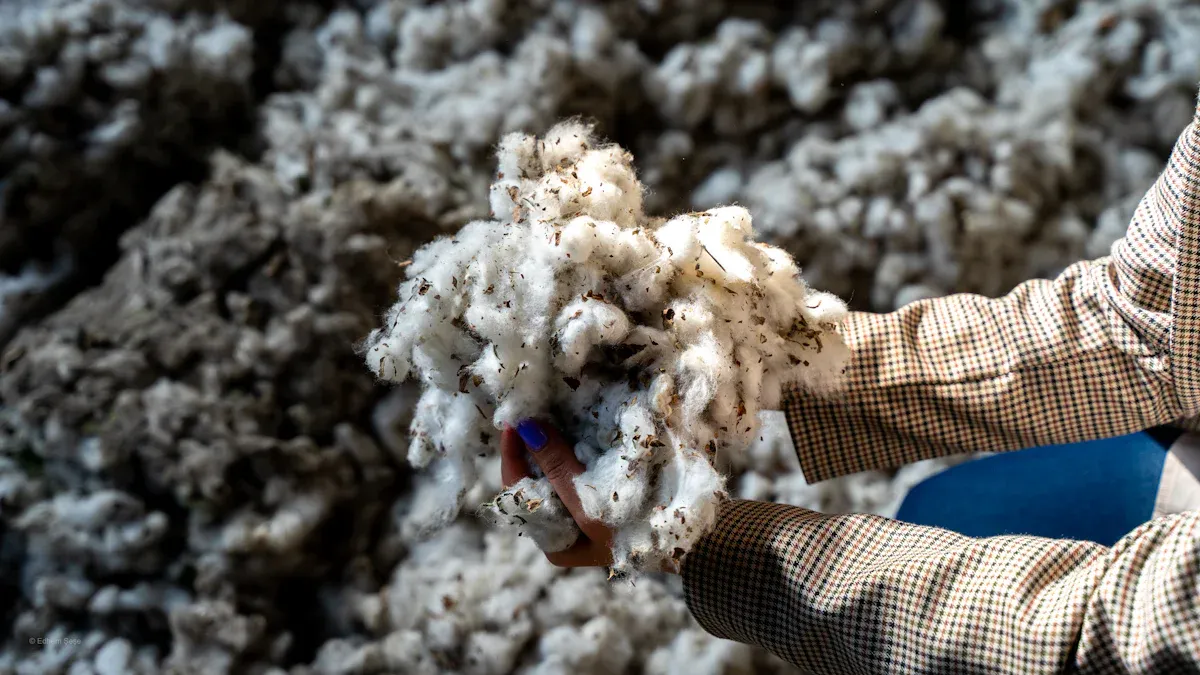
Your customers now ask where their garments come from. They check labels, read brand statements, and reward companies that treat workers and the planet fairly. Ethical sourcing protects your reputation and keeps you compliant with regional sustainability regulations. It also builds loyalty with like-minded buyers. HOMER treats fair labor and environmental protection as core sourcing criteria, not marketing claims.
Evaluating Sustainability Practices
You need proof, not promises. Ethically sourced materials underpin sustainable accessory sourcing. Organic fibers free from harmful pesticides and GMOs reduce farming damage. Recycled fibers lower demand for virgin materials and energy-intensive extraction. Pair these material choices with fair wages and safe factory conditions to promote social justice and prevent exploitation. The table below shows the practices worth auditing.
|
Key Practice |
Concrete Sourcing Actions |
|---|---|
|
Ethical sourcing |
Buy from suppliers committed to fair labor and safe conditions; audit regularly and disclose policies |
|
Supply chain transparency |
Map supplier tiers, set sustainability standards, and use third-party audits |
|
Recycled materials |
Increase recycled polyester and cotton use; partner with reputable mills |
|
Organic textiles |
Source GOTS-certified fabrics and verify supplier certifications |
|
Low-impact manufacturing |
Adopt lean production, renewable energy, and closed-loop systems |
HOMER traces its supply chain and documents recycled and organic content for every applicable order.
Questions to Ask Suppliers
Ask each candidate which sustainability certifications it holds. Look for these credentials:
-
bluesign® — covers the entire supply chain, from raw materials to emissions and worker safety.
-
WRAP — certifies ethical working conditions and environmental protection.
-
OEKO-TEX Standard 100 — confirms textiles contain no harmful substances.
-
GRS/SCOPE — verifies recycled content and responsible chemical use.
-
GOTS — certifies organic fibers and social responsibility across the supply chain.
-
Prop 65 — flags chemicals that require warning labels in California.
For brands sourcing woven labels, care labels, and swing tags together, working with a production network whose sub-contractors hold GOTS, GRS, OEKO-TEX Standard 100, Sedex, and FSC certifications simplifies the process substantially.
HOMER holds OEKO-TEX, GRS, and BSCI credentials and shares current certificates on request.
Reputation and Experience With Your Product Category
Checking References and Track Record
Ask every candidate for references from buyers in your product category. Contact those buyers directly and ask about delivery punctuality, defect rates, and dispute handling. Request a track record of completed orders similar in volume and complexity to yours. HOMER shares client references and order histories on request, so you can verify performance before you commit.
Industry Reputation Signals
Do not rely on a website alone. Verify the factory's compliance credentials through these steps:
-
Demand OEKO-TEX Standard 100 certification for infant clothing, intimates, or premium activewear as proof that materials and dyes are free of harmful substances.
-
Go beyond a standard ISO certificate and confirm the specific certification matches your product risk category.
-
Conduct a live video audit on WhatsApp or WeChat and walk the factory floor. Check temperature-controlled raw material storage, well-maintained machinery, and proper worker safety gear.
Treat Alibaba Gold Supplier ratings as a screening tool only. These ratings reflect trade performance, not product quality. Third-party audit reports from SGS, Bureau Veritas, or QIMA provide the most credible capacity verification. HOMER welcomes live video audits and third-party inspections.
Experience With Similar Products
Deep category experience separates reliable suppliers from risky ones. Look for proven production capability on large-scale OEM and ODM orders for buttons, zippers, and labels. Confirm material expertise in fabric compatibility and finishing techniques. Ask about customization options for branding, packaging, and materials. HOMER brings years of hands-on experience with trims and fasteners across garment categories, and the team documents quality specifications in every purchase order.
Communication and After-Sales Support
Evaluating Responsiveness
Responsiveness reveals how a supplier treats your business after the quote is signed. Judge candidates on how quickly, clearly, and effectively they communicate, resolve issues, and provide operational visibility. Track concrete metrics rather than impressions.
|
Evaluation Metric |
What It Measures |
|---|---|
|
Response times |
How quickly a supplier acknowledges and addresses requests |
|
Issue resolution speeds |
Time from identifying a problem to resolving it |
|
Order cycle times |
Time from placing an order to receiving delivery |
|
Completeness and accuracy |
Quality of information the supplier provides |
|
Forecast accuracy |
Supplier's ability to predict and meet demand |
|
Scalability |
Supplier's ability to adjust production to changing needs |
Fast replies and clear updates signal reliability. HOMER assigns a dedicated account contact to every buyer and answers inquiries within one business day.
Handling Issues and Claims
Strong suppliers own problems instead of deflecting them. Ask each candidate to describe its claims process in writing: who investigates, how fast you receive a response, and whether it covers replacement or credit. Maintain transparent, open dialogue to build trust and mutual respect. Schedule consistent check-ins through video calls, emails, or in-person meetings to discuss progress, address concerns, and share insights. Ongoing interaction keeps both parties aligned on goals and ready to respond quickly to challenges. HOMER documents every claim and closes each one with a written resolution.
Language and Time Zone Considerations
Potential communication barriers due to language and time zone differences.
Test these barriers early. Send a technical question and measure the clarity of the reply. Confirm your supplier has English-speaking staff and overlapping working hours with your team. HOMER maintains English-speaking sales and QC teams with schedules that overlap US and EU business hours, so your questions never wait overnight.
How to Choose a Garment Accessories Supplier for Logistics and Risk Management
Shipping and Delivery Reliability
Your garment accessories supplier must deliver on time, every time. Start by assessing the supplier's shipping infrastructure. Check which carriers it uses, the regions it covers, and its order processing time. Review its on-time delivery record and how it handles returns. Test shipping speed with a small sample order before you commit to large volumes. Define shipping times and delivery frames in your agreement.
Buyers expect fast delivery, with a three-to-five-day delivery window as the bar for US and EU buyers in 2026. Suppliers who keep a warehouse in your target market are your winning hands, since shipping delays from overseas are a main complaint in fashion dropshipping and shipping speed directly influences conversion rate and marketplace search ranking.
Inventory and Backup Planning
Smart inventory planning protects you from accessory shortages. Use a JIT plus JIC hybrid approach. Stock expected materials plus a small safety buffer. This cushion absorbs unexpected demand or supplier disruption without overspending on excess stock. Apply ABC analysis to prioritize which accessory SKUs deserve larger buffer quantities. A-items drive most of your revenue and warrant bigger reserves. Low-value C items may be trimmed.
|
Inventory Planning Method |
How It Helps You Mitigate Accessory Supply Chain Risk |
|---|---|
|
JIT + JIC hybrid |
Stocks expected materials plus a small safety buffer against disruption |
|
Safety Stock |
Determines the right buffer quantity using max/average daily usage and lead times |
|
Reorder Point (ROP) |
Sets the trigger point (daily usage × lead time + safety stock) for reordering |
|
ABC Analysis |
Prioritizes which accessory SKUs deserve larger buffer quantities |
Mitigating Supply Chain Risks
Diversify your supplier base to avoid single points of failure. Secure redundant accessory suppliers in different regions. Onboarding can take weeks to a year, so start early. Build contingency plans for each critical risk. Define stakeholders to alert, alternative transport routes, and financial safeguards. Use scenario planning to model best, worst, and average-case impacts. Stress-test your plans regularly to close gaps before disruption strikes.
Evaluate every garment accessories supplier across compliance, capacity, quality, pricing, ethics, reputation, communication, and logistics. This work protects your product and your brand. Prioritize the factors most critical to your product category and order volume before you sign any agreement. Choose a garment accessories supplier who values transparency and long-term partnership over the lowest quote.
FAQ
How do you verify a garment accessories supplier's certifications?
Request certificate numbers and downloadable copies. Match each document to your product and destination market. Confirm the issuing body and validity date. HOMER shares current certificates on request.
What minimum order quantity should you expect from a garment accessories supplier?
MOQs vary by product and customization level. Ask for pricing at both initial and repeat volumes. Confirm whether minimums apply per color or size. HOMER offers flexible MOQs for new designs.
How do you reduce supply chain risk when sourcing garment accessories?
Diversify your supplier base across regions. Build a small safety buffer for critical SKUs. Define contingency plans for transport and production disruptions. HOMER supports backup planning with documented capacity.