Clear plastic packaging is widely used across retail, food, cosmetics, stationery, gifts, and consumer goods. From transparent cosmetic boxes and bakery packaging to stationery display cases and gift boxes, clear packaging allows customers to see the product before making a purchase. For brands and packaging buyers, however, choosing the right material involves more than appearance. Transparency, folding performance, thickness, printing quality, durability, and overall packaging cost all need to be considered.
So, what plastic is best for clear packaging boxes? The most commonly selected materials are PET, PVC, and PP. Each offers different advantages for custom packaging applications. As a manufacturer specializing in custom plastic packaging, Jiangxin Packaging provides transparent plastic packaging solutions using PET, APET, RPET, PVC, and PP materials, helping businesses match packaging structures and materials to their products.
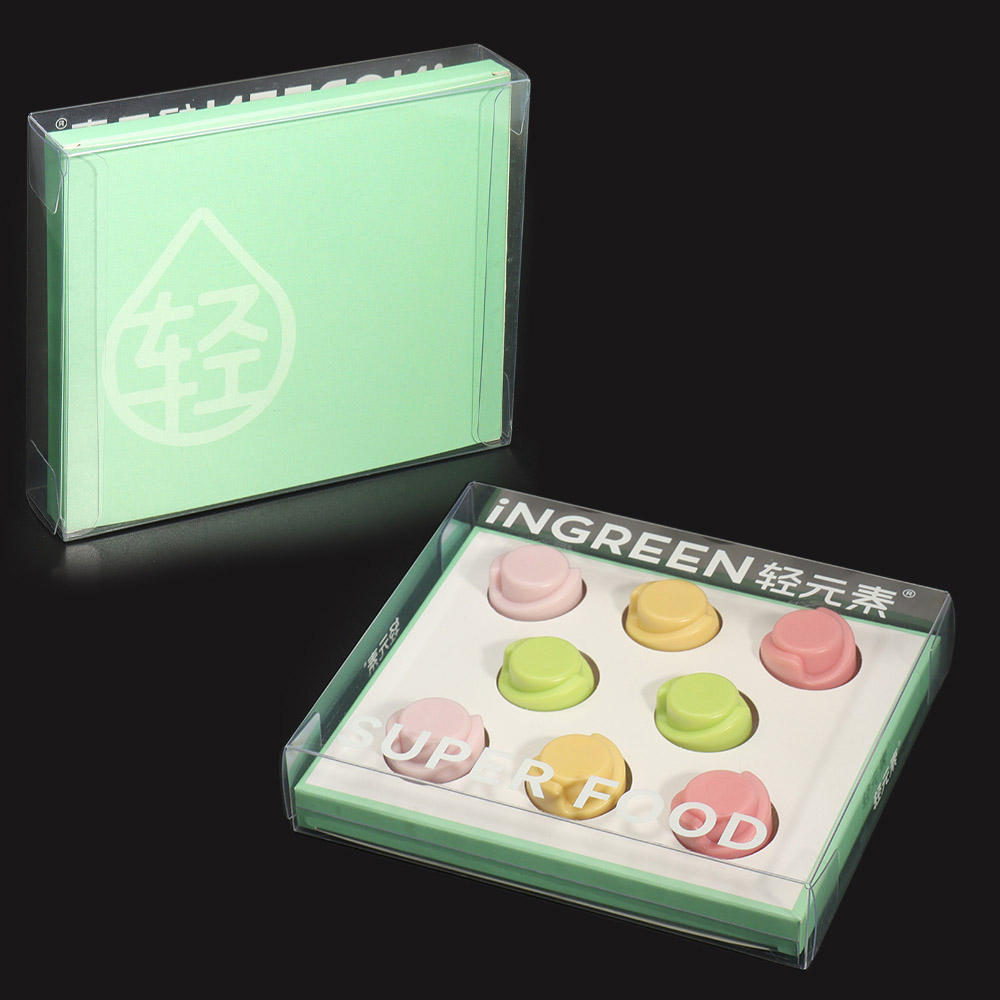
Transparent plastic packaging boxes with customized printing for retail product presentation.
What Are the Main Types of Clear Plastic Packaging Materials?
Clear plastic packaging is generally manufactured using several types of thermoplastic materials. PET, PVC, and PP are among the most common choices for transparent folding boxes and retail packaging. Their differences in clarity, stiffness, flexibility, and processing performance determine which applications they are best suited for.
For packaging buyers, understanding these differences makes it easier to select a material that protects the product while presenting it attractively on store shelves.
PET Plastic: A Preferred Choice for Crystal-Clear Packaging
PET, or polyethylene terephthalate, is widely used in transparent retail packaging because of its excellent optical clarity and good mechanical strength. It allows consumers to see the product's color, shape, and surface details without opening the box.
PET plastic is particularly suitable for packaging applications where product visibility and presentation are important, including:
- Cosmetic and skincare product packaging
- Stationery and pen display boxes
- Small electronics and accessory packaging
- Gift boxes and promotional packaging
- Selected food packaging applications using suitable food-contact-grade materials
Another advantage of PET is its compatibility with various packaging structures and printing designs. Brands can combine transparent panels with customized graphics, logos, product information, and decorative finishes to create a more recognizable retail appearance.
For businesses looking for clear PET packaging with customized dimensions and printing, custom PET transparent packaging boxes provide a practical example of how product visibility and brand presentation can work together.
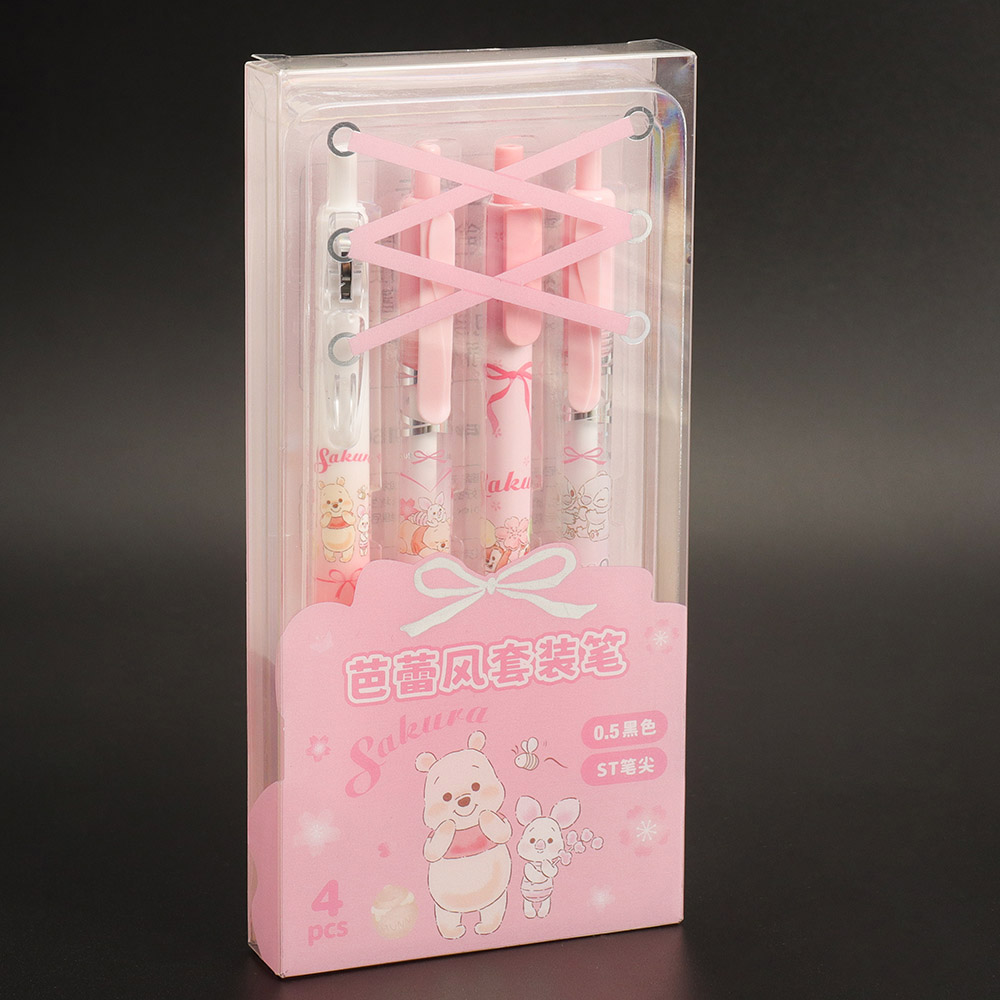
Custom clear plastic packaging for stationery products with printed graphic elements.
For buyers interested in more sustainable material options, APET and RPET are also worth considering. APET is commonly used for transparent packaging applications, while RPET is manufactured using recycled PET feedstock. The actual recycled content, material specifications, and suitability for the intended application should be confirmed with the packaging manufacturer.
PVC Plastic: Flexible Processing and Versatile Packaging Designs
PVC, or polyvinyl chloride, is another widely used material for clear plastic packaging boxes. It offers good processability and can be produced in different thicknesses to meet the structural requirements of various packaging designs.
Depending on the formulation and processing method, PVC sheets can provide a useful balance of transparency, stiffness, and folding performance. This makes PVC suitable for applications such as:
- Transparent gift boxes
- Cosmetic outer packaging
- Retail display packaging
- Consumer product packaging
- Packaging that requires customized folding structures
One important consideration is that PVC is not interchangeable with PET or PP in every application. Buyers should evaluate the intended product, local packaging regulations, recycling requirements, and any food-contact requirements before selecting PVC.
For brands that need packaging with a transparent appearance and customized folding structures, Jiangxin's folding plastic box packaging category offers different PVC, PET, and PP packaging options.
PP Plastic: Lightweight and Durable Packaging Solutions
PP, or polypropylene, is known for its toughness, flexibility, and resistance to many common chemicals. Compared with PET, standard PP packaging generally has a softer or less glass-like appearance, although transparency varies according to the PP grade and processing technology.
PP is often considered for packaging that needs to withstand repeated handling or requires a degree of flexibility. Common applications include:
- Reusable or flexible packaging structures
- Selected food containers and lids
- Retail packaging for everyday consumer goods
- Customized plastic boxes requiring specific material flexibility
PP can also be used in custom packaging designs where material toughness and functional performance are more important than maximum optical clarity. For this reason, the best choice depends on whether the packaging priority is product visibility, structural performance, or a combination of both.
When selecting PP for packaging, buyers should also confirm the material grade, transparency requirements, printing compatibility, and whether the finished product is intended for food contact or repeated use.
PET vs. PVC vs. PP: Which Material Should You Choose?
There is no single plastic material that works best for every packaging project. The right choice depends on the product's weight, dimensions, display requirements, expected handling conditions, printing design, and budget.
The following comparison provides a practical starting point for packaging buyers evaluating different transparent plastic materials.
| Material | Main Advantages | Common Applications | Selection Considerations |
|---|---|---|---|
| PET | High transparency, good stiffness, attractive product display | Cosmetics, stationery, gifts, retail packaging | Check thickness, scratch resistance, and printing requirements |
| PVC | Good processability, customizable stiffness and folding structures | Gift boxes, cosmetic boxes, display packaging | Consider local regulations, material specifications, and recycling options |
| PP | Toughness, flexibility, and chemical resistance | Selected food containers, lids, and consumer packaging | Check clarity, rigidity, and printing compatibility |
| RPET | Uses recycled PET feedstock and supports recycled-material packaging strategies | Selected transparent retail and gift packaging | Confirm recycled content, clarity, and application requirements |
For brands prioritizing a clear product display, PET is often a strong starting point. PVC may be suitable when a particular folding structure or processing requirement is important. PP is worth considering when toughness and flexibility are higher priorities. RPET can be evaluated when recycled material content is part of the brand's packaging strategy.
The final material recommendation should always be based on a sample evaluation rather than appearance alone.
How Does Plastic Thickness Affect Packaging Quality?
Material thickness is one of the most important factors affecting the performance of a transparent plastic packaging box. It influences rigidity, folding behavior, resistance to deformation, and the overall appearance of the finished package.
In custom packaging production, PVC and PET sheets may commonly be selected within a thickness range of approximately 0.10 mm to 0.55 mm, while certain PP packaging applications may require thicker sheets. These are reference ranges rather than universal specifications. The appropriate thickness depends on the material grade, box dimensions, structure, and product weight.
Choosing a thicker sheet does not automatically produce better packaging. Excessive thickness may make a folding box difficult to assemble, increase material consumption, and create an unnecessarily rigid appearance. On the other hand, a sheet that is too thin may cause the box to lose its shape or become easily deformed during transportation and handling.
Before confirming a packaging specification, buyers should consider:
- Product weight: Heavier products may require greater structural support.
- Box dimensions: Larger packaging surfaces may need additional rigidity.
- Folding structure: Creasing and folding lines must match the material thickness.
- Display requirements: The box should maintain an attractive shape on retail shelves.
- Transportation conditions: Packaging must withstand stacking, handling, and shipping conditions.
A professional packaging manufacturer can recommend a suitable thickness after reviewing the product dimensions, weight, and structural design.
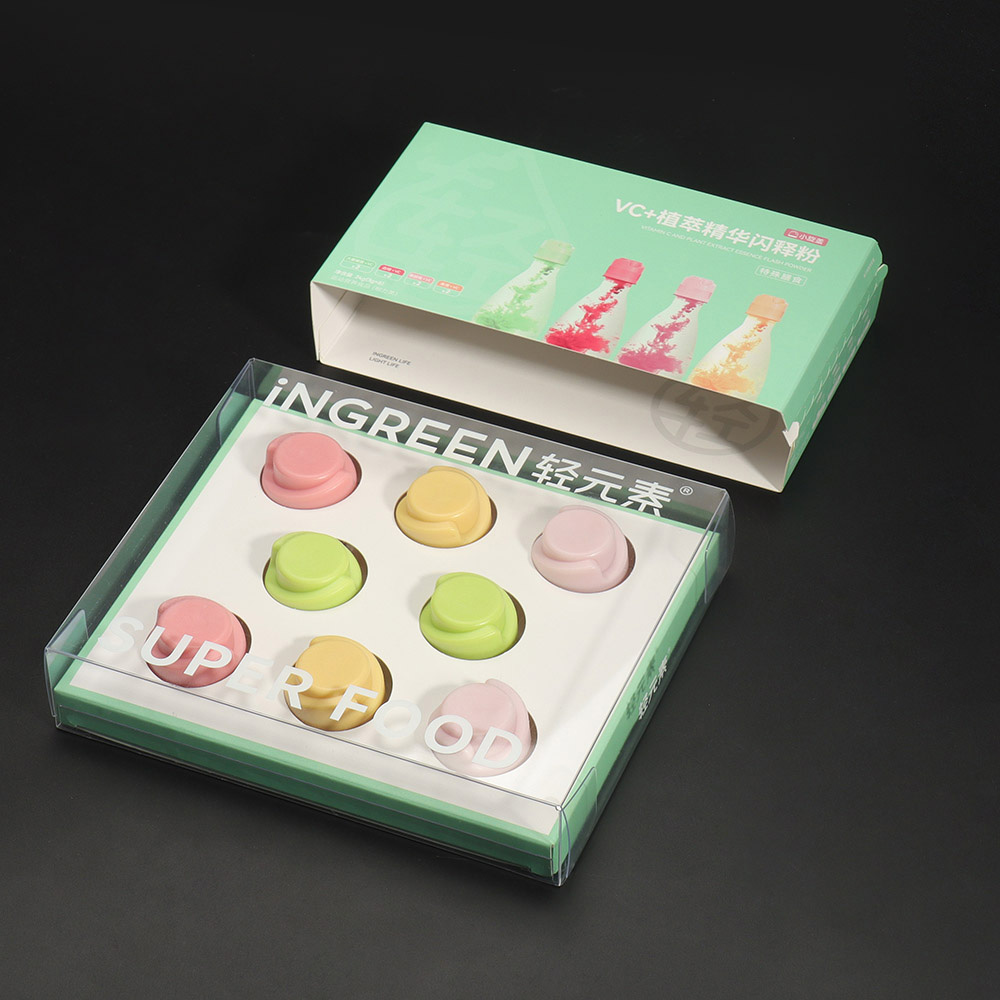
Transparent plastic packaging combined with printed paper components for a customized retail presentation.
What Affects Printing Quality on Clear Plastic Packaging?
For customized transparent packaging, printing quality is just as important as material selection. A clear plastic box may have an attractive structure, but poor ink adhesion, inaccurate colors, or uneven printing can reduce its overall presentation quality.
Several factors influence the final printing result:
Material surface properties: Different plastics have different surface characteristics. PET, PVC, and PP may require different ink systems or surface treatments to achieve reliable ink adhesion.
Surface treatment: Corona treatment or other suitable pretreatment methods may be needed, particularly for materials with lower surface energy. Proper preparation helps improve printing adhesion.
Ink compatibility: The printing ink must be compatible with the selected plastic material and the intended printing process. A suitable combination helps reduce problems such as ink peeling, smudging, and poor color reproduction.
Printing equipment and color control: Printing accuracy, ink application, and process control all affect the consistency of logos, patterns, and product information. Jiangxin Packaging has invested in an eight-color printing machine to support customized packaging designs and printing requirements.
For brands seeking more distinctive packaging, available finishing options may include hot stamping, silver stamping, embossing, and customized printed patterns. The appropriate process depends on the material, design artwork, and desired visual effect.
When developing a new design, it is advisable to confirm the artwork, color requirements, material sample, and printing effect before proceeding with mass production.
How to Choose the Right Clear Plastic Packaging for Your Product
Choosing packaging material should begin with the product itself, not simply with the lowest material price. A well-designed package needs to fit the product, protect it during handling, and communicate the brand's value at the point of sale.
For example, cosmetic brands may prioritize transparency and premium printing, while stationery suppliers may need a compact folding box that displays the product clearly. Food packaging projects require additional attention to food-contact compliance and applicable safety standards.
Use the following checklist when discussing a custom packaging project with a supplier:
- Product dimensions: Provide accurate length, width, and height measurements.
- Product weight: Explain how much weight the packaging needs to support.
- Material preference: Indicate whether PET, APET, RPET, PVC, or PP is preferred.
- Transparency: Specify whether you need crystal-clear, translucent, or colored packaging.
- Thickness: Ask the manufacturer to recommend a suitable sheet thickness.
- Printing requirements: Provide your logo, artwork, color references, and finishing preferences.
- Packaging structure: Choose between folding boxes, cylinder packaging, blister packaging, or other suitable designs.
- Order quantity: Confirm the expected order volume and sample requirements.
Jiangxin Packaging offers several packaging categories for different product applications. Businesses looking for transparent retail boxes can review the custom folding plastic box solutions. Products requiring a rounded display structure can be matched with plastic cylinder packaging, while products needing a fitted internal structure may benefit from customized blister packaging.
Why Work with Jiangxin Packaging for Custom Plastic Boxes?
Choosing a reliable manufacturer is essential when developing custom transparent plastic packaging. Beyond the raw material itself, buyers need a supplier that understands structural design, printing requirements, production consistency, and order delivery.
Jiang Xin Packaging Products Co., Ltd. was established in 2009 and is based in Xiamen, China. The company specializes in plastic packaging boxes, cylinder packaging, and blister packaging, providing customized packaging solutions for different industries.
Its manufacturing capabilities and services include:
- Multiple material options: PET, APET, RPET, PVC, and PP for different packaging requirements.
- Customized packaging structures: Different dimensions, shapes, folding designs, and packaging configurations.
- Printing capabilities: Eight-color printing and customized visual designs.
- Additional finishing: Hot stamping, silver stamping, embossing, and other decorative processes.
- Packaging development: Design coordination, sampling, and production support.
- Manufacturing experience: Experience serving customers in different product and packaging industries.
Whether you need transparent PET cosmetic boxes, customized PVC gift packaging, PP plastic boxes, or branded retail display packaging, selecting the right combination of material, structure, and printing process is essential to achieving a consistent result.
If you are developing a new packaging project, you can contact Jiangxin Packaging for a customized packaging consultation. Providing product dimensions, reference images, estimated quantities, and printing requirements will help the team evaluate a suitable solution.
Frequently Asked Questions About Clear Plastic Packaging Materials
Which plastic is best for clear packaging boxes?
PET is often preferred when high transparency and attractive product display are the main priorities. PVC offers versatile processing and folding options, while PP is suitable for applications requiring toughness and flexibility. The best choice depends on the product and packaging requirements.
What is the difference between PET and PVC plastic boxes?
PET generally provides excellent optical clarity and good stiffness, making it suitable for premium retail display packaging. PVC offers good processability and can be customized for different folding structures. Both materials can be used for transparent packaging, but their processing and application requirements differ.
Is PP suitable for transparent plastic packaging?
Yes. PP can be used for transparent or translucent packaging, depending on the resin grade and manufacturing process. However, standard PP usually does not provide the same glass-like clarity as PET.
What thickness is recommended for PET or PVC packaging boxes?
There is no universal thickness for every box. Approximately 0.10 mm to 0.55 mm may be used for different PET and PVC packaging applications, but the final specification should be determined by box dimensions, product weight, folding structure, and required rigidity.
Can transparent plastic boxes be custom printed?
Yes. Transparent plastic boxes can incorporate customized logos, brand graphics, product information, and decorative finishes. The printing method and ink system should be selected according to the plastic material and surface properties.
Can PET plastic packaging use recycled materials?
Yes. RPET is produced using recycled PET feedstock and can be considered for suitable packaging applications. Buyers should confirm the recycled content, material quality, transparency, and applicable food-contact requirements before ordering.
What information should I provide when requesting a custom plastic box quotation?
Provide product dimensions, product weight, preferred material, required thickness, packaging structure, printing artwork, estimated order quantity, and any special application requirements. These details help the manufacturer assess the design and quotation more accurately.